
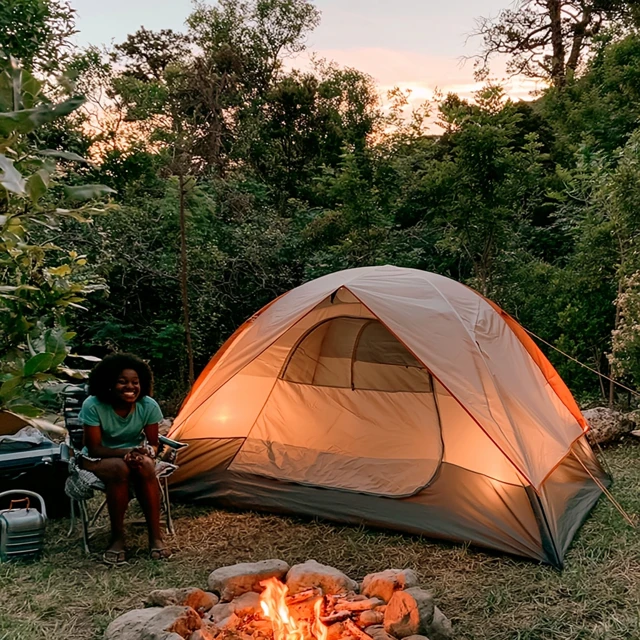
The first time I took kids tent camping, I learned one truth fast: a bored child is a miserable camper. But the right setup—and a few deliberate choices—can turn that tent into a hub of wonder. Let me walk you through the techniques that work, from pitching to packing up, with an emphasis on keeping little hands busy and little minds safe.

Involve Kids in the Tent Setup (Without Losing Your Mind)
Kids want to help, but they can also trip over lines or lose stakes. The trick is to give them real, contained tasks. I hand each child a specific job: one sorts the tent stakes by color (most modern stakes come in bright hues), another lays out the tent body on the ground, and a third holds the flashlight if it’s late afternoon. For the rainfly, I teach them to stand inside the tent and hand me the corners through the mesh—this keeps them dry and out of the wind.
Common mistake: letting kids pull on the tent fabric to “help” stretch it. This can tear the seams. Instead, show them how to slide the pole sections together gently. For children under six, let them push the pole tips into the grommets while you hold the pole arc—they feel involved without risking damage.
Setting Up in Wind or Rain
Wind is the real enemy when kids are helping. If gusts pick up, have everyone crouch low and hand me the stakes one at a time. I always stake the windward side first—the side the wind hits—using a 45-degree angle into the ground. For rain, I set up the rainfly before the tent is fully staked. Kids can hold the fly corners while I clip it, keeping the interior dry. The one thing I never let them do: stand near the pole tips when I’m raising the tent. A sudden gust can snap a pole, and those fiberglass splinters are sharp.
Gear That Makes Kids Want to Be Inside the Tent
The tent itself is just a shell. What makes it home is what’s inside. I use a foam mat or a cheap indoor-outdoor rug on the tent floor—it cuts the cold and damp, and gives kids a defined space for their toys. For sleeping, I skip the bulky air mattress for kids under eight; they roll off. Instead, I use a self-inflating sleeping pad (2 inches thick is enough) and a fitted sheet over it. The sheet stays put, unlike a sleeping bag that twists around their legs.
Lighting matters more than you think. A single lantern hanging from the tent peak creates harsh shadows. I string a set of LED fairy lights along the tent’s ridge line—they run on two AA batteries for 50 hours. Kids can see their books, and the warm glow calms bedtime jitters. For night trips to the bathroom, I give each child a headlamp with a red-light mode. Red light preserves their night vision and doesn’t blind the rest of us.
The One-Handed Snack Station
Here’s a trick I haven’t seen on other sites: I hang a small mesh organizer (the kind meant for shoes) from a tent loop near the door. Each pocket holds a different snack: granola bars, fruit pouches, crackers. Kids can grab what they want without digging through a backpack and spilling everything. It also keeps food off the floor, which matters for wildlife safety. At night, I move the organizer into the car or a bear-proof canister—never leave food in the tent, even sealed.
Activities That Work Inside the Tent (When Weather Hits)
Rain will come. When it does, you need a plan. I pack a small zippered pouch with three items: a deck of cards (Uno or Go Fish), a pack of crayons, and a roll of paper. The paper doubles as a tablecloth for meals and a canvas for drawing. For a twist, I play “tent bingo”—I draw a grid on the paper and list things like “a spider web” or “a red leaf.” Kids look through the tent mesh to find them. It buys you 20 minutes of quiet.
Another idea: shadow puppets with a headlamp. Shine the light on the tent wall, and kids can make animals with their hands. The tent fabric makes a perfect screen. For older kids, I bring a small book of constellations and a red-light flashlight. They lie on their backs and try to spot the Big Dipper through the mesh roof.
Safety Around the Tent
Kids move fast. I set up a simple boundary: a rope tied between two trees at waist height, with a small flag or ribbon every few feet. This marks the “camp zone.” No one crosses without an adult. Inside the tent, I keep all stove fuel and sharp tools in a locked bin outside. For the campfire, I teach the “circle of safety”—kids stay behind a ring of rocks, never closer than three feet. And I always have a bucket of water and a shovel next to the fire, not inside the tent.
What to Do If a Tent Gets Wet Inside
Condensation happens, especially with kids breathing all night. I keep a small microfiber towel clipped to the tent loop. In the morning, I wipe down the inner walls before packing. If the floor gets damp, I lay a groundsheet under the tent (cut 2 inches smaller than the tent footprint so water doesn’t pool on top). Never pack a wet tent—spread it out at home to dry, or it will mildew and the seams will delaminate.
Takeaway
Camping with kids isn’t about perfect gear or elaborate plans. It’s about giving them small, real roles and a cozy space that feels like theirs. The tent becomes a shell for memories—not just a place to sleep. Set it up together, keep it dry, and let the fairy lights do their magic. That’s the method that works every time.
Frequently Asked Questions
How do I keep my kids entertained while setting up the tent?
Give them small jobs like sorting stakes by color or laying out sleeping bags. For younger kids, set up a ‘camping base’ with a blanket and toys nearby so they feel included but stay out of the way.
What size tent is best for camping with children?
A tent that sleeps two more than your family size works well—for a family of four, look for a 6-person tent. This gives room for gear and a bit of space to move around when weather forces everyone inside.
How can I make the tent feel cozy for kids at night?
Use a string of battery-operated fairy lights inside, place a soft rug or foam mat on the floor, and let each child have their own small flashlight or headlamp. A familiar stuffed animal or blanket from home also helps.