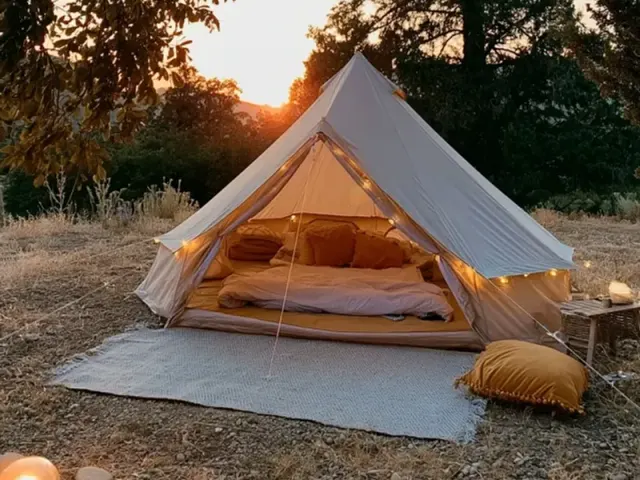
Tent Living Aesthetic: Cozy Setup Tips for Real Campers
There’s a quiet magic to stepping into a tent that feels like a room you actually want to be in. Not just a place to sleep, but a space that welcomes you after a day on the trail. The tent living aesthetic is about that feeling — comfort, order, and warmth. It’s not about decorating for show. It’s about making your temporary home work for you, in real weather, with real gear.

Start With the Floor: Your Foundation
The first step to a comfortable tent is what you put under you. I always use a tent footprint cut to match the exact floor size — trim it so it doesn’t extend past the tent edges. If it sticks out, rain runs under it and pools between the footprint and the tent floor. That’s a fast track to a damp sleeping bag.
On top of the footprint, I lay a closed-cell foam pad. It’s not just for insulation — it evens out small rocks and roots. Then I add an inflatable sleeping pad. For a truly cozy setup, I top that with a fleece blanket or a lightweight sleeping bag liner. It adds softness and wicks moisture away from the pad. The result feels more like a bed than a camp mat.
Lighting Sets the Mood and the Function
Lighting is the quickest way to change how a tent feels. I use two layers. First, a string of battery-operated LED fairy lights with warm bulbs, hung along the ridgeline. They give a soft glow that doesn’t blind you when you wake at 3 a.m. to use the bathroom. Second, a single dimmable lantern placed on a stuff sack near the door. I use a lantern with a warm light setting — cool white feels like a hospital.
Safety note: Never use any fuel-burning lantern inside a tent. Carbon monoxide is invisible and deadly. Stick to LEDs or battery-powered options. Also, keep lights at least six inches from the tent fabric to prevent heat damage — even LEDs can get warm if left on for hours.
Gear Organization: Less Clutter, More Calm
A messy tent feels chaotic. I use mesh pockets that clip to the tent poles — the kind sold for gear storage. I store my headlamp, phone, and a water bottle in the pocket near my head. The rest of my clothes go into a single stuff sack that doubles as a pillow. Shoes stay in a dry bag just inside the vestibule. This keeps dirt and dew out of the sleeping area.
For camping with kids, I give each person a color-coded stuff sack for their small items. It reduces the “where’s my headlamp?” scramble at sunset. And it teaches them to keep their space tidy, which makes the whole tent feel more restful.
Texture and Warmth Without the Weight
Softness matters. I bring a small fleece throw — about 50 by 60 inches — that I spread over my sleeping bag. It adds warmth without bulk and makes the tent feel less like a nylon tube. On cold nights, I wear a beanie and wool socks to sleep. That lets me use a lighter sleeping bag, which saves pack space.
A thin camp rug or a set of interlocking foam tiles (like those used for gym floors) under the sleeping area adds insulation and a clean surface to sit on. I cut foam tiles to fit the tent floor. They’re easy to clean and dry fast if they get damp. Avoid thick rugs — they trap moisture and mold.
Weather Adaptations: Keeping the Aesthetic Intact
Rain changes everything. I always pitch my tent with the door facing away from the prevailing wind. That keeps rain from blowing in when I open the zipper. Inside, I keep a small microfiber towel in a mesh pocket to wipe condensation off the walls before it drips onto my gear. A battery-powered fan clipped to the tent ceiling moves air and prevents that clammy feeling.
In hot weather, I leave the rainfly off if there’s no rain forecast. That lets in the breeze and the stars. I use a mesh inner tent only, which keeps bugs out. On warm nights, I sleep on top of my sleeping bag with just the fleece throw. The tent living aesthetic adapts — it’s not a fixed look, but a response to conditions.
The One Trick That Changed Everything
Here’s the tip I haven’t seen elsewhere: use a small, lightweight fabric cube (like a collapsible storage cube from a home organizer) to hold your kitchen gear. Instead of digging through a jumbled bag, I keep my stove, fuel canister, mug, and spork in a cube that sits in the tent vestibule. It slides out easily, stays upright, and keeps everything dry. I line the bottom with a small piece of foam to cushion the stove. This cube weighs almost nothing and costs under ten dollars. It transformed my setup from a mess of loose items into a functional kitchen that packs flat.
Takeaway
The tent living aesthetic isn’t about buying special gear. It’s about thoughtful layering — of light, texture, and organization. Start with a solid floor, add warm lighting, keep gear in its place, and adapt to the weather. Your tent becomes a space you look forward to returning to. And that makes the whole camping experience better.
Frequently Asked Questions
What is tent living aesthetic?
Tent living aesthetic means making your tent feel like a cozy, intentional space. It’s about layering lighting, using soft textures, and organizing gear so the tent feels like a retreat, not just a shelter.
How do I make my tent look cozy?
Start with a good tent footprint and a thick sleeping pad. Add a small rug or foam tiles for warmth underfoot. Use warm-toned string lights or a dimmable lantern. Keep gear organized in mesh pockets or stuff sacks to reduce visual clutter.
What lighting is safe for tent living?
Use LED string lights, battery-powered lanterns, or headlamps with a dimmer. Never use propane or gas lanterns inside a tent due to carbon monoxide risk. Keep lights away from fabric to prevent melting or fire.
Can I use a rug in my tent?
Yes, a lightweight camp rug or a small indoor-outdoor rug adds comfort and warmth. Choose one that’s easy to shake out and dries quickly. Avoid thick rugs that trap moisture underneath.