
The first time I tried to film a tent camping aesthetic video, I ended up with twenty minutes of shaky footage, a washed-out sky, and the sound of my own breathing. It looked nothing like the warm, dreamy clips I admired online. So I went back to basics, experimenting with light, sound, and composition until I found a method that captures the real feel of camping—not just the look. Here’s what I learned.

Start with the Right Light, Not the Right Gear
You don’t need a fancy camera. A smartphone from the last few years can produce beautiful footage if you work with natural light. The golden hour—about thirty minutes after sunrise and before sunset—gives you soft, warm tones that make any tent look inviting. I set up my camera facing east in the morning, or west in the evening, so the light hits the tent fabric from the side, not straight on. That creates gentle shadows and texture on the nylon.
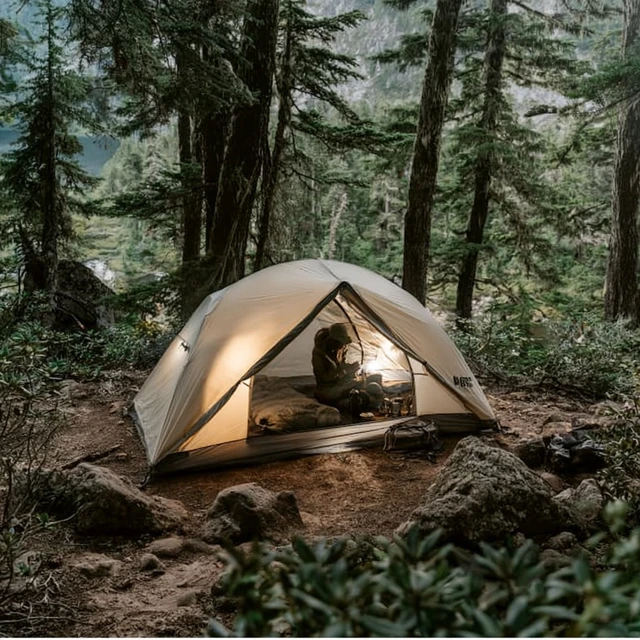
For interior shots, avoid the overhead tent light. It flattens everything and casts harsh shadows under your eyes. Instead, place a single lantern or a string of fairy lights behind the subject, just out of frame. This backlighting makes the tent glow without blowing out the exposure. If you film at night, use a headlamp set to a red light mode—it gives a warm, soft illumination that doesn’t attract bugs or ruin night vision.
Capture Sound First, Picture Second
The most overlooked element in a tent camping aesthetic video is audio. A video of a tent in the rain falls flat without the sound of droplets hitting the fly. Before you start filming, record a minute of ambient noise: wind through pine needles, a distant bird call, the crackle of a campfire. I use my phone’s voice memo app and hold it still for thirty seconds. Later, I layer this under my video in editing, turning down the volume so it sits just below the main audio.
For close-up shots of tent setup—pulling a zipper, hammering a stake—I get in close with the phone’s mic, but I shield it from wind with my hand or a small foam cover. Wind noise ruins more camping videos than bad lighting. If it’s breezy, I wait for a lull or film from inside the tent looking out, where the fabric buffers the sound.
Composition: Less Is More
When I film a tent setup, I resist the urge to show the whole campsite. Instead, I pick three or four specific moments: the first stake going into the ground, the poles arching into place, the rainfly being pulled taut. Each shot lasts about ten seconds. I frame them tight—just hands and gear, no sky or ground clutter. This keeps the viewer focused on the process, not the mess.
For the final aesthetic shot, I step back and include the tent in its environment. I place the tent off-center, following the rule of thirds, with a tree or a rock formation balancing the frame. I leave a little empty space in the foreground—a patch of grass or pine needles—to give the eye a place to rest. This creates a calm, intentional composition that feels more like a painting than a snapshot.
Movement That Tells a Story
A static tripod shot of a tent is boring. I add slow, controlled movements: a gentle pan across the tent interior from left to right, or a tilt down from the treetops to the tent roof. I use a small tripod with a fluid head for smooth pans, or I brace my phone against a log and slide it slowly. The key is to move at a consistent speed—too fast feels jarring, too slow loses interest.
For action shots, like zipping the tent door or lighting a lantern, I hold the camera still and let the movement happen within the frame. I never zoom in or out while recording; digital zoom on a phone looks terrible. Instead, I physically move the camera closer or farther before hitting record.
Editing for Atmosphere, Not Filters
I edit on a free app, keeping changes minimal. I adjust the exposure slightly if the shot is too dark, and I warm up the color temperature to match the golden hour feel. I avoid heavy filters that turn the grass neon green or the sky purple. The goal is to enhance what’s already there, not to invent a fantasy campsite.
I cut out any dead air or awkward pauses, but I leave in natural sounds like a breath or a footstep. These small imperfections make the video feel real. I add a single piece of instrumental music—low, without lyrics—under the ambient track, keeping the volume low enough that I can still hear the wind and the zipper.
Safety Note for Filming at Night
If you’re filming after dark, be extra careful with open flames. Never place a lantern or candle directly on the tent floor; use a stable surface or a hanging loop. Keep all light sources away from sleeping bags and dry leaves. And always check local fire regulations before using any flame in or near your tent.
The Takeaway
A tent camping aesthetic video doesn’t need expensive gear or elaborate setups. It needs good light, clean audio, and a quiet eye for composition. Focus on the small moments—the stake going in, the light glowing through the fabric, the sound of rain on the fly. Those are the details that make a viewer feel like they’re right there with you, inside the tent, listening to the night.
Frequently Asked Questions
What equipment do I need to start filming tent camping aesthetic videos?
You don’t need expensive gear. A modern smartphone with a good camera, a small tripod or a sturdy rock to prop it on, and a portable power bank are enough. For better audio, a simple lavalier microphone or even the phone’s built-in mic works if you avoid wind noise.
How do I get good lighting inside the tent for video?
Use natural light during golden hour—just after sunrise or before sunset. Inside, place a lantern or string lights behind the camera, not directly in the frame. Avoid overhead tent lights that cast harsh shadows. For night shots, use a headlamp with a red light mode for a warm, soft glow.
What’s the best way to capture tent setup on video without it being boring?
Focus on close-ups of hands doing the work—pulling a stake, threading a pole, tying a guyline. Use time-lapse for the full setup, but mix in real-time clips of key moments. Add natural sounds like the rainfly rustling or the zipper closing.
How can I make my camping video feel more atmospheric?
Record ambient sounds separately: wind in trees, a crackling campfire, rain on the tent. Layer these under your video in editing. Slow down some clips, especially of the tent interior at night with lights on. Avoid loud background music; let nature be the soundtrack.
What common mistakes ruin a tent camping aesthetic video?
Over-editing with too many transitions or filters. Also, filming in harsh midday sunlight that washes out colors. Another mistake is forgetting to clean up clutter—ropes, bags, loose gear—that distracts from the cozy feel. Finally, shaky handheld footage without stabilization.