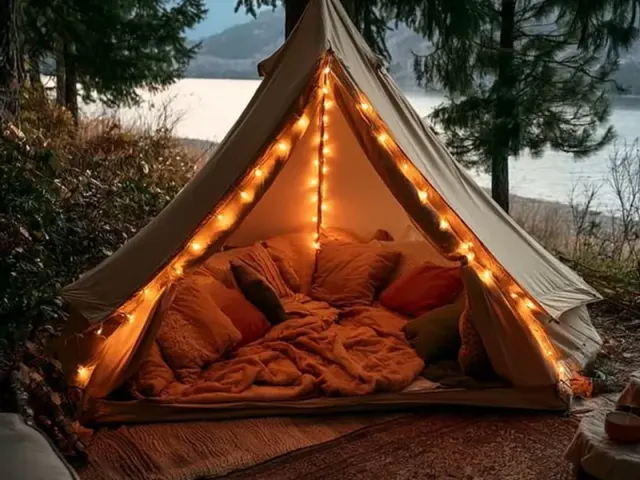
How to Create a Cozy Tent Living Room Setup
The first time I set up a tent just for sleeping, I spent the rest of the trip hunched over on my sleeping bag, eating trail mix off a stuff sack. That was the moment I realized: a tent is not just a bedroom. It can be a living room, too.

Creating a dedicated tent living room transforms a cramped shelter into a space where you can actually relax—read a book, play cards, or just sit out a rain shower without feeling like you're in a closet. Here’s how to build one that works, no matter the weather or terrain.
Choose the Right Tent Size and Layout
The biggest mistake is buying a tent that's only big enough for sleeping. For a living room, you need extra floor space. A 6-person tent comfortably fits two people with a seating area. A 4-person tent works for one person who wants a small living nook.
Look for a tent with near-vertical walls. Dome tents waste space with sloping sides. Cabin-style or tunnel tents give you more usable headroom and floor area. If you already have a dome tent, position your living area in the center where the ceiling is highest.
Set up the tent with the door facing your planned seating view—maybe toward a lake or away from the prevailing wind. Stake the corners first, then adjust the fly for maximum coverage. A taut fly reduces flapping and keeps rain from pooling.
Layer the Floor for Comfort and Dryness
A bare tent floor is cold, damp, and noisy. Start with a groundsheet or footprint under the tent. Inside, lay down a waterproof tarp first, then a camp rug on top. A 6x9-foot rug fits most 6-person tents. Choose a rug that's machine-washable and quick-drying—wool blends work well but are heavy. Avoid thick shag rugs; they trap moisture and sand.
If you're camping on wet ground, add a second tarp under the rug inside. This creates a moisture barrier that keeps the living area dry even if the tent floor gets damp. In hot weather, skip the tarp and use a cotton rug to help wick away sweat.
Seating That Works for the Space
Low camping chairs are the obvious choice, but they take up a lot of room. Instead, try inflatable camp sofas or stadium seats with backs. They pack small and provide real back support. For a more minimalist setup, use foam floor pads or sit-upons—just add a backrest made from a rolled-up sleeping pad propped against a gear bin.
Place seating along one wall of the tent, leaving the center open for movement. If you have kids, put their seating near the door so they can come and go without climbing over adults.
Common mistake: bringing full-size camp chairs into a small tent. They eat floor space and block airflow. Stick to low-profile options.
Lighting Without Fire Risk
Lanterns are the heart of a tent living room. Use LED lanterns only—never fuel-burning ones inside a tent. Carbon monoxide poisoning is a real danger. Hang an LED lantern from the tent ceiling using a carabiner or a dedicated hook. Place a second lantern on the floor for ambient light.
For reading, use a headlamp with a red light mode. It preserves night vision and doesn't blind others. String lights along the tent ridge for a cozy glow, but keep wires away from where people walk.
In cold weather, put your LED lantern in a mesh bag and hang it low. The heat from the LEDs (minimal but present) can warm the air near the floor.
Tables and Surfaces for Daily Life
A low table is essential. Use a lightweight camp table that folds flat, or improvise with a plastic storage bin turned upside down. A 20x30-inch table fits two people for meals or games. Place it in the center of the living area.
If you're cooking outside (which you should be), use the table only for eating and activities. Keep hot food off the tent floor—spills attract ants and can damage the fabric.
For a side table, use a small folding stool or a stack of books. Just make sure it's stable enough not to tip over when you reach for a drink.
Storage That Keeps the Floor Clear
Clutter destroys the living room feel. Use hanging organizers on the tent walls for small items like phones, glasses, and snacks. Store bulkier gear—coolers, duffels, food bins—outside under a tarp or in the tent vestibule. If you must keep gear inside, stack it along the walls in uniform bins. Clear bins let you see contents without digging.
For muddy boots, keep a designated plastic bin near the door. Leave wet gear in the vestibule or under the fly. A dry living room starts with a dry entry.
In rainy weather, set up a small tarp over the tent entrance to create a mudroom. This keeps the tent floor clean and gives you a place to shed rain gear before stepping inside.
Adapting for Weather and Terrain
Wind: If it's gusty, skip the tall rug and use a low-pile carpet that won't catch air. Weight down the corners with gear bins. Keep the fly low and tight.
Heat: In summer, remove the rain fly during the day for ventilation. Use a mesh-walled tent to let breezes through. Place your seating near the mesh panels for airflow.
Cold: Add a foam mat under the rug for insulation. Use a windbreak outside to block drafts from hitting the tent walls. Keep your living area small—use a smaller tent or partition off part of a larger one with a hanging blanket.
Kids: Create a low-traffic zone for toys and books near the back wall. Keep snacks in a sealed bin to avoid crumbs that attract wildlife. Teach kids to wipe their feet before entering.
Safety Note
Never run a generator or propane heater inside or near the tent entrance. Even with the door open, carbon monoxide can build up. Keep all cooking gear at least 10 feet from the tent. Store food in a bear-proof container or hung from a tree away from camp.
Takeaway
A tent living room doesn't require expensive gear. It just takes a little planning and a few smart choices: a big enough tent, a dry floor, low seating, good lighting, and a clear system for storage. Once you have that, your tent becomes more than a place to sleep. It becomes a home base you actually want to spend time in.
Frequently Asked Questions
What is a tent living room?
A tent living room is a designated area inside your tent for relaxing, eating, and spending time during the day, separate from the sleeping area. It typically includes seating, a table, and storage for gear.
How do I keep the tent floor dry in a living room setup?
Use a groundsheet or footprint under the tent, plus a separate rug or tarp inside the living area. Place gear on a waterproof mat or in bins to avoid moisture wicking up from the ground.
Can I use a camp stove inside a tent living room?
Never use a camp stove, lantern, or any fuel-burning device inside a tent due to carbon monoxide risk and fire danger. Cook outside and bring food in only after it's cool.
What size tent do I need for a living room setup?
For a separate living area, choose a tent that is at least 2-3 person sizes larger than your sleeping needs. A 6-person tent works well for two people wanting a living space.
How do I arrange furniture in a tent living room?
Place seating along one wall and a low table in the center. Keep a clear path to the door. Use storage bins or hanging organizers along the sides to keep the floor clear.