
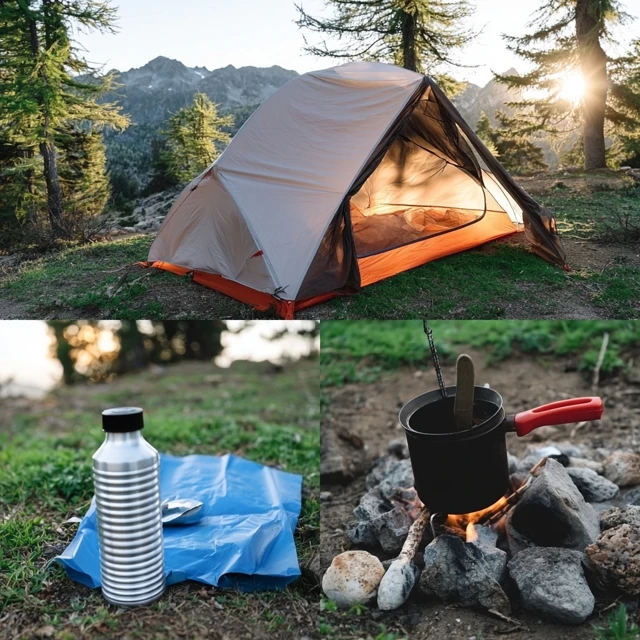
The first time I pitched a tent in a downpour, I learned the hard way that a soggy sleeping bag ruins more than just sleep. That night, water pooled under my mat, the zipper jammed with grit, and my headlamp rolled into a puddle. Since then, I’ve collected a handful of tent camping hacks that turn a potential disaster into a cozy retreat. These aren’t the generic tips you’ll find on every list—they’re specific, tested methods that handle real-world conditions. Let’s get into them.

1. The Perfect Stake-Out for Wind
Wind is the most underrated tent killer. Most campers drive stakes straight down. That’s fine for calm weather, but in a gust, the stake pulls out sideways. Instead, angle each stake at 45 degrees away from the tent. This creates a mechanical lock in the soil. For sandy or loose ground, bring six-inch aluminum stakes with wide heads—they hold better than skinny wire ones. Tie your guy lines taut, but not guitar-string tight; leave a little give so the fabric flexes without tearing. A common mistake is ignoring the windward side. Always stake the side facing the wind first, then the lee side. If a storm is forecast, add a second stake per corner, crossed like an X.
2. Rainfly Tension Without the Sag
A loose rainfly flaps, collects water, and eventually leaks. The trick is to pitch the fly with a slight gap between it and the tent body—about two inches. That air gap prevents condensation from dripping on you. After setup, adjust all fly straps so the fabric is drum-tight. But here’s the hack: tie a small loop of paracord to each corner of the fly, then attach the cord to your stake. This lets you tension the fly independently of the tent floor. If rain starts, you can tighten the fly without crawling under the tent. For extra waterproofing, seam-seal the fly’s center seam before your trip—use a thin layer of silicone sealer, not the runny stuff.
3. The Headlamp Lantern Trick
You don’t need a separate lantern. Take a clear plastic water bottle (empty or full—doesn’t matter) and strap your headlamp around it with the light facing inward. The bottle diffuses the beam into a soft, ambient glow that fills the entire tent. No harsh shadows, no blinding your tentmate. If you want warmer light, use a red or amber headlamp mode—it also preserves night vision. Clip the bottle to the tent peak with a carabiner. This hack weighs nothing and costs zero extra dollars.
4. Keep Your Sleeping Pad From Sliding
Nothing wakes you faster than sliding off your pad onto a cold floor. The fix: put a thin, non-slip shelf liner (the kind used in kitchen drawers) under your sleeping pad. Cut it to size. The grippy texture holds the pad in place even on a slanted tent floor. If you don’t have shelf liner, a rubberized camp mat works too. For extra warmth, place a closed-cell foam pad under your inflatable pad. That combo adds an R-value of about 2, which makes a difference on cold ground.
5. Dry Shoes and Wet Gear Storage
Wet boots left in the vestibule will still be wet in the morning. Instead, bring a small plastic shopping bag or a dry bag. Put your boots inside, then stuff the bag into the foot of your sleeping bag. Your body heat will dry them overnight. For wet socks and gloves, hang them from a clothesline strung across the tent ceiling using mini carabiners. Don’t use the tent poles as a drying rack—they can bend under weight. And never store food in the tent, even in a sealed bag; the smell attracts animals. Keep all food in a bear canister or hang it 200 feet from camp.
6. The Perfect Tent Floor Protection
A tarp under your tent is essential, but most people cut it too big. A tarp that sticks out past the tent edges will collect rainwater and funnel it right under your floor. Cut your ground cloth to match the tent footprint exactly—or an inch smaller. Then, when it rains, water runs off the tarp onto the ground, not under your tent. Use a heavy-duty polycryo groundsheet (it’s lighter and quieter than plastic) and replace it when it gets holes. For rocky sites, add a second layer of Tyvek under the tent floor for puncture resistance.
7. Zipper Maintenance on the Go
A stuck zipper in the dark is a nightmare. Before every trip, rub a bar of soap or a wax candle along the zipper teeth. This lubricates them and prevents grit from jamming the mechanism. If a zipper does get stuck, don’t yank it—that can bend the teeth. Instead, gently work the slider back and forth while applying pressure to the fabric near the jam. For a broken zipper pull, use a small paperclip or a key ring as a temporary replacement. Test your zippers before you leave home; a broken zipper in the field is tough to fix.
8. The Quick-Release Guy Line Knot
Most campers tie guy lines with a simple knot that jams under tension. Learn the taut-line hitch. It’s a sliding knot that lets you adjust tension without untying. But better yet, use a trucker’s hitch for the main corners—it’s quick to tie and release. Practice these knots at home once, and you’ll never struggle with flapping lines again. For a fast release in the morning, tie your lines to the stake with a slippery half-hitch. One pull and the line is free.
9. Nighttime Navigation Without a Light
Stumbling to the bathroom in the dark is no fun. Before bed, place a small glow-in-the-dark marker (like a tent stake with a reflective tab) at the tent door and another halfway to the latrine. Or use a small solar light stake. If you have kids, give each child a glow stick to wear around their wrist—it’s visible from a distance and won’t blind others. For your own tent, string a thin line of reflective cord from the tent door to the nearest tree. You can feel your way back by touch.
10. The Morning Pack-Up Sequence
Packing a wet tent is a recipe for mildew. If it rained overnight, wipe down the interior walls with a microfiber cloth before you take down the tent. Then, shake out the rainfly and let it air for 10 minutes if possible. Fold the tent loosely—tight rolls trap moisture. When you get home, set the tent up in your yard or garage to dry completely before storing. This one habit extends your tent’s life by years. And always pack your stakes and poles in a separate bag from the tent body so they don’t puncture the fabric.
Takeaway
These tent camping hacks are about small adjustments that make a big difference. A well-pitched tent, dry gear, and a few clever tricks turn a night outdoors from a struggle into a genuine rest. The best part? Most of these cost nothing but a little forethought. Next time you set up camp, try just one of these. You’ll feel the difference the moment the wind picks up or the rain starts tapping on the fly.
Frequently Asked Questions
What is the best tent camping hack for keeping gear dry?
Use a shower cap or plastic bag over your boots and a dry bag for electronics. Also, line your tent floor with a footprint or tarp cut exactly to size—never larger, or it will collect water underneath.
How can I keep my tent cool in hot weather?
Pitch your tent in the shade, open all vents and doors for cross-ventilation, and use a reflective emergency blanket on the roof (outside the rainfly) to deflect heat. A battery-powered fan clipped to the tent peak helps too.
What’s the best way to organize small items inside a tent?
Use clear plastic shoe organizers hung from the tent loops or a gear loft. Store headlamps, phones, and snacks in individual pockets so you don’t lose anything in the dark.
How do I prevent condensation inside my tent?
Set up in a spot with good airflow, avoid cooking inside the tent, and leave the rainfly partly open if no rain is forecast. Wipe down interior walls with a microfiber cloth in the morning.
Is it safe to use a camp stove inside a tent?
No. Never use a camp stove, lantern, or any fuel-burning device inside a tent due to carbon monoxide poisoning risk. Always cook outside, at least 10 feet away from the tent.