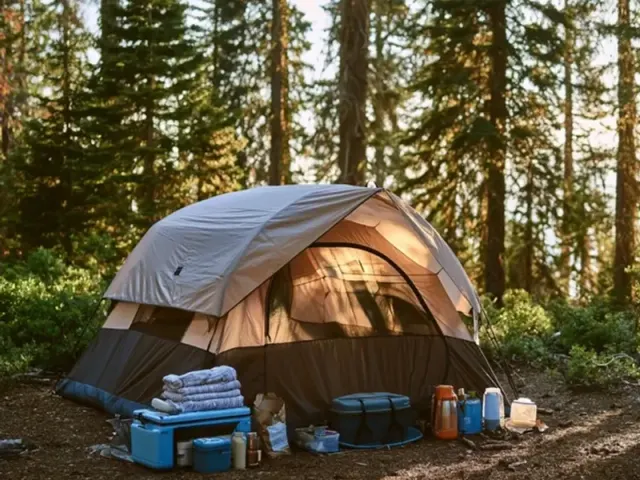
Family Tent Camping Checklist: Gear for a Smooth Trip
The scent of damp canvas and pine needles. The rustle of a sleeping bag zipper at dawn. That’s the sound of a family camping trip about to begin. But getting there without forgetting a critical piece of gear — that’s the real challenge. After years of packing and repacking for trips with kids, I’ve settled on a system that turns chaos into calm. Here’s my family tent camping checklist, built around a method I call the Five-Bin System. It’s not just a list of items; it’s a way to pack, unpack, and find anything in seconds.

The Five-Bin System: Packing by Function
Instead of one giant duffel, use five clear plastic bins with locking lids. Label each bin with a permanent marker: Shelter, Sleep, Kitchen, Clothes, and Extras. This isn’t just for packing — it makes setup faster and teardown less frantic. When you arrive, you grab the Shelter bin first. When it rains, you know exactly where the rain gear is (Extras bin). Each bin holds only what’s needed for that function. No digging through a mountain of stuff.
Bin 1: Shelter
This bin holds everything related to your tent: the tent body, rain fly, poles, stakes, a ground tarp (cut to fit just under the tent footprint), a rubber mallet for stubborn stakes, a patch kit for tears, and a small broom for sweeping out dirt. I always stake the corners first, then the middle points, and pull the rain fly taut so it doesn’t flap. A common mistake is leaving the rain fly loose — that lets wind catch it and can bend poles. Instead, tighten the fly until it’s drum-tight, then stake the guy lines out at a 45-degree angle.
Bin 2: Sleep
Sleeping bags, sleeping pads, pillows, and a small repair kit for zippers. For family trips, I use sleeping pads with a higher R-value (3.0 or above) for ground insulation — cold ground is the number one reason kids complain at night. Lay out each sleeping pad before unrolling the bags. If you have toddlers, consider a separate small tent for them if they’re old enough, or push two pads together and zip two sleeping bags into one large one. Pro tip: bring a small LED nightlight for each child’s sleeping area — it reduces nighttime anxiety and keeps them in their own bag.
Bin 3: Kitchen
Camp stove, fuel canisters, a lightweight pot set, a spatula, a cutting board, a sharp knife, a can opener, a small dish tub, biodegradable soap, a scrub sponge, a dish towel, reusable plates and utensils, and a collapsible sink. I also pack a small cooler for perishables and a dry bin for pantry items like pasta, rice, and snacks. One trick: pre-cook and freeze meals like chili or stew at home. They thaw in the cooler and just need reheating — less mess, less time. Always cook at least 10 feet away from the tent and never inside. Carbon monoxide from stoves is invisible and deadly.
Bin 4: Clothes
Each person gets a small mesh bag inside the bin for their own items. Pack layers: a moisture-wicking base, an insulating mid-layer (fleece or wool), and a waterproof outer shell. For kids, bring one extra set of clothes beyond what you think they’ll need. Mud happens. Also pack a separate dry bag for wet or dirty clothes. I roll each outfit together (shirt, pants, socks, underwear) into a single bundle — it saves space and makes dressing quick. Don’t forget hats, gloves, and a buff or bandana for sun or cold.
Bin 5: Extras
First-aid kit, headlamps for each person (with extra batteries), a multi-tool, a fire starter kit (lighter, waterproof matches, and tinder), a portable charger, a deck of cards, a small book or nature journal, a whistle for each child (teach them to use it only in emergencies), sunscreen, insect repellent, and a small tarp for a dining shelter. This bin is also where I keep a collapsible water jug and a water filter or purification tablets for longer trips. One safety note: store all food, scented items, and toiletries in a bear-proof container or hung from a tree at least 10 feet off the ground and 4 feet from the trunk — even in areas without bears, raccoons and rodents will find your stash.
Setup Sequence: From Car to Camp in Under 30 Minutes
When you arrive, resist the urge to let kids run wild. Instead, assign one adult to set up the tent (Shelter bin) while the other adult unpacks the Kitchen bin and sets up the stove area. Kids can help by placing sleeping pads in the tent or gathering kindling for a fire. The sequence matters: tent first, then kitchen, then sleeping gear, then clothes and extras. This keeps the tent clean and dry before anything else goes inside. If rain threatens, set up the dining tarp first — it gives you a dry workspace.
Packing Out: The Reverse Checklist
Before you leave, do a sweep of the campsite using the five bins as a guide. Check under picnic tables, inside tent pockets, and around the fire ring. Have each child check their own sleeping area. I use a small magnet to find dropped tent stakes in the grass. Leave no trace: pack out all trash, food scraps, and any gear that didn’t survive the trip. A final walk around the site ensures you haven’t left a favorite toy or a forgotten water bottle.
Adapting for Weather and Terrain
If you’re camping in high wind, use extra stakes (I bring at least 10 more than the tent comes with) and tie guy lines to trees or large rocks. For hot weather, pitch the tent in the shade and leave the rain fly partially off to allow airflow — just be ready to deploy it quickly if a storm rolls in. In cold weather, use a closed-cell foam pad under your inflatable pad for extra insulation. And always check local fire restrictions before building a campfire; some areas ban fires during dry seasons.
One More Trick: The Pre-Trip Dry Run
Before your first family trip, set up the tent in your backyard or living room. Let the kids practice unzipping and crawling in. Test the stove. Check that all headlamps work. This isn’t just about gear — it builds confidence. When the actual trip arrives, the tent goes up in minutes, and the kids know exactly where to put their sleeping bags. That confidence carries through the whole weekend.
Takeaway: A great family tent camping trip starts with a smart checklist. Use the Five-Bin System to stay organized, prioritize setup sequence, and always plan for weather. Pack with purpose, and you’ll spend less time searching and more time sitting by the fire, watching the stars come out.
Frequently Asked Questions
How do I make a family tent camping checklist?
Start with the essential categories: shelter, sleeping, cooking, clothing, hygiene, and entertainment. Then list specific items for each family member. Use a shared digital list or a printed template that you can reuse and adjust each trip.
What are the must-haves for family tent camping?
A properly sized tent (allow 2-3 feet of extra floor space per person beyond sleeping pads), quality sleeping bags rated for the expected low temperature, a camp stove with fuel, a first-aid kit, and a reliable lantern. Don't forget a tarp for under the tent and a rain fly that extends past the tent walls.
How do I pack for a family camping trip efficiently?
Use clear plastic bins labeled by category (kitchen, sleeping, clothes, etc.). Pack heavy items low and center in the car. Roll clothes to save space. Have each child pack their own small backpack with a change of clothes, a book, and a snack for the drive.
What should I do if it rains during family tent camping?
Set up a large tarp over the dining area using poles or trees. Keep all gear off the ground inside the tent. Pack a change of clothes in a dry bag for each person. Ensure your tent seams are sealed and the rain fly is taut. Avoid cooking inside the tent due to carbon monoxide risk.
How do I keep kids entertained while tent camping?
Bring simple, nature-focused activities: a scavenger hunt list, a magnifying glass for bugs, a sketchbook, and a deck of cards. Let them help with camp chores like gathering sticks for a fire or setting up their sleeping area. Avoid screens if possible to encourage outdoor play.