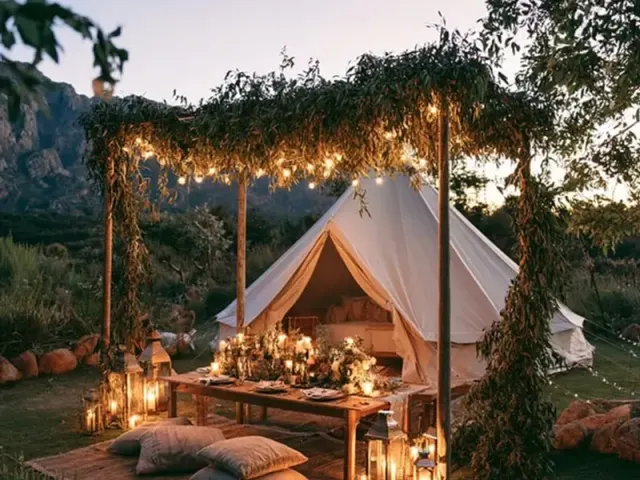
Tent Ideas for a Wedding: A Cozy Camping Ceremony
There's something about the soft glow of string lights against canvas, the smell of damp pine needles underfoot, and the quiet rustle of a breeze through the trees. A tent wedding isn't just a ceremony—it's a whole atmosphere. I've helped friends set up for these kinds of gatherings, and I've learned that the difference between a magical night and a stressful scramble comes down to a few key choices. Let me walk you through the tent ideas for a wedding that actually work, from setup to decor to keeping everyone comfortable when the weather turns.

Choosing the Right Tent for Your Wedding
Forget the tiny backpacking shelters. A wedding tent needs headroom, floor space, and a bit of style. My go-to is a large canvas bell tent, typically 13 to 16 feet in diameter. That size comfortably seats 10 to 15 people for a meal, or 20 for a standing ceremony. If you're expecting more guests, consider a 20x20-foot frame tent or a clear-top canopy that lets in natural light. The key measurement: allow at least 10 square feet per person for seated areas, and 6 square feet for standing mingling.
One mistake I see often is choosing a tent with a low peak. You want at least 8 feet of center height so guests can stand and move without ducking. For a ceremony arch, aim for a tent with a peak of 10 feet or more. And don't forget the floor—if you're on grass, lay down a heavy-duty tarp first, then add outdoor rugs to define the space. That tarp keeps moisture from seeping up through the canvas.
Setup Sequence: Stake, Then Decorate
I always stake the corners first, pulling the tent taut before inserting any poles. This prevents sagging and keeps the fabric from flapping in the wind. For a wedding, you'll want the tent to look crisp, not droopy. Use stakes at least 12 inches long—the standard 8-inch ones pull out too easily when the ground is soft. And please, use a mallet, not a rock. A rock can bend the stake head and make it impossible to remove later.
Once the tent is up, let it sit for an hour. This lets the fabric relax and settle. Then add your guylines. I run them at a 45-degree angle from the tent body to the ground, and I use reflective cord so no one trips in the dark. For extra stability in wind, I place a 5-gallon bucket of sand or water on each corner stake. That weight alone can keep a tent grounded in gusts up to 25 mph.
Decor That Works With Canvas
String lights are the easiest way to transform a tent. I run them along the ridge pole and down the sides, using zip ties to attach them every 18 inches. Battery-operated LED fairy lights in warm white create a soft glow without the fire risk. Avoid open flames inside a tent—even with ventilation, the carbon monoxide risk is real. Stick to LED candles or flameless lanterns.
For the ceremony area, I like to create a focal point with a simple arch made of birch branches or a wooden frame draped with tulle. Place it near the tent opening so it frames the couple against the landscape. Inside, use low centerpieces—mason jars with wildflowers or small potted herbs—so guests can see across the table. Hang paper lanterns from the ceiling for a floating effect. And here's a trick no one tells you: use binder clips to attach fabric panels to the tent walls. They hold better than tape and won't damage the canvas.
Weather Prep: Rain, Wind, and Cold
Rain is the biggest wildcard. A good tent with a full rainfly and sealed seams will keep the inside dry, but you need to test it beforehand. Set the tent up in your backyard and spray it with a hose. Look for drips along the seams and zippers. If you find any, apply seam sealer 24 hours before the event. Also, create a mud-free entry by laying a large rubber mat just outside the tent door. Guests can wipe their boots before stepping onto the rug.
For cold weather, I add a layer of insulation under the floor. A thick wool blanket or a foam camping mat placed under the tarp makes a surprising difference. You can also run a safe, propane-powered tent heater—but only if the tent has a vent at the top and you keep the heater at least 3 feet from any fabric. Never use a charcoal grill or a camp stove inside a tent. The carbon monoxide can build up silently and quickly.
Seating and Flow
Skip the folding chairs if you can. They're noisy, uncomfortable, and don't fit the vibe. Instead, use low wooden benches, floor cushions, or even hay bales covered with a blanket. For a dining area, a long wooden table with benches creates a communal feel. Arrange the seating so there's a clear path from the tent entrance to the ceremony spot. I like to leave a 4-foot-wide aisle down the center—enough for two people to walk side by side.
If you're having a reception after the ceremony, set up a separate lounge tent nearby. A smaller 10x10-foot canopy with rugs, pillows, and a few low tables gives guests a place to chat and relax. Keep the main tent for the ceremony and the meal. That separation helps the night flow naturally and keeps the main space from feeling cluttered.
Lighting and Ambiance After Dark
As the sun goes down, the tent becomes a lantern. I hang a string of solar-powered fairy lights along the outside of the tent too—they create a warm halo around the structure. Inside, place a few LED lanterns on the tables at different heights. Use dimmable ones so you can adjust the brightness as the evening progresses. The goal is to make the tent feel intimate, not like a hospital waiting room.
One more thing: test your lighting setup at night before the event. Walk around the tent and note any dark spots. Add a light near the entrance so guests can see the zipper or door flap. And always bring backup batteries and a spare string of lights. Because the one thing that can kill a tent wedding faster than rain is a blown fuse in the dark.
Takeaway
A tent wedding is an invitation to slow down and connect with the people around you. It's not about perfection—it's about creating a space that feels like a shared secret in the woods. Start with a tent that fits your guest list, stake it down like you mean it, and layer in light and texture until it feels like home. The rest is just the sound of laughter under canvas.
Frequently Asked Questions
What size tent do I need for a wedding ceremony?
For a small wedding with 20-30 guests, a 10x10-foot canopy or a 13-foot bell tent works for the ceremony area. For dining, plan for a larger tent or multiple tents. Always allow 10-15 square feet per person for seating and movement.
Can I use a regular camping tent for a wedding?
Yes, if you're having a very intimate elopement with just a couple of people. For more guests, use a larger event canopy or a glamping-style bell tent that offers headroom and space for decorations. Standard backpacking tents are too cramped.
How do I keep a wedding tent stable in wind?
Use heavy-duty stakes at least 12 inches long, and secure all guylines at a 45-degree angle. Add sandbags or water weights to each leg if using a canopy. Avoid setting up in open, exposed areas—choose a spot with natural windbreaks like trees or hills.
What are some cozy decor ideas for a wedding tent?
String lights, paper lanterns, and battery-operated candles create warmth. Lay down outdoor rugs and add floor cushions for a lounge feel. Use natural elements like pine branches, wildflowers, and burlap to blend with the camping theme.
How do I handle rain during a tent wedding?
Choose a tent with a waterproof rainfly and sealed seams. Set up a secondary smaller tent or canopy for guests to take shelter. Have a backup indoor location or a large tarp system. Test your tent's waterproofing a week before the event.