
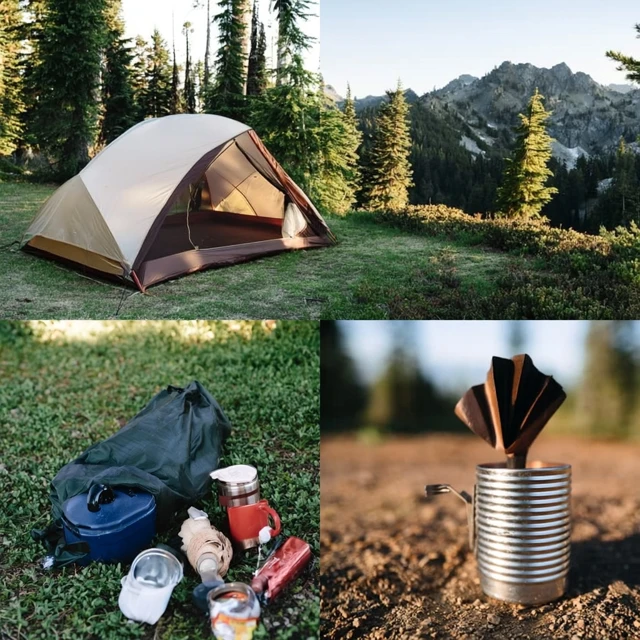
There’s a moment just after dusk when the tent zipper closes and the outside world softens. The nylon walls glow dimly, and you realize the ground beneath you is a little lumpy, the air a bit stuffy, and your headlamp keeps rolling into a corner. I’ve spent enough nights in a tent to know that a few simple DIY fixes can turn a cramped shelter into a genuinely comfortable camp. These aren’t the hacks you’ll find on every list—they’re the ones that solve specific annoyances I’ve wrestled with in rain, wind, and cold.

Lighting That Stays Put
A headlamp dangling from the ceiling is fine until you bump it and it swings like a pendulum. Instead, try this: take a white plastic gallon milk jug, cut off the bottom, and slip it over a battery-operated lantern. The jug diffuses the light into a soft, warm glow and protects the lantern from accidental knocks. Hang it from the tent’s peak loop using a small carabiner. The jug also doubles as a storage container for small items during the day.
For reading light, I thread a string of battery-powered fairy lights along the tent ridge. Use small binder clips—the ones with the metal loops—to attach the wire to the tent pole sleeves. No tape, no damage. The lights weigh almost nothing and create a cozy atmosphere that doesn’t blind you when you need to find your water bottle at 2 a.m.
Wind and Weather: The Art of the Guyline
Most tents come with thin, white guylines that are nearly invisible in low light. Replace them with reflective cord—it’s cheap and available at any hardware store. Cut lengths about 18 inches longer than the original. Tie a taut-line hitch knot on one end so you can adjust tension without retying. The reflective strands catch headlamp light from 50 feet away, so you won’t trip on them during a midnight bathroom run.
Here’s the trick most people miss: stake the windward side first. If wind is forecast, orient the tent so the narrowest end faces the wind. Drive stakes at a 45-degree angle away from the tent, not straight down. That angled bite holds better in loose soil. For sandy ground, use 12-inch stakes or bury a small rock under the stake head for extra grip.
Safety note: In sustained winds over 25 mph, lower your tent profile by loosening the poles slightly and adding extra guylines to the mid-points of the rainfly. If the wind is strong enough to lift the tent floor, pack up and find natural shelter—never stay in a tent that’s actively flapping.
Floor Comfort Without a Thick Mattress
A single sleeping pad can leave your hips cold and sore by morning. Instead of buying an expensive insulated pad, layer a closed-cell foam pad under your inflatable pad. The foam blocks ground cold and adds a cushioning layer that prevents your inflatable pad from sliding around. For extra warmth, cut a reflective emergency blanket to the size of your tent floor and place it under the foam pad. The shiny side up reflects body heat back toward you. I’ve tested this down to 30°F and stayed comfortable without a heater.
If you camp with kids, bring an extra foam pad for them to sit on during the day. They’ll stay warmer and drier when eating snacks or playing card games.
Keep the Rain Out: The Seam Sealer Trick
New tents often have factory-sealed seams, but those seals degrade after a season. Before your first trip, apply a thin layer of seam sealer to all interior seam tape—especially along the rainfly and floor corners. Use a small brush and work in a well-ventilated area. Let it cure for 24 hours. This prevents the slow drip that forms when water finds a pinhole in the tape. Also, check the stake-out loops: if they’re sewn through the floor, dab a drop of sealer on the stitch holes inside the tent.
Another rain hack: keep a small microfiber towel inside a dry bag. Wipe condensation off the tent walls before packing. This prevents mildew and keeps your gear dry for the next night.
Organization That Actually Works
Loose gear turns a tent into a disaster zone. I use a mesh shoe organizer—the kind that hangs over a door—attached to the tent’s interior loops with small carabiners. Each pocket holds a specific item: headlamp, phone, sunscreen, bug spray, snacks, map. No more digging through a dark duffel bag. The mesh allows air circulation so damp items dry out.
For the ground, I cut a cheap foam floor mat (like the interlocking puzzle mats sold at hardware stores) to fit exactly inside the tent footprint. It adds a thin layer of insulation and padding, plus it keeps sleeping bags clean. When it’s muddy, I wipe the mat with a damp cloth before entering the tent. The mat rolls up easily and straps to the outside of my pack.
Food Storage and Smell Management
Bears and raccoons are attracted to food smells, but even mice will chew through a tent wall for a forgotten granola bar. Store all food, trash, and scented items (toothpaste, deodorant) in a bear canister or a scent-proof bag at least 100 feet downwind from your tent. I use a dry bag inside a stuff sack—double layer for extra odor control. Hang it from a tree branch at least 10 feet off the ground and 4 feet from the trunk if regulations allow. Never store food inside your tent, even for a short nap. The smell lingers on fabric and can attract animals hours later.
Fire safety: Cook at least 15 feet away from your tent, on a stable, non-flammable surface. Fully extinguish camp stoves and allow them to cool before storing. Never leave a lit stove unattended.
Takeaway
These DIY ideas aren’t about buying more gear—they’re about using what you have in smarter ways. A milk jug, a binder clip, a reflective blanket, and a mesh organizer can transform your tent from a basic shelter into a cozy, functional home for the night. The best hacks are the ones you don’t notice until the weather turns, and then you’re glad you took the extra 20 minutes to set them up. Try one or two on your next trip, and see how much smoother the night goes.
Frequently Asked Questions
What is the best DIY hack for keeping a tent dry in rain?
Lay a painter’s drop cloth or a cheap tarp underneath your tent footprint, folding any excess inward so it doesn’t channel water under the tent floor. Also, seal all seam tape with a thin layer of seam sealer before your trip.
How can I make my tent warmer without a heater?
Use a closed-cell foam pad under your sleeping pad for insulation, and hang a reflective emergency blanket inside the tent walls to bounce body heat back. Never use a camp stove or propane heater inside a tent—carbon monoxide is deadly.
What is a simple DIY tent lighting idea?
String a set of battery-operated fairy lights along the tent’s ceiling ridge using small binder clips attached to the tent poles. This provides soft, ambient light without the fire risk of a lantern.