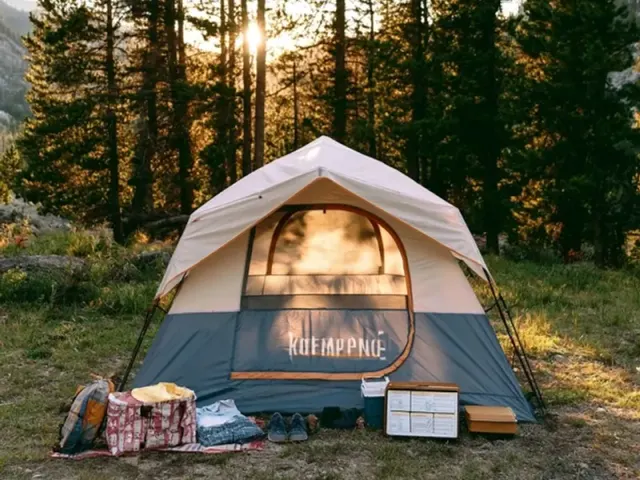
Tent Camping Checklist with Kids: Gear & Setup Tips
The first time I packed for a tent trip with little ones, I brought twice as much as we needed — and still forgot the tent stakes. The car was a puzzle of bags, and the campsite felt more like a staging area than a home away from home. Over time, I learned that a lean, intentional checklist makes all the difference. Here’s a system that works, built around what actually matters when the tent goes up and the kids are underfoot.

Start with the Tent: Size, Setup, and Shelter
A family tent needs to breathe. Look for one that sleeps two more than your family size — a 6-person tent for a family of four gives room for gear, a changing area, and a place to sit if rain rolls in. Full-coverage rainfly is essential; partial flies leave you scrambling when wind shifts. Before you leave, practice setting it up in the backyard. Let the kids help thread poles — they learn the rhythm and feel invested. At the campsite, stake the corners first, then the guylines. This keeps the fabric taut and prevents pooling water. If the ground is hard, use a rubber mallet; if it’s soft, longer stakes hold better. Always check the forecast: if winds are over 20 mph, choose a sheltered spot behind trees or a hill.
Sleeping Setup: Warmth Without the Bulk
Kids lose heat faster than adults. Use a foam pad under their sleeping bag for insulation — even in summer, ground cold seeps through. I prefer rectangular bags for children; they can move without feeling trapped. Bring one extra blanket per child, but skip the giant pillows. A rolled-up hoodie works just as well and saves space. For toddlers, a fitted sheet over the sleeping pad helps them stay put. Pro tip: put a reflective blanket under the pad on cold nights — it bounces body heat back up.
Packing Strategy: The Three-Bin System
Forget the giant duffel. Use three clear plastic bins with lids: one for sleeping gear (bags, pads, pillows), one for kitchen (stove, fuel, pots, utensils, spices in a small bag), and one for clothes and toiletries. Label each with a permanent marker. Inside the tent, use mesh hanging pockets for headlamps, wipes, and a book. This keeps small items from disappearing into the corners. For kids, pack a separate ‘kid grab bag’ — a small backpack with a snack, a water bottle, a flashlight, and a comfort item. They can carry it themselves, which builds ownership and keeps them busy while you set up.
Feeding the Crew: Simple Meals That Work
Kids get hangry fast. Plan meals that require minimal prep and cleanup. Pre-cut vegetables and marinate meat at home; store in leak-proof containers. One-pot meals — like chili or pasta with sauce — save time and fuel. For breakfast, instant oatmeal with dried fruit and nuts is quick and filling. Always bring a backup: granola bars and shelf-stable milk. Cook at least 50 feet from the tent to avoid attracting animals. Store all food in a sealed cooler or bear-proof container, and never leave it out overnight. If you’re in bear country, hang food 10 feet up and 4 feet from the tree trunk.
Weather and Comfort: Adapt on the Fly
Rain changes everything. Set up a tarp over the picnic table for a dry cooking and eating area. Teach kids to keep wet clothes in a separate bag outside the tent. For heat, pitch the tent in shade and open all vents. A battery-powered fan clipped to the tent ceiling moves air. For cold, layer bedding: a fleece liner inside the sleeping bag adds 10 degrees. Always have a dry set of clothes for each person stored in a waterproof bag — this is non-negotiable. If you hear thunder, get everyone into the car or a hard-sided shelter. Tents offer zero lightning protection.
Safety and Sanity: Small Habits That Help
Give each child a whistle on a lanyard and a small headlamp. Practice a simple rule: if you can’t see the tent, blow the whistle. This works better than shouting. Keep a first-aid kit in the kitchen bin, not buried in the car. Include blister pads, antihistamine, and tweezers for splinters. For fire safety, build campfires in designated rings, keep a bucket of water nearby, and fully extinguish before bed — stir the ashes and douse until cold. Never use a camp stove or lantern inside the tent; carbon monoxide is odorless and deadly. A simple battery lantern is safer and plenty bright.
One Last Trick: The Pre-Departure Walkthrough
Before you leave home, lay out every item on the living room floor. Check it against your list. Then pack it into the bins. This catches forgotten items — like the tent poles or the stove fuel — before you’re an hour down the road. It also shows kids what’s coming, building anticipation and reducing anxiety.
Takeaway: A tent camping checklist with kids isn’t about having everything — it’s about having the right things in the right order. Keep the tent simple, the meals easy, and the kids involved. The best campsite is one where everyone sleeps well, eats well, and wakes up ready to explore. Safe travels.
Frequently Asked Questions
What is the most important item on a tent camping checklist with kids?
A properly sized tent with good ventilation. Aim for a tent that sleeps two more than your family size — this gives room for gear and a bit of wiggling. A rainfly with full coverage is non-negotiable for unpredictable weather.
How do I keep kids entertained while setting up camp?
Give each child a specific, safe job — like unrolling sleeping bags or collecting small sticks for kindling. Pack a small bag of novel toys or books they’ve never seen before. Let them explore within sight while you handle the tent.
What’s the best way to organize gear for a family tent trip?
Use clear, labeled bins or color-coded dry bags for each category: sleeping, cooking, clothing, and first aid. Keep a separate ‘kid grab bag’ with snacks, a flashlight, and a comfort item within easy reach once the tent is up.
How can I make the tent more comfortable for kids at night?
Insulate the floor with a thick tarp or foam mats under sleeping pads. Bring familiar bedding — a favorite blanket or small pillow — and use a dim, warm-toned lantern. Check temperature ratings on sleeping bags; kids often need a bag rated 10°F warmer than adults.
What safety steps should I take when tent camping with children?
Always stake the tent fully, including guylines, to prevent collapse in wind. Keep a whistle and a small flashlight in each child’s pocket. Store all food and scented items in a bear-proof container or locked car, away from the tent. Teach kids to stay within a defined boundary near camp.