
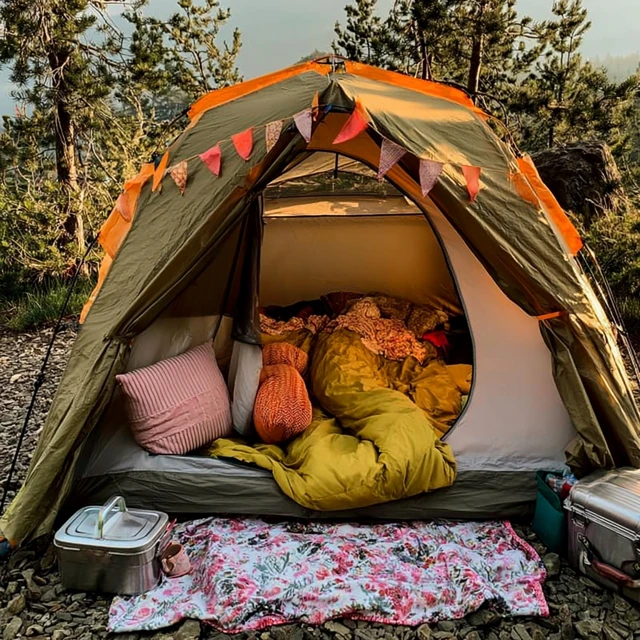
The first time I took my young nephew tent camping, I watched him spend twenty minutes trying to zip his sleeping bag from the inside. Then he dropped his headlamp into a puddle. Then he asked for a snack. Then another snack. Then he wanted to know why the tent walls were wet with condensation. By midnight, I had learned more about patience than tent setup.

Camping with kids isn’t about recreating a perfect Instagram campsite. It’s about reducing friction—the small frustrations that turn a fun trip into a long one. Over years of trial and error, I’ve settled on a handful of hacks that genuinely change the experience. These are the ones I keep coming back to.
Pre-Set the Tent at Home
Before you ever drive to a campsite, pitch the tent in your backyard or living room. Let your kids crawl through it, zip the doors, and figure out which sleeping bag belongs to whom. This ten-minute dry run eliminates the chaos of trying to explain tent assembly while a child is tired, hungry, and standing on the rainfly.
Mark the tent poles with colored tape—one color for the main body, another for the rainfly. Kids can help match the colors, and you won’t be guessing which pole goes where in fading light. I use a small piece of red electrical tape on the pole ends that fit into the grommets at the corners, and blue tape on the cross-poles. It sounds simple, but it saves minutes when you’re racing dusk.
Stake the Corners First, Then the Middle
This is the one technique I see skipped most often, and it’s the difference between a taut tent and a saggy one. After spreading the tent body on the ground, stake the four corner loops first, pulling each one diagonally outward so the fabric is flat. Only then insert the poles and stake the middle loops. The result is a floor that doesn’t ripple, which means less dirt and debris migrating inside. For windy sites, use 8-inch stakes at the corners and 6-inch stakes elsewhere. The longer stakes hold better in loose soil.
Create a Kid-Safe Lighting System
Standard lanterns are too bright for small eyes at bedtime. Instead, I hang a red-light headlamp from the tent peak using a small carabiner. The red light preserves night vision and doesn’t wake anyone who’s already asleep. For a softer glow, place a white-light headlamp face-down inside a clear plastic water bottle. The water diffuses the beam into a warm, even light that fills the tent without harsh shadows.
Glow sticks are a fantastic alternative to flashlights for kids. I snap one for each child and have them loop it onto a shoelace tied around their wrist. They can see to find their water bottle or book without fumbling in the dark, and the light is gentle enough not to disturb others. A bonus: glow sticks are cheap, and kids think they’re magical.
The Snack Zone: A Vestibule Strategy
Keep food and snacks out of the sleeping area entirely. I use a small, collapsible plastic bin placed in the tent vestibule (the covered entry area) as a dedicated snack zone. Each child gets a labeled dry bag inside the bin with their own trail mix, fruit pouches, and crackers. When they want a snack, they unzip the vestibule, grab their bag, and eat sitting on the tent floor just inside the door. This keeps crumbs and sticky fingers away from sleeping bags and reduces the chance of attracting wildlife into the tent. At night, I move the entire bin into the car or a bear-proof locker, depending on local regulations.
Manage Condensation Before It Becomes a Problem
Condensation is the enemy of a comfortable night with kids. Every exhaled breath adds moisture, and three or four bodies in a tent produce a surprising amount of water vapor. By morning, the inside of the rainfly can be dripping wet. The fix is two-fold: first, pitch the tent with the rainfly fully extended and the vents open, even if the forecast is clear. Second, place a small, absorbent towel—I use a microfiber camping towel—on the floor near the foot of each sleeping bag. In the morning, use the towels to wipe down the inside of the rainfly before packing it away. This prevents mildew and keeps the tent smelling fresh for the next trip.
Pack a Dedicated Kid Gear Loft
A mesh gear loft that hangs from the tent ceiling is worth its weight in gold. I stuff it with each child’s small comfort items: a stuffed animal, a book, a spare pair of socks, and a small flashlight. Having a designated spot for these items means no one is digging through a duffel bag at 2 a.m. looking for a lost toy. The mesh lets you see everything at a glance, and it keeps items off the floor where they can get wet or dirty. I hang the loft above the foot of the sleeping bags so it doesn’t block headroom.
The One-Minute Rule for Tent Entry
Teach kids to enter the tent one person at a time. I know it sounds obvious, but the chaos of two or three children trying to crawl in simultaneously usually ends with someone stepping on a sleeping bag or knocking over a water bottle. Establish a simple rule: one child unzips the door, enters, sits down, and then calls the next person. It takes one minute of patience and saves ten minutes of rearranging gear later. I reinforce this by having a small reward—a sticker on a chart—for every trip where they follow the rule.
Safety Note: Tent Ventilation and Stoves
Never use a camp stove, propane heater, or charcoal grill inside a tent or in the vestibule. Carbon monoxide is odorless and deadly, even with the door partially open. If the forecast calls for cold weather, bring extra insulation layers and a hot water bottle in a sealed container instead. Check local fire danger ratings before using any flame device near the tent. And always store food in sealed containers away from the sleeping area to avoid attracting raccoons, bears, or other wildlife.
Takeaway
The best tent camping hacks with kids are the ones that reduce stress and increase comfort. Pre-setting the tent, staking corners first, using red light for bedtime, and keeping snacks in the vestibule are small adjustments that make a big difference. Focus on reducing friction, and the rest—the campfire stories, the stargazing, the marshmallows—will happen naturally. Your tent should be a shelter, not a source of frustration. With a little preparation, it can be both.
Frequently Asked Questions
How do I keep kids warm in a tent at night?
Layer their sleep system: a thermal base layer, fleece pajamas, and a well-fitting sleeping bag rated for the expected low. Add a wool blanket over the bag if needed. Never use a camp stove or propane heater inside the tent due to carbon monoxide risk. A hot water bottle in a sock at the foot of the bag helps, but check that it’s sealed tight.
What’s the best way to keep a tent organized with kids?
Use a hanging gear loft or mesh pockets for small items like headlamps and toys. Assign each child a color-coded dry bag for clothes and a separate one for dirty laundry. Keep a small trash bag clipped to the tent corner. Store shoes in a plastic bin just inside the vestibule to keep dirt and dew out of the sleeping area.
How do I keep kids entertained inside the tent during bad weather?
Pack a ‘tent kit’ with glow sticks, a deck of cards, a small puzzle book, and a tablet with downloaded movies and headphones. Use a headlamp placed inside a water bottle for a soft diffused light. Play simple games like ‘I Spy’ using items visible from the sleeping bag. Keep the kit in a dedicated mesh pocket so it’s always accessible.