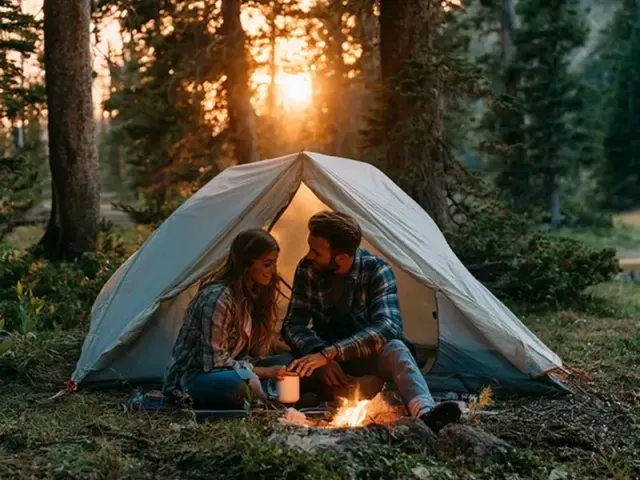
Tent Camping Aesthetic Couple: Cozy Setup Tips That Work
The first time I zipped open my tent after a long hike and saw the glow of a single lantern through the mesh, I understood what people mean by tent camping aesthetic. It’s not about expensive gear or perfect symmetry. It’s about creating a space that feels intentional, calm, and shared. For a couple, that means every choice—from the tent layout to the lighting—should make the space feel like a tiny home away from home.

Start With the Right Tent Layout
You can’t fake good space planning. For two people, a three-person tent is the sweet spot. I use a 3-person model with near-vertical walls—that extra headroom makes the space feel open. Before you set up, clear the ground of rocks and roots. Lay your footprint down first, then pitch the tent with the door facing away from the prevailing wind. This keeps drafts out and lets you sit with the vestibule open on calm evenings.
Position Sleeping Pads for Togetherness
Instead of placing two separate sleeping pads side by side, I use a single double-wide sleeping pad (25 inches wide per person works well) or two pads strapped together with a pad coupler. This eliminates the cold gap between you. Layer a fleece blanket over both pads before adding your sleeping bags. That blanket catches warmth and gives a unified look.
Lighting Sets the Mood
Harsh headlamps ruin the aesthetic faster than a wet sleeping bag. I bring two types of light: a dimmable LED lantern with a warm color temperature (2700K) and a string of battery-operated fairy lights with copper wire. The lantern goes on the gear loft or hangs from the tent peak. The fairy lights I drape along the tent ceiling ridge, not the walls—this casts a soft glow across the whole space without blinding you.
Pro tip: Use small binder clips to attach the fairy light wire to the tent pole sleeves. This keeps them secure and prevents them from tangling when you pack up. Avoid lights with a cool blue tone—they make the tent feel clinical.
Layer Textures for Comfort and Warmth
Aesthetics come from contrast. I bring two lightweight cotton throws (they pack flat) and two small pillows with removable covers. The throws go over the sleeping bags during the day for a couch-like feel. At night, they add an extra insulation layer. Choose colors that complement the landscape—muted greens, warm grays, or deep rusts work well. Avoid bright neons or busy patterns; they clash with the natural setting.
One trick I swear by: fold a thick wool blanket into a rectangle and place it at the foot of the sleeping area. It serves as a foot warmer, a place to sit when changing clothes, and a visual anchor for the bed.
Keep the Floor Clean and Cozy
Nothing kills the mood like dirt tracked into the tent. I use a small doormat made from a cut piece of outdoor carpet (about 18 by 24 inches) placed just inside the tent door. It catches debris and gives a soft place to step. Outside the door, I keep a small plastic tub for shoes. This simple system keeps the interior clean and the aesthetic intact.
For the floor inside, I lay down a thin foam play mat (the interlocking kind) under the sleeping area. It adds insulation, softens the ground, and creates a distinct zone for sleeping versus sitting.
Create a Shared Gear Station
Organization is part of the aesthetic. Use a mesh gear loft or a lightweight hanging organizer near the tent door. One side holds your partner’s items (phone, glasses, book), the other holds yours. This prevents clutter from spreading across the floor. I also hang a small carabiner from the tent peak for a spare headlamp—always accessible, never lost.
A common mistake is overpacking. Stick to one small duffel per person for clothes and personal items. Store them in stuff sacks that double as pillows. Less stuff means more room for the two of you to stretch out.
Weatherproofing Without Sacrificing Style
Rain can ruin the vibe if you’re not prepared. Before you leave home, seam-seal your tent—especially the fly seams. I do this every season. In camp, pitch the rain fly taut so it doesn’t sag and touch the tent walls. If it’s windy, stake the fly’s guy-out points at a 45-degree angle. This prevents flapping and keeps the interior dry.
For cold nights, add a reflective emergency blanket under your sleeping pad. It bounces body heat back up. Fold it neatly and tape it to the pad’s underside with painter’s tape—no crinkling, no mess.
A Note on Safety
Never use a camp stove, heater, or lantern with an open flame inside the tent. Carbon monoxide builds up fast and you won’t notice until it’s too late. Keep all fuel-burning gear at least 10 feet from the tent entrance. For light, stick to battery-powered LEDs. For warmth, use proper sleeping bags rated for the temperature—not a space heater.
Also, store all food and scented items in a bear canister or odor-proof bag, placed well away from your tent. This keeps wildlife out and lets you sleep soundly.
The Takeaway
A tent camping aesthetic for couples isn’t about perfection. It’s about thoughtful choices that make the space feel like yours. Focus on layout, lighting, and texture. Keep it simple. When you unzip that tent door after a day of hiking and see the warm glow inside, you’ll know you’ve made something special—just for the two of you.
Frequently Asked Questions
How do I make a tent feel romantic without buying expensive gear?
Focus on soft lighting—use a dimmable LED lantern or battery-operated fairy lights. Layer cheap fleece blankets over your sleeping bags for texture and warmth. A small rug or foam mat at the entrance keeps dirt out and adds a homey feel.
What tent size is best for a couple wanting an aesthetic setup?
A 3-person tent gives you room for two sleeping pads plus a small gear vestibule. This extra space lets you arrange pillows and blankets without feeling cramped. Avoid a 2-person tent if you want any aesthetic touches—it gets tight fast.
How do I keep the tent interior dry and clean for a cozy vibe?
Use a footprint that matches your tent floor size exactly. Keep shoes and wet gear in the vestibule or under a small tarp outside. Bring a microfiber towel to wipe condensation off the walls each morning.