
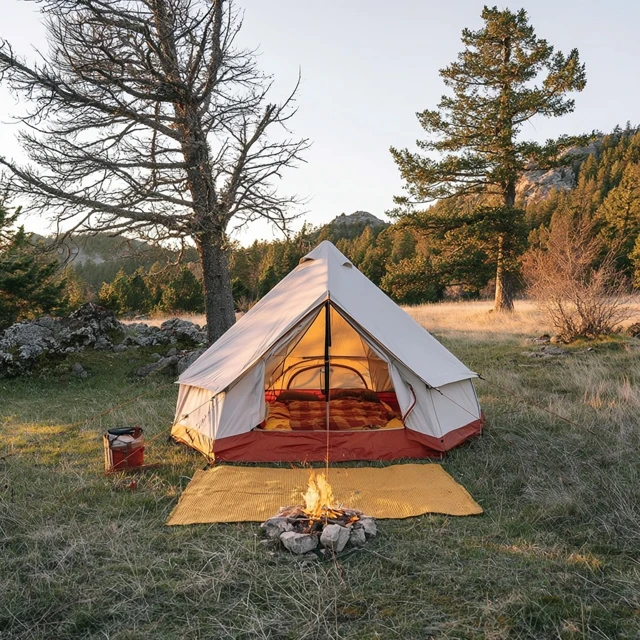
I love the moment when I unzip the tent and step inside after a long day on the trail. The fabric feels like a second skin, and the ground is firm but forgiving under my sleeping pad. But that comfort doesn’t happen by accident. It starts with how you think about the space. Good tent ideas camping aren’t about buying a bigger tent—they’re about using what you have smarter.

Zone Your Tent for Real Living
Think of your tent as three zones: sleep, storage, and transition. The sleep zone is the back half. The storage zone is the vestibule or a dry bag just outside the door. The transition zone is the floor area right inside the door where you sit to take off boots and shake out jackets.
I always put a small mat or a folded tarp in the transition zone. It catches dirt and moisture and keeps the sleep zone clean. If I’m camping with kids, I put a soft blanket there so they can sit and play without dragging mud into their sleeping bags.
For the sleep zone, I arrange sleeping pads so heads are toward the tent’s center and feet toward the walls. That keeps the heavier, warmer air near the center. If it’s cold, I put a closed-cell foam pad under my inflatable pad for extra insulation. The R-value jump is noticeable.
Use Every Inch Without Clutter
Gear lofts are my secret weapon. I hang one from the tent’s ceiling above the sleep zone. It holds headlamps, a water bottle, glasses, and a small book. No fumbling in the dark. Mesh pockets along the walls hold smaller items like a multitool, lip balm, and a spare battery pack.
For boots, I never bring them inside the tent. They go under the vestibule, upside down on a small plastic bag or a piece of cardboard. That keeps mud and moisture out. If it’s raining, I put them in a dry bag and clip the bag to a loop inside the vestibule.
One trick that changed everything: I use a lightweight stuff sack as a trash bag. I clip it to a loop near the door. Food wrappers, used wipes, and other small trash go in immediately. No crumbs in the tent, no smells attracting wildlife.
Set Up for Weather Before You Need To
Wind is the tent’s worst enemy. I always stake the corners first, pulling the fabric taut. Then I stake the guylines at a 45-degree angle from the tent. If I know wind is coming, I orient the tent’s narrow end into the wind. That reduces the sail effect.
For rain, the rainfly is not optional. I pitch it tight so it doesn’t flap against the tent body. Flapping causes condensation and noise. I also stake the rainfly’s lower corners out wide to create a small air gap under the fly. That gap lets moisture escape and keeps the interior drier.
Common mistake: pitching the rainfly too close to the tent. It needs at least a few inches of space. If the fly touches the tent, water wicks through. I check this by running my hand between the fly and the tent body after setup. If I can’t slide my hand in, I adjust the stakes.
Ventilation: The Quiet Comfort Killer
Condensation is the number one cause of a miserable night. Even in cold weather, I open the top vents and crack the door a few inches. That cross-breeze moves moist air out. If it’s raining, I keep the vents open but angle them away from the rain.
For summer camping, I set up the tent with the rainfly off if there’s no rain forecast. The mesh top lets every breeze through. I also use a small battery-operated fan clipped to the gear loft. It moves air without waking anyone up.
If I’m camping with kids, I check their sleeping bags in the middle of the night. Kids trap heat and moisture. If the bag feels damp, I unzip it a bit to let air in. A damp sleeping bag is cold and uncomfortable.
Make It Cozy Without the Weight
Cozy doesn’t mean heavy. A string of LED fairy lights on a thin wire adds warmth without bulk. I drape them along the tent’s ridge line. They use almost no power and create a soft glow that helps everyone relax.
I also bring a small, closed-cell foam pad to sit on inside the tent. It’s lightweight and gives a warm, dry place to sit while changing. For a touch of home, I pack a fleece blanket that doubles as a picnic blanket and a pillowcase. It’s not essential, but it makes the space feel intentional.
Safety and Common Sense
Never use a camp stove, lantern, or heater inside a tent. Carbon monoxide is invisible and deadly. If you need light, use battery-powered LEDs. For warmth, dress in layers and use a proper sleeping pad. Never store food inside the tent—keep it in a bear canister or hung from a tree at least 100 feet away. Check local regulations for wildlife-safe storage requirements.
Takeaway: Good tent ideas camping come down to how you organize the space, not how big the tent is. Zone it, ventilate it, and set it up for the weather. Your tent will feel like a small sanctuary, not a cluttered nylon bag.
Frequently Asked Questions
How do I arrange gear inside a tent for more space?
Use a vestibule for boots and wet gear. Store bulky items like coolers and chairs in a dry bag under the vestibule or just outside under a tarp. Inside, keep only sleep gear and essentials. Use mesh pockets for small items and a gear loft for headlamps and glasses.
What is the best tent layout for camping with kids?
Create separate zones: sleep zone at the back (kids in the middle, adults on ends for warmth), a play/change zone near the door with a soft mat, and a storage zone in the vestibule. Keep a small lantern or glow stick near the door so kids can see at night.
How do I set up my tent for windy conditions?
Orient the tent’s narrow end into the wind. Stake all corners and guylines at 45-degree angles. Lower the rainfly on the windward side and stake it close to the ground. Add extra stakes on the leeward side for airflow. Avoid ridge lines that catch wind.
Can I use a tarp inside my tent for extra warmth?
Yes, but place it under your sleeping pad, not directly on the tent floor. Use a closed-cell foam pad or an insulated inflatable pad. A tarp inside can trap condensation; instead, use a tent footprint outside.