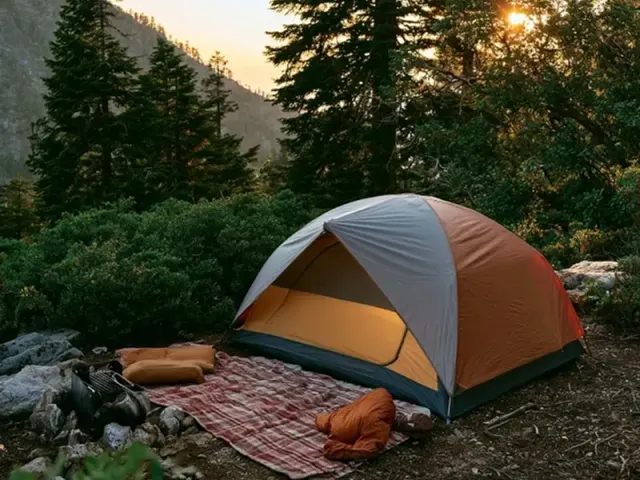
Aesthetic Tent Camping Setup Ideas for a Cozy Campsite
There’s something about the light inside a tent at dusk. Not the harsh beam of a headlamp, but the soft glow of a lantern set low on a camp table, casting long shadows across the nylon walls. That’s the feeling I aim for every time I set up camp. Aesthetic tent camping isn’t about Instagram perfection—it’s about creating a space that feels intentional, calm, and deeply comfortable. After years of trial and error (and a few nights tripping over tangled gear), I’ve settled on a setup method that balances beauty with practicality. Here’s how to build a campsite that looks good and works even better.

Start With a Clean, Level Pitch
An aesthetic tent starts with the ground beneath it. I always take five extra minutes to clear the tent site of sticks, pinecones, and rocks. A level patch of earth not only prevents lumps under your sleeping pad but also makes the tent sit straight—no sagging corners or crooked seams. I lay a footprint first, slightly smaller than the tent floor, to keep moisture from wicking up. Then I stake the tent corners in a specific order: opposite corners first, pulling the fabric taut, then the remaining two. This keeps the walls smooth and the geometry clean. A tent that’s properly pitched looks sharp and stays that way through wind shifts.
Why Smooth Walls Matter for Aesthetics
Wrinkled tent walls catch light unevenly, creating harsh shadows. When you string lights inside, smooth fabric diffuses the glow into a soft wash. I’ve found that taking the extra minute to adjust tension on each stake makes the interior feel twice as inviting. For windy nights, I use low-profile stakes driven at a 45-degree angle away from the tent—this keeps the shape clean even in gusts.
Layer Your Lighting With Purpose
Lighting makes or breaks the mood. I use two sources: one for ambient glow and one for task light. A string of battery-powered fairy lights (warm white, not cool blue) runs along the tent’s ridge pole. I clip them with mini carabiners so they hang straight, not sagging into my face. For task light, a dimmable LED lantern sits on a low camp table near the sleeping area. I set it to about 30% brightness—enough to read by, but low enough to feel like twilight. Never use a propane lantern inside a tent. The carbon monoxide risk is real, and the bright white light kills any sense of calm.
One Trick for Instant Coziness
Place your lantern on the ground, not at eye level. Light from below softens faces and gear, creating a warm, intimate feel. I’ve tested this side by side, and ground-level lighting always makes the tent feel larger and more inviting. Just make sure the lantern is on a stable surface—a small folding table or a flat rock—not directly on the tent floor where it could tip.
Choose Gear That Works Together
I don’t buy gear for looks alone, but I do avoid clashing colors and chaotic piles. A neutral-toned sleeping pad (olive, tan, or gray) paired with a matching stuff sack for my sleeping bag keeps the floor tidy. I store everything in three categories inside the tent: sleep gear in one corner, clothes in a compression sack at the foot of my pad, and a small clear bin for essentials (headlamp, book, earplugs, snacks). That bin stays tucked against the tent wall. No loose items scattered around—every surface looks intentional.
The One Item That Changes Everything
A small, packable rug at the tent entrance. I use a lightweight synthetic camp mat about 2x3 feet. It catches dirt and dew from shoes, defines the entry zone, and adds a touch of warmth underfoot. It also gives me a clean spot to sit while taking off boots. Just shake it out before packing up, and it doubles as a picnic mat for lunch breaks.
Create a Relaxing Seating Area Outside
The tent is for sleeping and changing. The real living space is outside, under the sky. I set up a simple seating area with two low camp chairs and a small table between them. A canopy or tarp overhead provides shade and rain protection—essential for lingering after meals. I position the chairs so they face the view, not the tent. This small shift makes the campsite feel like a destination, not just a place to sleep. For wildlife safety, I store all food and scented items in a bear canister or hanging bag at least 100 feet from the tent, never inside.
Adapt for Weather Without Sacrificing Style
Rain and wind don’t have to ruin the aesthetic. In wet weather, I pitch the tent with the door facing away from the prevailing wind and set up a small vestibule or gear tarp over the entrance. This keeps rain from blowing into the tent and creates a dry zone for removing wet gear. I also add a second footprint inside the tent—just a thin poly tarp under the sleeping pad—to keep condensation off my gear. In hot weather, I open all vents and use a reflective emergency blanket draped over the tent roof to deflect heat. It looks utilitarian, but it keeps the interior cool enough for afternoon naps.
Takeaway
An aesthetic tent camp setup isn’t about buying fancy gear. It’s about intentional choices: a level pitch, layered lighting, organized gear, and a clear separation between sleep and living space. Start with the ground, add light that feels warm, and keep surfaces clear. Your campsite will feel like a place you want to stay, not just a place you sleep. And when you wake up to soft light filtering through smooth walls, you’ll know the extra effort was worth it.
Frequently Asked Questions
How can I make my tent look cozy and aesthetic?
Start with layered lighting: a dimmable lantern on a low table and a string of battery-powered fairy lights along the tent ridge. Use a thick, neutral-toned sleeping pad and a soft fleece blanket. Keep gear organized in clear bins or stuff sacks to reduce visual clutter. A small rug or tarp at the entrance adds warmth and defines the space.
What are the best lighting options for an aesthetic tent setup?
Battery-powered fairy lights with a warm white tone (2700K) are ideal for overhead ambiance. Pair them with a dimmable LED lantern placed on a camp table or hung from the tent peak. Avoid bright white or blue lights—they feel harsh. For safety, never use open flames or propane lanterns inside a tent due to fire and carbon monoxide risks.
How do I organize gear without ruining the aesthetic?
Use matching stuff sacks or compression bags for clothes and sleeping gear. Store bulky items like coolers and camp chairs outside the tent under a vestibule or tarp. Inside, keep a single clear bin for small items (headlamp, book, snacks) and tuck it into a corner. The goal is surfaces that look intentional, not cluttered.
Does tent color affect the aesthetic?
Yes. Earth tones like olive, tan, or sage green blend into natural surroundings and feel more cohesive. Bright neon tents stand out but can feel jarring. If you already own a bright tent, soften the look with neutral gear inside and a ground tarp in a muted color. The tent’s exterior matters less than the interior ambiance you create.