
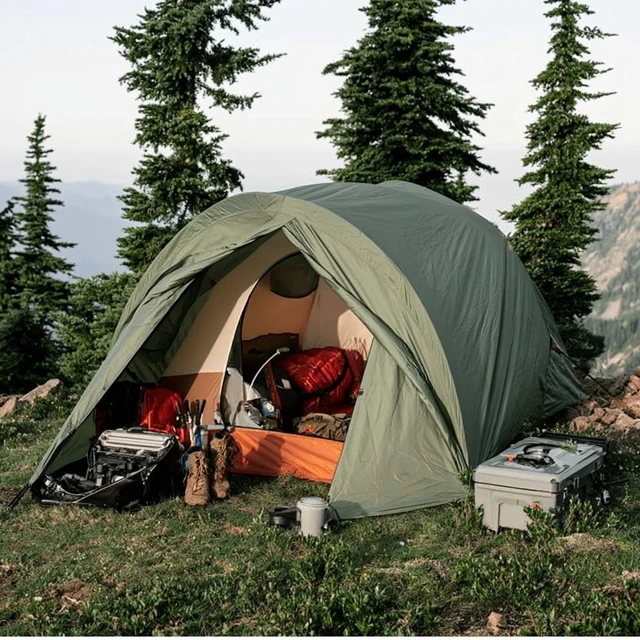
There’s a specific sound to a cluttered tent at night—the rustle of someone searching for a headlamp, the soft thud of a water bottle rolling into a sleeping bag, the muttered frustration. I’ve been there. A disorganized tent doesn’t just feel messy; it eats into rest time and can even compromise safety when you’re fumbling for essentials in the dark. The fix isn’t more gear. It’s a deliberate system for how you arrange everything before you even zip the door.

The Gear-Flow Method: One Direction, Less Chaos
Here’s the single most useful trick I’ve learned for tent organization: create a one-way flow for your gear. Everything enters the tent from the same direction, moves to a designated zone, and leaves the same way. This prevents the pile-up that happens when you toss your backpack in, then crawl over it, then add a jacket, then kick your shoes into a corner. The flow has three zones: the vestibule (wet/dirty), the entryway (frequently used), and the sleeping area (dry/clean).
Zone 1: The Vestibule — Wet and Dirty Only
If your tent has a vestibule, use it exclusively for items that are wet, muddy, or smelly. Shoes, rain gear, cooking fuel, and food bags go here. I always keep a small, lightweight ground cloth (a cut-down shower curtain works great) inside the vestibule to set wet boots on. A mesh hanging pocket on the vestibule wall holds a headlamp and a small towel—things you need before fully exiting. The common mistake is using the vestibule as overflow storage for clean gear. Keep it separate. When you wake up to rain, you’ll be glad your sleeping bag isn’t touching a damp rain jacket.
Zone 2: The Entryway — High-Traffic Items
Just inside the tent door, within arm’s reach, keep the items you use multiple times a day: water bottles, snacks, a headlamp, a phone, and a small first-aid kit. I use a single small stuff sack (about 6×10 inches) clipped to a loop near the door. This sack holds my headlamp, lip balm, earplugs, and a tiny notepad. No digging. A second mesh pocket on the opposite wall holds a water bottle upright. The key is to limit this zone to no more than three items per person. If you find yourself piling jackets or extra layers here, you’ve overflowed the zone—move them to a stuff sack or the foot of your sleeping bag.
Zone 3: The Sleeping Area — Keep It Clean and Clear
The sleeping area is for sleeping and nothing else. Sleeping pads, sleeping bags, and one small pillow per person. That’s it. Any clothing you plan to sleep in goes inside your sleeping bag stuff sack, which doubles as a pillow. Extra layers for the next day stay in a separate dry bag tucked against the tent wall at the foot of your pad. This keeps the floor completely clear. I once camped with someone who stored their backpack beside their pillow—they spent the whole night shifting around it. The floor should be so clear that you can crawl from the door to your sleeping pad without touching anything.
The Vertical Advantage: Use Every Inch Above the Floor
Floor space is precious. Vertical space is abundant. A simple gear loft (a mesh hammock that clips to the tent peak) holds glasses, a book, and a small battery pack. If your tent lacks a gear loft, string a lightweight clothesline between two tent poles and use small carabiners to hang stuff sacks. I’ve seen campers use adhesive hooks on tent poles (the kind with removable strips) to hang a small lantern or a watch. The rule: if it’s not in use, it should be off the floor. This keeps dirt and condensation away from your gear and makes the tent feel twice as spacious.
Adapting for Weather and Terrain
Rain changes everything. Before a storm, move all gear into the vestibule or under a tarp if your tent is small. Inside the tent, keep a dry bag for electronics and documents. In cold weather, store your water bottle upside down in a sock (so the cap doesn’t freeze) and tuck it into the foot of your sleeping bag. In hot weather, move the vestibule gear out to a shaded spot during the day to keep the tent cooler. If you’re camping with kids, give each child a small, labeled stuff sack for their own high-traffic items—this teaches them the system and reduces lost headlamps.
Common Mistake: The Pile-and-Search Cycle
The most common mistake I see (and have made myself) is the pile-and-search cycle. You arrive at camp, toss your backpack inside, unzip it, and pull out everything. Then you search for your sleeping bag, then your pad, then your pillow, then your headlamp again. By the time you’re settled, the tent looks like a gear explosion. The fix is simple: unpack your backpack in a systematic order outside the tent. Sleeping gear first, then clothing, then miscellaneous items. Place each item directly into its designated zone as you enter. This takes an extra two minutes and saves ten minutes of searching later.
Safety Note: Keep Exits Clear
No matter how organized you are, always keep the tent door and any emergency exit completely clear. In the dark, a tangle of gear can become a hazard. I make it a habit to do a quick sweep before bed: anything near the door gets moved to the vestibule or a side pocket. Also, never store a camp stove or fuel canister inside the tent—even sealed ones can leak fumes or pose a fire risk. Cooking gear lives in the vestibule or outside, well away from the tent fabric.
The Takeaway
An organized tent isn’t about having the latest storage gadgets. It’s about a simple, repeatable flow: vestibule for wet, entryway for daily use, sleeping area for sleep. Use vertical space, keep the floor clear, and unpack with intention before you crawl inside. The next time you wake up at 2 a.m. needing a sip of water, you’ll know exactly where your bottle is—no rustling, no fumbling, just a quiet grab and back to sleep.
Frequently Asked Questions
How do I keep my tent organized on a rainy trip?
Use a designated wet zone in the vestibule or just inside the door with a waterproof mat. Hang wet rain gear on a clothesline strung across the tent peak, and keep all sleeping gear in dry bags or compression sacks. A small microfiber towel inside a zippered pocket helps wipe down condensation before it drips on your stuff.
What is the best way to store food inside a tent?
Store only sealed, non-smelly snacks inside the tent—never fresh food or leftovers. Use a hard-sided bear-proof container or odor-proof bag placed in the vestibule, well away from sleeping areas. Always follow local wildlife regulations; many areas require food to be stored in a vehicle or bear box.
How can I organize a small two-person tent?
Focus on vertical storage: use mesh pockets on the tent walls, a gear loft near the peak, and small carabiners to hang headlamps and small pouches. Keep the floor clear by using compression sacks for sleeping bags and packing clothing into stuff sacks that double as pillows. A thin ground cloth under the tent floor adds protection and helps keep dirt out.