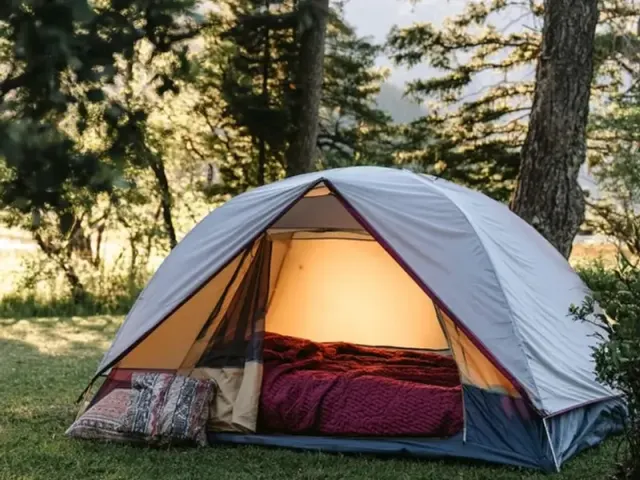
10 Tent Camping Hacks DIY for a Smoother Night Outdoors
The first time I heard rain drumming on the fly at 2 a.m., I was already awake. Not from the sound — from the drip. A cold, persistent trickle finding its way through a seam I’d ignored. That night taught me more about tent camping hacks DIY than any guide ever could. The best hacks aren’t about buying more gear. They’re about small, clever adjustments that turn a so-so setup into a solid, comfortable home for the night. Here are ten that have earned their place in my kit.

1. The Guyline Knot That Actually Stays
A flapping tent fly is a sleep killer. The problem is often the knot. Most people use a simple overhand or bowline, but those slip or jam. Use a taut-line hitch on your guylines. It grips the line under tension, holds tight in wind, and releases with one pull. Tie it around a loop or a tensioner. Practice it twice at home. You’ll never use another knot for guylines.
2. Pool Noodle Stake Protectors
Tripping over a tent stake at midnight is a rite of passage you can skip. Cut a pool noodle into 4-inch lengths. Slit each piece lengthwise and slide it over the top of every corner stake. The bright foam is visible in dim light, and it protects shins and bare feet. Bonus: it keeps stakes from sinking too deep in soft ground.
3. The Two-Person Setup Sequence for Windy Days
Wind turns tent setup into a wrestling match. The common mistake is trying to stake the whole tent at once. Instead, stake the windward corners first. Then, with one person holding the tent upright and the other feeding poles, the fabric won’t act like a sail. Once the poles are in, stake the leeward corners. This sequence cuts setup time in half and keeps the tent stable.
4. DIY Gear Loft from a Mesh Laundry Bag
Condensation is the real enemy inside a tent. Wet gear on the floor makes it worse. Clip a mesh laundry bag to the tent ceiling loops using small carabiners. Store headlamps, socks, and a water bottle in it. The mesh allows air to circulate, so items dry faster and stay off the damp floor. It’s a five-second hack that changes how you sleep.
5. Seam Sealer That Doesn’t Smell Like a Factory
Commercial seam sealers are effective but expensive and stinky. Mix clear silicone caulk with mineral spirits in a 1:1 ratio until it’s the consistency of thin paint. Brush it onto the inside of tent seams with a small foam brush. Let it cure for 24 hours in a well-ventilated area. It bonds to the nylon, stays flexible, and costs a fraction of the brand-name stuff. Test a hidden spot first.
6. The One-Piece Footprint Trick
A footprint that’s too large is worse than none. Rain runs off the fly, hits the exposed part of the footprint, and pools under your tent floor. Cut your footprint six inches smaller than the tent floor on every side. Use a sharp utility knife and a straightedge. Fold the raw edges over and tape them with duct tape to prevent fraying. Your floor stays dry.
7. Ventilation Hack for Hot Nights
When the temperature doesn’t drop, a sealed tent becomes a sauna. Prop the rain fly off the ground on one side using a trekking pole or a long stick. Then open the opposite side’s vent fully. This creates cross-breeze that pulls hot air out and cool air in. Don’t leave it open if rain is forecast, but on a clear night, it’s a game changer.
8. The Headlamp Lantern Trick
A headlamp on your forehead lights up everything except what you need to see. Turn a headlamp into a lantern by clipping it to a clear plastic water bottle. The water diffuses the light, filling the tent with a soft, warm glow. It’s bright enough to read by, but gentle enough to not blind your tentmate. Use a 1-liter bottle for the best effect.
9. Quick-Dry Towel for Condensation Wipe-Down
Morning condensation on the inner tent walls is inevitable. Keep a small, lightweight pack towel in a dedicated mesh pocket. First thing, wipe the ceiling and walls before you brush against them. This prevents water from dripping onto your sleeping bag. Hang the towel outside to dry while you eat breakfast. It takes thirty seconds and saves you from a damp start.
10. The No-Trip Cord Organizer
Tangled charging cables and headlamp straps are a tripping hazard in the dark. Use a small binder clip to attach a short piece of velcro strap to the tent wall near your pillow. Wrap each cord separately around the velcro. When you need a cable, it’s right there. No fumbling, no knots. This is especially useful when camping with kids, who tend to scatter gear everywhere.
Safety Note
Always check local fire regulations before using any stove or lantern inside or near your tent. Never leave a flame unattended. Store food in a bear-proof container or a sealed bag hung from a tree away from your sleeping area. Good judgment and a little prep keep the experience safe for everyone.
Takeaway: The best tent camping hacks DIY are the ones that solve a specific, recurring problem. Pick one or two from this list that match your biggest frustration. Try them on your next trip. Small adjustments make a big difference between a night spent fighting gear and a night spent sleeping soundly under the stars.
Frequently Asked Questions
What is the most useful DIY tent camping hack?
Making a gear loft from a mesh laundry bag. It keeps small items off the floor and reduces condensation by improving airflow around your gear.
How do I waterproof my tent seams without buying expensive products?
Mix clear silicone caulk with mineral spirits to a paint-like consistency, then brush it on the seam tape from the inside. Let it cure for 24 hours. Test a small spot first.
Can I use a tarp as a tent footprint?
Yes, but cut it at least 6 inches smaller than your tent floor on all sides, then fold and tape the raw edges to prevent fraying. A tarp that sticks out will funnel rainwater under your tent.