
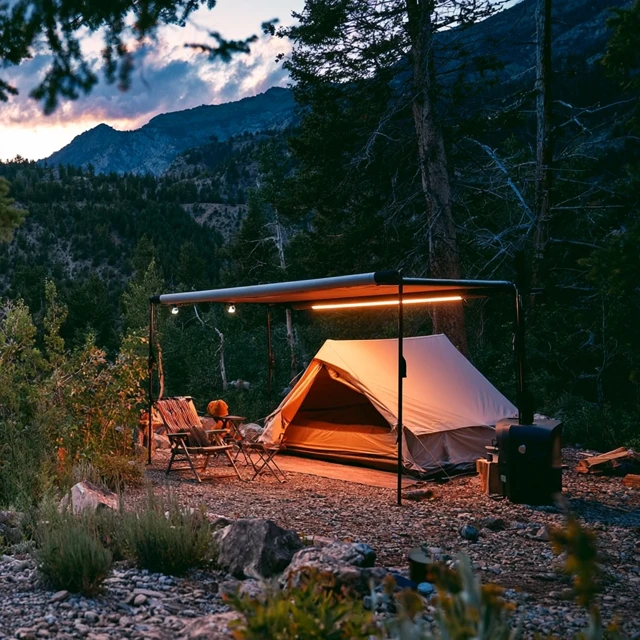
The first thing I notice when I walk up to a campsite is the tent. Not just the color or the size—but how it sits. A tent that’s sagging on one side, with the rain fly bunched up like a wrinkled shirt, tells me the pitch was rushed. A tent that’s drum-tight, with clean lines and a fly that doesn’t touch the inner walls, says the camper knows what they’re doing.

Getting that second kind of pitch isn’t about buying an expensive tent. It’s about method. Over years of setting up in rain, wind, and the occasional surprise hailstorm, I’ve developed a sequence that works every time. Here are the camping tent set up ideas that actually make a difference.
Start with the Ground, Not the Tent
Before you even unroll the tent, walk the site. Feel the ground with your feet. Look for rocks, roots, and dips. A small pebble under your sleeping pad feels like a boulder by 2 a.m. Clear everything you can, then sweep the area with a boot or a branch.
Lay down a footprint or ground cloth—slightly smaller than the tent floor. If it sticks out, rain will pool underneath and soak through. I use a cheap painter’s tarp cut to size, saved from a hardware store trip. It weighs nothing and protects the tent floor from punctures.
The Sequence That Saves Time
I always stake the corners first. Not the poles, not the center—the corners. Start with one corner, drive the stake at a 45-degree angle away from the tent. Then stake the opposite corner diagonally. Pull the fabric taut and stake the remaining two corners. This locks the tent footprint in place and keeps the floor flat.
Only then do I insert the poles. Thread them through the sleeves or clip them onto the clips, depending on your tent design. Raise the structure by pushing the poles into the grommets at the corners. If the tent has a center hub or a cross pole, do that last. The whole thing should pop up in under two minutes.
Why This Order Works
If you stake after raising the poles, the tent can shift. You end up with wrinkles in the floor and a lopsided shape. Staking first forces the tent to stay exactly where you want it. Plus, it’s easier to pound stakes into bare ground without the tent body in the way.
Rain Fly: The Make-or-Break Step
The rain fly is not a suggestion. It’s a waterproof shell that keeps you dry, but only if you pitch it right. The most common mistake I see is attaching the fly loosely. A loose fly flops in the wind, lets water pool, and can even rip the tent’s tie-out loops.
Attach the fly at all points—every corner, every loop. Then pull each strap until the fly is drum-tight. There should be a gap of at least a few inches between the fly and the inner tent. That gap is your ventilation. Without it, condensation from your breath will soak the inside of the tent by morning.
If rain is forecast, pitch the tent so the door faces away from the prevailing wind. That keeps rain from blowing in when you open the zipper. In hot weather, leave the fly off entirely unless you need shade. The mesh ceiling will catch every breeze.
Wind: Stake Like You Mean It
Wind is the great equalizer. It doesn’t care about your tent’s price tag. The trick is to use every stake loop and every guy line. Most tents come with four to six stakes. Buy a dozen. Seriously—a cheap set of extra stakes weighs nothing and can save your trip.
Drive stakes at a 45-degree angle, with the hook or notch facing away from the tent. This gives the stake maximum holding power. If the ground is sandy, use wider stakes or deadman anchors—bury a stick or a stuff sack filled with sand, tied to the stake loop. In hard or rocky ground, use nail-style stakes and a rock or mallet. Don’t be gentle. A bent stake is better than a tent in a tree.
For the rain fly, use the guy lines. Tie them to trees, rocks, or extra stakes. Pull them taut but not so tight that they warp the tent shape. In high wind, a well-guyed tent will flex and shed gusts rather than fight them.
Ventilation and Condensation Control
Even on a dry night, your breath releases about a pint of water vapor. If you seal the tent completely, that vapor condenses on the fly and drips back down. The fix is simple: open the vents. Most tents have vent flaps at the top of the fly, held open with a small stick or a dedicated pole. Use them.
In cold weather, crack the door an inch and leave the mesh zipped. In warm weather, roll the fly back on one side for crossflow. If you’re camping with kids, teach them to keep the vents open. A damp sleeping bag is a miserable start to the day.
Adapting for Different Conditions
On hot, clear nights, pitch the tent in the shade of a tree or a rock formation. The temperature difference can be five degrees or more. In the desert, dig a small trench around the tent to channel any rare rain away from the floor—but only if regulations allow it. Never dig trenches in established campsites.
For cold weather, use a closed-cell foam pad under your air mattress. It adds R-value and stops the cold ground from sapping your heat. Also, pitch the tent on a slight rise if possible. Cold air sinks, so a low spot will be noticeably colder by dawn.
Camping with kids? Let them help with the stakes and poles. It’s a great way to teach them the sequence. I always give each child a specific job—hold this corner, hand me that stake. It keeps them engaged and speeds up the process. Just watch little fingers near the poles; they can snap shut unexpectedly.
Safety Notes Worth Repeating
Never use camp stoves, lanterns, or heaters inside a tent. Carbon monoxide is odorless and deadly. Cook outside, at least 10 feet from the tent. Store food in a bear-proof container or hang it in a bear bag away from your sleeping area. And always fully extinguish your campfire before turning in—douse it with water, stir the ashes, and douse again until it’s cool to the touch.
The Takeaway
A solid tent pitch is the foundation of a good camping trip. Stake the corners first, raise the poles second, and tension the rain fly last. Use all the stakes and guy lines you have. Ventilate every night. Adapt to the weather and the ground. These camping tent set up ideas aren’t flashy—they’re just the ones that work. Try them on your next trip, and you’ll feel the difference the moment you zip yourself in for the night.
Frequently Asked Questions
How do I keep my tent from blowing away in wind?
First, pitch with the narrow end facing the wind. Use all stake loops and drive stakes at a 45-degree angle away from the tent. Add extra guy lines to the rain fly loops—especially the ones at the top and side panels. In persistent wind, run a separate line from the windward side to a tree or heavy rock.
Should I put the rain fly on right away?
Only if rain is imminent or the sun is intense. Otherwise, leave it off to let the mesh breathe and keep condensation down. If you do put it on, pull it taut so it doesn’t flap against the tent body—flapping wears out the fabric and lets water seep through.
What‘s the best way to set up a tent on rocky or hard ground?
Use heavier, thicker stakes—nail-style stakes or titanium skewers work best. Look for cracks in the rock to wedge stakes into, or use large rocks to hold down stake loops. Avoid bending your stakes by hammering at a shallower angle; sometimes you have to go straight down.