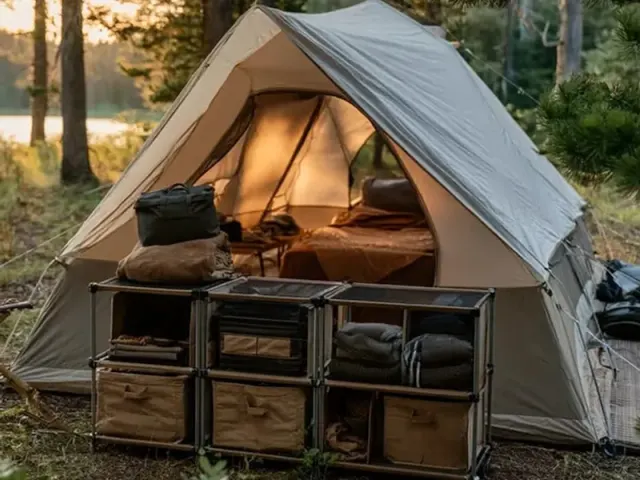
Tent Camping Organization Ideas That Actually Work in the Field
The first time I unzipped my tent after a long hike and found everything in its place—sleeping bag fluffed, headlamp hanging by the door, stove fuel tucked safely away—I knew I had cracked the code. Tent camping organization isn't about being neat for neat's sake. It's about saving time, reducing frustration, and keeping your gear dry and functional when the weather turns. Let me walk you through the system that has saved me more headaches than I can count.

Start Before You Leave: The Packing Triad
I pack my tent gear in three distinct categories: sleep, shelter, and support. Each goes into its own dry bag or compression sack. Sleep includes my sleeping bag, pad, and a small pillow. Shelter holds the tent body, fly, poles, and stakes. Support covers everything else: stove, fuel, food, first aid, and tools. This triad means I can set up camp without digging through every bag. When rain hits, I grab the shelter bag first and get the tent up before anything else gets wet.
Common Mistake to Avoid
Don't mix wet and dry gear. If you pack a damp tent with your sleeping bag, you'll wake up cold. I always air out my tent before packing, and I carry a separate dry bag for anything that might be damp at the end of a trip.
Inside the Tent: Zones for Sanity
Once the tent is up, I create four zones: sleep, storage, entry, and wet gear. The sleep zone is at the farthest end from the door. The storage zone goes along one side wall, using clear plastic bins or mesh bags. The entry zone is just inside the door—this is where I drop shoes, a headlamp, and a water bottle. The wet gear zone is a small mesh bag hung from the tent ceiling near the door, perfect for damp socks, towels, or a rain jacket. This system keeps the floor clear and prevents me from tripping over gear when I get up at night.
The Hanging Game Changer
I use a lightweight hanging organizer that clips to the tent's interior loops. It has pockets for glasses, phone, sunscreen, and a tiny flashlight. This one item has eliminated the frantic midnight search for a headlamp more times than I can recall. If your tent lacks loops, adhesive hooks work well—just test them on a small spot first.
Camp Kitchen: Keep It Separate and Simple
I never cook inside the tent. Carbon monoxide is invisible and deadly, and food smells attract wildlife. Instead, I set up a kitchen area at least 15 feet downwind from the tent. A small foldable table holds my stove, and I use a plastic bin with a lid for utensils, spices, and cooking oil. A second bin holds food in sealed containers. At night, everything food-related goes into a bear-proof container or hangs from a tree branch at the required height and distance for the area.
One Trick That Saves Time
Pre-measure dry ingredients for each meal into separate zip-close bags. Label them with a permanent marker. When dinner time comes, I just open the bag, add water, and cook. No measuring, no spills, and no extra cleanup. This works especially well for oatmeal, rice, and pasta dishes.
Weather Adaptations: Wind, Rain, and Heat
In windy conditions, I stake the tent corners first and use extra guy lines. I store heavy gear like a cooler and water jugs inside the tent's vestibule to add weight and stability. For rain, I set up a tarp over the kitchen area and keep all gear in waterproof bags. In hot weather, I leave the tent fly off until just before bed, and I store my sleeping bag loose in a mesh sack to let it breathe. The key is to adapt your organization to the conditions—what works in calm weather may fail in a storm.
Camping with Kids: Simple Systems That Stick
When I camp with kids, I give each child a small personal bin for their own gear: a flashlight, a book, a water bottle, and a snack. They learn to keep it in their designated corner. This reduces lost items and gives them ownership over their space. I also use a brightly colored rope tied between two trees as a clothesline for wet towels and swimsuits—keeps damp stuff out of the tent entirely.
Safety Notes Worth Repeating
Always store food in a vehicle or bear-proof container when not in use. Never leave a camp stove unattended. Keep a small fire extinguisher or a bucket of water near the cooking area. And check local regulations for fire bans and wildlife guidelines before you go.
The Takeaway: Tent camping organization is about building a system that works for you, not about having the fanciest gear. Start with the packing triad, create zones inside the tent, keep your kitchen separate, and adapt to the weather. Your tent will feel bigger, your mornings will be smoother, and you'll spend less time searching and more time enjoying the quiet of the woods.
Frequently Asked Questions
What is the best way to organize gear inside a tent?
I always use a system of clear storage bins and hanging organizers. Keep sleeping gear in one corner, clothes in another, and use a mesh pocket organizer near the door for small essentials like headlamps and phones. This prevents clutter and makes everything easy to find.
How do I organize a camp kitchen for tent camping?
Set up a dedicated kitchen area away from the tent, using a foldable table and stackable bins. Keep utensils in a hanging organizer, store food in airtight containers, and use a separate bin for stove and fuel. Always store food in a bear-proof container or vehicle at night.
What are some tent camping hacks for keeping gear dry?
Use dry bags for clothes and sleeping bags, even inside the tent. Place a waterproof groundsheet under the tent, and keep a small towel near the door to wipe down wet gear. I also hang a small mesh bag for wet items like socks and towels.