
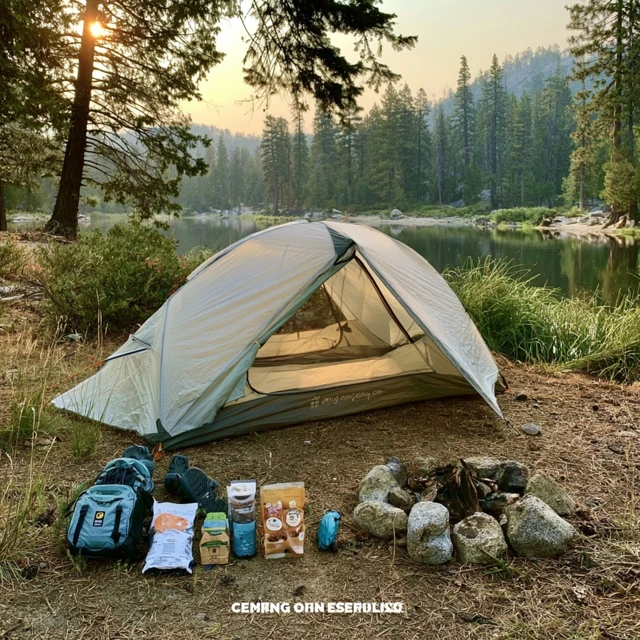
The first time I draped a fleece blanket over the tent’s center pole, it sagged, slipped, and ended up in a heap on my sleeping bag. That’s when I realized a tent living room blanket fort needs more than just a good idea—it needs a method that works with the tent’s geometry and the realities of camping. Here’s how I build one that stays put, feels like a cozy den, and doesn’t fight the tent’s structure.

Why a Blanket Fort Inside a Tent Works
A tent is already a shelter, but adding a blanket fort transforms the space. It creates a visual and physical boundary that makes the interior feel like a separate room. Kids love it, and adults appreciate the coziness. The key is to use the tent’s existing features—poles, guylines, and the fly—as the fort’s skeleton. This isn’t about building a free-standing structure; it’s about layering and tension.
The One Trick That Changes Everything
Here’s the specific angle you won’t find on other sites: use a taut clothesline as the fort’s ridge beam. Most people try to drape blankets directly over tent poles, which leads to sagging and collapsed corners. Instead, string a lightweight nylon clothesline (the kind with a built-in tensioner) between two opposite tent poles at the height you want the fort’s ceiling. Tie it securely to each pole, then pull it taut. Drape your blanket over this line. The line holds the blanket’s weight evenly, and the tension keeps it from sliding down. This method works in both dome and cabin tents.
Materials That Work Best
Stick with lightweight, non-bulky blankets. A heavy comforter will pull the clothesline down. I use a thin fleece throw or a packable down blanket. For the base, a sleeping pad or a foam mat works better than a tarp—it’s softer and less crinkly. String lights (battery-powered LED only, never with bare wires) add warmth without heat. Clothespins or small binder clips secure the blanket edges to the clothesline. Avoid anything metal that could scratch tent poles.
Step-by-Step Setup
Start by pitching your tent fully, including guylines. This gives you a stable frame. String the clothesline between two tent poles about shoulder height when seated. Tie a simple knot, then use the tensioner to pull it tight. The line should be straight, not sagging. Drape the blanket over the center of the line, letting it fall evenly on both sides. Use clothespins to clip the blanket’s top edge to the line at three points: the center and each end. This prevents the blanket from bunching. For the sides, tuck the blanket edges under sleeping pads or stuff sacks to hold them in place. If the tent has a gear loft, you can clip the blanket to its loops for extra stability.
Adding a Second Layer
For a darker, more enclosed feel, add a second blanket over the first, offset by a few inches. This creates an overlapping seam that blocks more light. Use the same clothesline technique. If you don’t have a second blanket, a dark-colored rain jacket or a poncho works in a pinch.
Adapting for Weather and Kids
If it’s windy, lower the clothesline to just above head height when sitting. A lower profile catches less wind and keeps the fort stable. In hot weather, use a light-colored, breathable fabric like a cotton sheet. In cold weather, add a reflective emergency blanket as the top layer—it traps heat without adding weight. Camping with kids? Let them choose the blanket colors and help with the clothespins. The fort becomes their space, which makes bedtime easier. Just keep the clothesline out of reach of toddlers to avoid tripping.
Common Mistake to Avoid
Don’t attach the blanket directly to the tent fly or inner tent walls. The fly is meant to shed water, and any puncture or added weight can compromise its performance. The inner tent walls are thin and not designed for load-bearing. Stick to the tent poles and the clothesline. Also, never use a camp stove, heater, or candle inside the fort. Carbon monoxide is invisible and deadly. Battery-powered lights only.
Takeaway
A tent living room blanket fort doesn’t have to be a floppy mess. With a taut clothesline as the ridge beam, lightweight blankets, and a few clothespins, you get a cozy nook that stays up all weekend. It’s a small setup that changes how the tent feels—from a place to sleep to a space to live in.
Frequently Asked Questions
Will a blanket fort damage my tent?
Not if you use soft clips or clothespins to attach blankets to the tent poles or a clothesline. Avoid adhesive hooks or anything sharp that could puncture the tent fabric. Always check the tent’s weight rating if you’re hanging anything heavy.
What if it rains while I have a blanket fort set up?
Rain can add weight and moisture. Use a waterproof blanket or tarp as the top layer, and make sure the fort doesn’t block tent ventilation. If rain is heavy, consider taking down the fort to prevent condensation buildup inside the tent.
How do I keep the fort from collapsing?
Use a center support—either a trekking pole or a taut clothesline—to create a ridge. Drape the blanket over it and secure the corners with tent stakes or heavy gear bags. This method holds up even in light wind.
Can I use a blanket fort in a small tent?
Yes, but keep it compact. Focus on one corner or the foot of the sleeping area. Use a single lightweight blanket draped over a clothesline strung between two tent poles. This creates a cozy nook without taking up too much space.