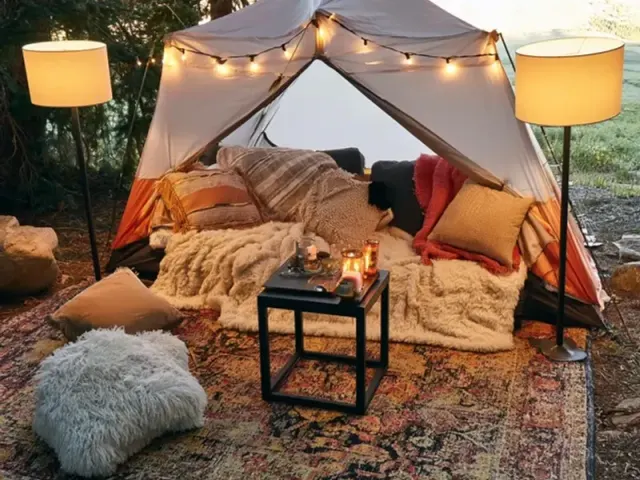
Tent Camping Essentials Checklist: Gear I Never Skip
The first time I pitched a tent in a steady drizzle, I learned the difference between a checklist and a good checklist. Rain beaded on the fly, but the ground underneath stayed dry because I’d laid a footprint—cut four inches smaller than the tent floor so water wouldn’t pool. That’s the kind of detail that turns a soggy night into a sound sleep. This tent camping essentials checklist isn’t just a list of items. It’s the method behind each piece, the small tricks that make the gear work harder, and the safety notes that keep you comfortable no matter the weather.

The Shelter System: More Than Just a Tent
Your tent is the heart of camp. But it’s only as good as what you put under and over it. Start with a footprint or ground cloth. Cut it to match the tent floor minus four inches on each side. That gap prevents water from wicking up between the footprint and the tent. A common mistake is using a tarp that’s too large—it collects rain and channels it right under your sleeping bag. Instead, use a purpose-cut footprint or a lightweight painter’s drop cloth trimmed to size.
Next, choose your stakes wisely. For soft soil, use 6-inch shepherd’s hook stakes. For sandy or loose ground, opt for wider, corkscrew-style stakes. Drive them at a 45-degree angle away from the tent, and push them in until the hook is flush with the ground. This holds better in wind than straight-down stakes. Always stake out the corners first, then the guylines. In high wind, add extra stakes to the fly’s midpoints—this keeps the fly taut and reduces flapping noise.
For rain, pitch your tent on a slight slope so water runs away from the door. If you’re on flat ground, dig a small trench around the tent’s perimeter—only if local regulations allow it. Most parks don’t, so instead, use a tarp above the tent. Set up a ridgeline between two trees, drape the tarp over it, and stake the corners out wide. This gives you a dry area to cook and store gear without cramping the tent interior.
Sleep System: Warmth and Comfort Without the Bulk
A sleeping bag alone won’t keep you warm. You need insulation from the ground. Use a sleeping pad with an R-value that matches the season. For summer camping, an R-value of 2 works fine. For spring or fall, aim for 4 or higher. I use a closed-cell foam pad under an inflatable pad. The foam adds R-value and protects the inflatable from punctures. It also costs almost nothing and weighs little.
Match your sleeping bag’s temperature rating to the expected low, then add 10 degrees. If the forecast says 40°F, bring a bag rated for 30°F. For extra warmth, layer a wool blanket inside the bag. Wool retains heat even when damp. Avoid cotton—it chills when wet and takes forever to dry. Also, wear a dry hat and socks to bed. You lose a lot of heat through your head and feet.
One trick I use: inflate my pad halfway, lie down, then add more air until I feel the ground pressure even out. Overinflated pads are lumpy and cold. Underinflated ones let your hips touch the ground. The sweet spot is firm enough that your hip doesn’t sink, but soft enough to contour to your body.
Kitchen and Food Safety
Cooking at camp is simple if you keep it organized. A two-burner propane stove is reliable, but a single-burner backpacking stove works for smaller setups. Always cook at least 10 feet from your tent. Propane and butane stoves produce carbon monoxide—never use them inside a tent or enclosed vestibule. Even with the door open, the risk is real. I bring a small wind screen (a cut aluminum baking sheet) to shield the stove on breezy days. This saves fuel and cooks food faster.
Store food in a bear canister or a hard-sided cooler locked in your vehicle—never inside the tent. The smell attracts raccoons, mice, and bears. Even if bears aren’t common in your area, a raccoon tearing through your pack at 2 a.m. is no fun. Use a dry bag for trash and hang it from a tree branch at least 10 feet off the ground and 4 feet from the trunk. This keeps critters from climbing down to it.
For water, bring at least one gallon per person per day. More if it’s hot or you’re hiking. A collapsible water jug with a spigot makes dispensing easy. I also carry a lightweight water filter—like a squeeze filter—for refilling from streams or lakes. Boiling works too, but a filter is faster and doesn’t require fuel.
Lighting and Power
Headlamps are non-negotiable. They free your hands for setting up camp, cooking, or midnight bathroom trips. Bring one per person, plus extra batteries. I prefer headlamps with a red light mode—it preserves night vision and doesn’t attract bugs as much. For tent lighting, a small lantern with a diffuser works. Hang it from the tent’s center loop using a carabiner. Avoid hanging it from the fly—it can tear the fabric in wind.
For power, a 10,000 mAh power bank charges a phone twice. Keep it in your sleeping bag at night to prevent battery drain from cold. Solar panels are slow and unreliable under tree cover. Stick with a power bank for short trips.
Safety and Comfort Extras
A first-aid kit is essential, but customize it. Add blister pads, antihistamines for allergies, and ibuprofen. I also carry a small roll of duct tape wrapped around a pencil—it fixes tent poles, patches holes, and seals food bags. A multi-tool with pliers and a knife handles most repairs.
For weather, check the forecast before you leave and again at the trailhead. If thunderstorms are likely, avoid ridgetops and open fields. Pitch your tent in a low area but not in a dry creek bed—flash floods can happen fast. During a storm, stay off the ground if possible; lightning can travel through wet soil. Sit on your sleeping pad or a dry log.
Lastly, pack a whistle. Three short blasts is the universal distress signal. If you get lost or injured, it carries farther than shouting and doesn’t tire your voice.
Takeaway
This tent camping essentials checklist is built on technique, not just gear. A footprint cut four inches smaller, stakes at 45 degrees, a sleeping pad with the right R-value, and cooking 10 feet from the tent—these details turn a checklist into a system. Pack smart, stay dry, and sleep warm. That’s the real goal.
Frequently Asked Questions
What is the most important item on a tent camping essentials checklist?
A reliable tent that suits your conditions is key, but the most overlooked essential is a proper footprint or ground cloth. It protects your tent floor from punctures and moisture, adding years to your tent's life.
How do I pack a tent camping essentials checklist for rain?
Add a tarp large enough to cover your tent and a small tarp for a cooking area. Pack a dry bag for clothing and use seam sealer on your tent fly. Stake everything down well to prevent pooling.
What should I bring for sleeping comfortably while tent camping?
A sleeping pad with an R-value appropriate for the season—at least 2 for summer, 4+ for cold weather. Pair it with a sleeping bag rated 10-15 degrees lower than the expected low temperature. A wool blanket adds warmth without bulk.