
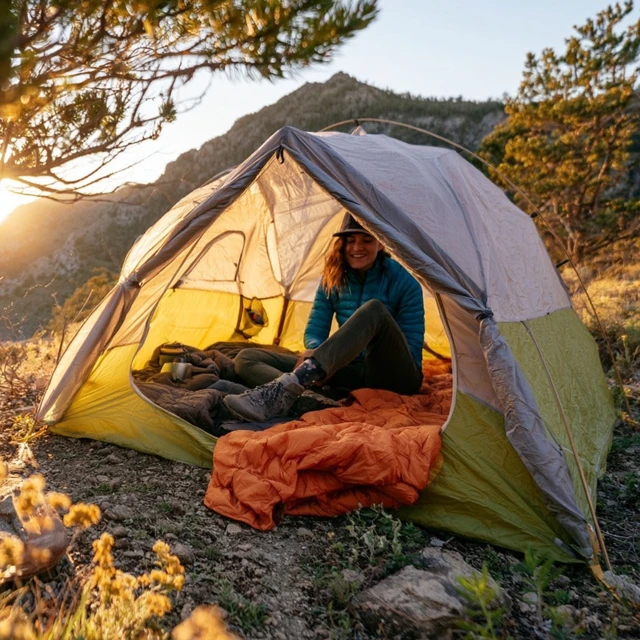
The first thing I notice when I unzip my tent after a long drive is the smell. Not pine or campfire—that comes later. It’s the faint must of nylon and mesh that’s been packed too long. That scent means I’m about to spend two nights under a tarp of my own making. And if I forget one critical piece, the whole weekend unravels.

Weekend tent camping is a balancing act. You want comfort without hauling your entire home. You want safety without paranoia. Over the years, I’ve refined a list of essentials that go beyond the obvious—things that save a trip when the weather turns or the ground gets hard. Here’s what I pack, and why.
The Layering System for Sleep
Most people grab a sleeping bag and call it done. I build a sleep system in layers. Start with a groundsheet—a simple polycro or Tyvek sheet cut a few inches smaller than the tent floor. That prevents water from seeping through the tent bottom. Next, a closed-cell foam pad for insulation and puncture protection. On top, an inflatable sleeping pad with an R-value of at least 4 for three-season camping. I add a fleece blanket inside my sleeping bag on cold nights.
Why this matters: On a weekend trip, you don’t have time to recover from a bad night’s sleep. Cold ground saps warmth fast. A single pad often isn’t enough. I’ve tested this on rocky ground in 40°F nights—the foam pad plus inflatable kept me warm while my buddy on just an inflatable shivered. The common mistake is thinking a thick sleeping bag alone will save you. It won’t if the ground is leaching heat.
Pitching for Wind and Rain
I always stake the corners first, then the vestibules, then the guylines. Most weekenders skip guylines. That’s the mistake. A gust of wind can flatten a tent that’s only corner-staked. I use reflective guylines—they’re cheap and prevent tripping in the dark. For rain, I pitch the tent with the back to the prevailing wind. That keeps rain from blowing into the mesh door. I also carry a small tarp (8×10 feet) to hang over the tent if heavy rain is forecast. It reduces condensation and adds a second layer of protection.
Common Setup Mistake
Don’t pitch your tent in a low spot. Water flows downhill. I always check the ground for dips or runoff paths. Even a slight depression can become a puddle after an hour of rain. Walk the site before you unpack.
The Camp Kitchen: Less Is More
For a weekend, I bring a single-burner propane stove, a 1.5-liter pot, a spork, and a lightweight mug. That’s it. I prep meals at home: pre-chopped veggies, vacuum-sealed meat, and instant rice or pasta. No bulky cooler needed if you use shelf-stable ingredients. But here’s the trick I haven’t seen elsewhere: I freeze a bottle of water and use it as a cold pack in my food bag. It thaws by day two and becomes drinking water. No waste, no extra gear.
Safety note: Never use a camp stove inside a tent. Even with ventilation, carbon monoxide builds up fast. Cook outside, at least 10 feet from the tent entrance.
Lighting and Power
A headlamp is non-negotiable. I wear it around my neck when not on my head—it’s less likely to get lost. I bring two: one for use, one as backup. For ambient light, a small rechargeable lantern with a dimmable setting. I hang it from the tent’s center loop. That avoids knocking it over. For power, a 10,000 mAh power bank charges my phone twice. I keep it in a dry bag inside my sleeping bag on cold nights—batteries drain faster in the cold.
Ventilation and Condensation Control
Condensation is the silent weekend killer. Your breath, cooking, and damp gear all release moisture. By morning, the inside of your tent can be dripping. I open all vents fully at night, even if it’s cold. The mesh door should be unzipped to the halfway point for airflow. I also hang wet clothes on a line under the vestibule—never inside the sleeping area. A small microfiber towel wipes down tent walls before packing.
Safety and Wildlife Food Storage
Store all food, toiletries, and trash in a bear canister or hard-sided cooler locked in your vehicle. Never inside the tent. The smell attracts raccoons, bears, and rodents. I keep a small whistle and a first-aid kit in a mesh pocket near the door. For fire safety, I only build fires in designated rings and douse them with water until the ashes are cool to the touch. Check local fire bans before you go.
The Takeaway
Weekend tent camping essentials aren’t about buying the most gear. They’re about choosing pieces that work together. A layered sleep system, a smart pitch, a minimal kitchen, and a plan for condensation and safety. That’s what makes a weekend feel like a real escape—not a survival test. Pack light, but pack with purpose. Your back and your sleep will thank you.
Frequently Asked Questions
What is the most overlooked weekend tent camping essential?
A groundsheet or footprint that extends just beyond the tent floor. Many campers skip this, but it prevents moisture seeping in from below and protects the tent floor from punctures. I always cut mine a few inches smaller than the tent to avoid water pooling under the floor.
How do I keep my tent cool during a hot weekend?
Set up in the shade if possible, use a reflective tarp over the tent, and open all vents and doors for cross-breeze. I also place a battery-powered fan near the mesh door—it pulls in cool night air without letting bugs in.
What is the safest way to store food in a tent campsite?
Never store food inside the tent—it attracts bears and rodents. Use a bear canister or a hard-sided cooler locked in a car, and keep it at least 100 feet from your sleeping area. Hang food bags only if local regulations require and you have a proper bear bag kit.