
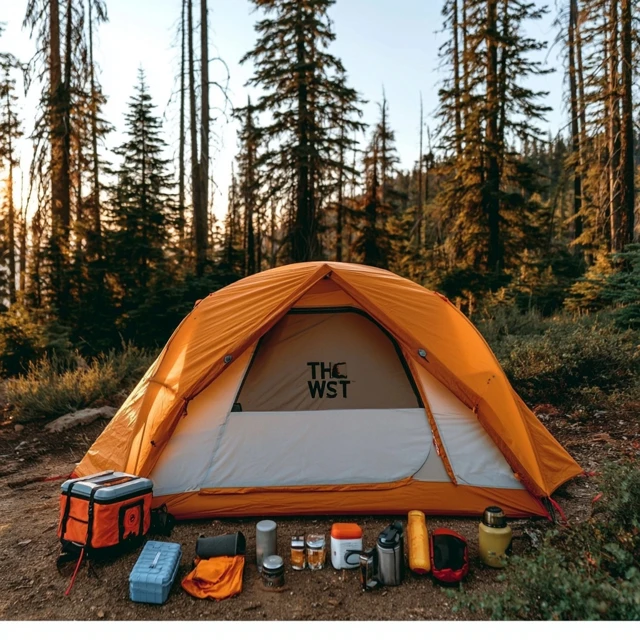
The first time I unrolled a tent in a steady drizzle, I learned something fast: a checklist is only as good as the thought behind it. You can pack a trunk full of gear and still shiver through the night because you forgot a ground tarp or brought the wrong stakes. This isn’t just a list of stuff. It’s a method for arriving at camp ready for wind, rain, cold, or heat — without hauling half your closet.

The Shelter System: More Than a Tent
Your tent is the centerpiece, but it’s the system around it that keeps you dry. Start with a ground tarp or footprint. Cut it a few inches smaller than the tent floor — if it sticks out, rain will pool under the tent and soak the floor. I cut mine two inches inside the footprint on each side.
Next, the rainfly. A full-coverage fly that reaches the ground is non-negotiable for any forecast with rain. Stake it out taut, and angle the stakes away from the tent at 45 degrees for maximum hold. Common mistake: leaving the fly loose so it flaps. That flapping pulls stakes loose and lets water in under the edges.
Stakes matter more than you think. Standard aluminum Y-stakes work for soft soil, but if you camp on sand or gravel, bring 8-inch steel stakes or snow stakes. I carry a mix: six aluminum for the tent body, four heavy-duty for the fly corners. For windy sites, add two extra guylines to the fly’s midpoint loops and stake them out at a 90-degree angle from the tent.
Sleep System: Warmth and Comfort
A sleeping bag is only as warm as the insulation underneath it. An inflatable sleeping pad with an R-value of 4.0 or higher will keep you warm down to freezing. For summer, a 2.0 R-value pad is enough. I always inflate my pad fully and check for leaks the night before I pack — nothing ruins a trip like waking up on cold ground.
For the bag itself, match the temperature rating to the coldest night you expect, then add 10 degrees. A 20-degree bag works for most three-season camping. If you sleep cold, add a liner. It adds 5-10 degrees of warmth and is easier to wash than the bag.
Pillows? I use an inflatable camp pillow. It packs to the size of a soda can and supports my neck better than a bundled jacket. A stuff sack full of soft clothes works in a pinch, but a dedicated pillow is worth the weight for real sleep.
Lighting and Navigation
Headlamps are the single most useful light source for camping. I keep one on my head and one in my pack as backup. Choose one with a red light mode — it preserves night vision and won’t blind your tentmate when you get up to pee at 3 a.m.
A lantern is optional but nice for the tent interior. I use a small, dimmable LED lantern that hangs from the tent’s center loop. It creates ambient light for reading or organizing gear without the harsh beam of a headlamp. For safety, never use a fuel-burning lantern inside a tent — carbon monoxide builds up fast in an enclosed space.
Navigation is more than a phone. A paper map and a simple compass are lightweight insurance. If your phone dies or loses signal, you still need to find the trailhead. I keep both in a zip-top bag in my pack’s lid pocket.
Kitchen and Food Storage
A camp stove with a full fuel canister is the backbone of hot meals. I use a small isobutane stove that screws directly onto the canister — simple, reliable, and packs inside my cook pot. Always cook at least 10 feet from your tent, and never inside. The flame is invisible in daylight, and spilled fuel can melt tent fabric.
Food storage is about wildlife safety, not just convenience. In bear country, use a bear canister or an approved hang system. Even in non-bear areas, raccoons and mice will chew through a backpack for a granola bar. Store all food, toiletries, and trash in a sealed container or bag and keep it away from your sleeping area. I use a dry bag with a roll-top closure — it’s waterproof and critter-resistant.
Water is the heaviest thing you carry. I bring a 2-liter hydration reservoir for hiking and a 1-liter collapsible bottle for camp. A water filter or purification tablets let you refill from streams or lakes. Check local water quality reports before you go — some areas have heavy mineral content that clogs filters quickly.
Clothing and Weather Layers
Cotton kills in the backcountry. It stays wet, saps body heat, and takes forever to dry. I pack only synthetic or wool base layers, a fleece mid-layer, and a waterproof shell. That three-layer system handles everything from a sunny afternoon to a cold rain.
For sleeping, I bring a dedicated pair of dry socks and a lightweight beanie. Even if I sweat during the day, I change into these before bed. Cold feet and a bare head will rob heat faster than anything.
Rain gear is non-negotiable. A jacket with taped seams and a waterproof rating of at least 5,000mm will keep you dry in a steady downpour. Pair it with rain pants if you expect to be out in the rain for more than 20 minutes. I learned the hard way that a rain jacket alone leaves your thighs soaked from brushing against wet bushes.
Tools and Repair
A multi-tool or a simple folding knife handles most small tasks: cutting cord, opening food packages, trimming a frayed stake loop. I carry a small one with pliers, a knife blade, and a screwdriver.
Duct tape wrapped around a water bottle or a pencil is the ultimate field repair. It patches a tent tear, secures a broken pole splint, or seals a leaking food bag. I keep about three feet wrapped around my trekking pole handle.
A repair kit for your specific tent — a pole splint, a patch of tent fabric, and a spare stake — takes up almost no room. I store mine in a small zippered pouch inside the tent bag. When a pole snaps in high wind, you’ll be glad you have it.
Two Small Items That Save the Trip
First: a small, lightweight trowel for digging a cathole. It’s required in most backcountry areas and keeps the site clean. Second: a pack of zip-top bags in various sizes. They organize gear, keep electronics dry, and double as trash bags. I use a gallon-size bag for my first-aid kit and a quart-size for my headlamp and compass.
Takeaway
A tent camping essentials list is not a shopping list. It’s a system built around your specific trip: the weather, the terrain, the length of stay, and who’s coming with you. Start with the shelter, sleep, and kitchen basics, then add layers for conditions. Pack the repair kit and the small tools. Test your gear before you leave — inflate the pad, pitch the tent in the backyard, light the stove. The best camping hack is knowing your gear works before you need it. Now go find a good spot and sleep under the stars.
Frequently Asked Questions
What is the single most important item on a tent camping essentials list?
A properly sized ground tarp or footprint. It protects your tent floor from punctures and moisture, and it extends your tent’s life more than any other accessory. Cut it a few inches smaller than the tent floor so it doesn’t collect rainwater.
Should I bring a camp pillow or can I use a stuff sack?
A stuff sack filled with clothes works in a pinch, but a dedicated inflatable or foam camp pillow is worth the weight. Your sleep quality directly affects your next day’s energy. I use a small inflatable pillow that packs down to fist-size.
How do I keep my tent dry in heavy rain?
First, pitch on high ground with a slight slope for runoff. Use a full-coverage rainfly that extends past the tent edges. Stake the fly taut and open vents to reduce condensation. A dry tent starts with site choice and tight setup.