
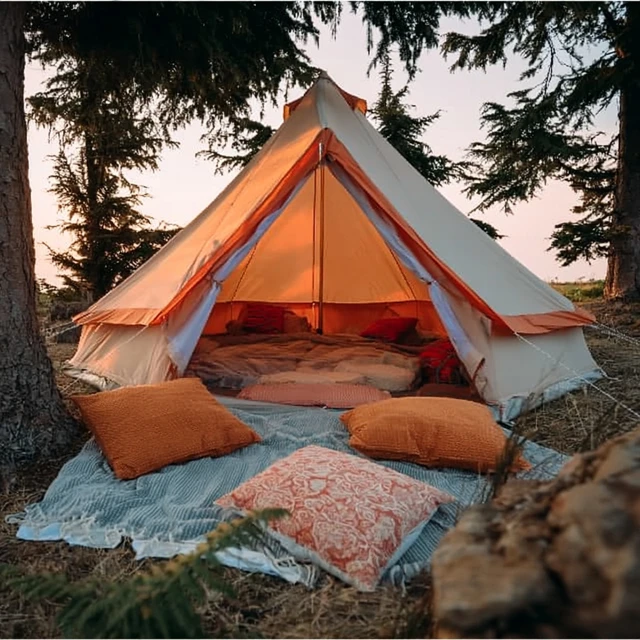
The first time I pitched a tent in my living room, the whole room changed. The tent became a castle, a spaceship, a hideout. Sleepover tents aren’t about roughing it — they’re about creating a small, magical world where kids (or adults!) can giggle, whisper, and fall asleep under a canopy of fabric. Whether you’re setting up in the backyard or the family room, the right technique makes all the difference between a night of fun and a night of fidgeting.

Choosing the Right Tent for the Space
For a sleepover, size matters more than you might think. A 4-person dome tent works well for two to three kids — it gives them room to sit up, spread out sleeping bags, and keep a small lantern in the center. If you’re hosting four or more, step up to a 6-person cabin-style tent. The near-vertical walls of a cabin tent mean more usable headroom, which helps when everyone wants to play cards or read comics before lights out.
One trick I always use: set up the tent in the space first, before the guests arrive. This lets you check for fit. In a living room, measure the floor area and make sure the tent poles won’t scrape the walls or furniture. In the backyard, choose a flat, level spot free of rocks and roots. Clear the ground of anything sharp — a hidden acorn can turn a cozy night into a restless one.
Indoor vs. Outdoor Setup: Key Differences
Indoor Sleepover Tents
Setting up indoors is simpler, but a few details matter. Lay a clean tarp or an old flat sheet under the tent to protect carpets from dirt and moisture. Leave the rainfly off — you don’t need it inside, and removing it improves airflow dramatically. Open the tent’s mesh windows fully. Even indoors, tents can get stuffy with a few warm bodies inside. Crack a nearby window to keep fresh air moving.
For lighting, skip anything that uses a flame. Battery-powered LED lanterns or a string of fairy lights clipped along the tent’s ceiling beam create a warm glow without any fire risk. I like to use a lantern with a dimmer switch — bright for games, dim for winding down.
Backyard Sleepover Tents
Outdoors, you need to think about weather and ground moisture. Stake the tent down even if it seems calm — a breeze at midnight can send a loose tent tumbling. Use the rainfly only if rain is in the forecast; otherwise, leave it off for ventilation. If the ground is damp, add a groundsheet under the tent floor. A foam camping pad under each sleeping bag adds insulation from the cold earth.
One mistake I see often: pitching the tent in a low spot where water can pool. Walk the area after a heavy rain or check the forecast. If there’s any chance of wind, orient the tent’s narrow end into the wind — it reduces flapping and noise.
Making the Tent Cozy and Fun
The magic of a sleepover tent comes from the details inside. Start with the floor. A soft rug or extra blankets on the tent floor trap warmth and feel nicer than bare nylon. Layer sleeping bags over foam pads — the pads prevent the cold from seeping up through the ground. Add pillows, lots of them. A mix of firm and soft pillows lets everyone prop up for stories or lie flat for sleep.
For activities, keep it simple. A deck of cards, a small board game, or a flashlight for shadow puppets goes a long way. Clip a book light to the tent ceiling so kids can read without straining their eyes. Avoid snacks inside the tent — crumbs attract ants and other critters, especially outdoors. If you must snack, stick to dry crackers or fruit and clean up immediately.
Safety Notes for a Worry-Free Night
Safety is straightforward but essential. Never use a camp stove, heater, or any fuel-burning device inside a tent — carbon monoxide can build up quickly and is deadly. For warmth, use extra blankets or a hot water bottle in a sealed container. Keep the tent’s door unzipped enough for easy exit, and make sure everyone knows how to unzip it from the inside.
For backyard tents, check the weather before setup. If strong winds or thunderstorms are predicted, move the sleepover indoors. Secure all guylines and stakes so no one trips during nighttime bathroom runs. Store any food or scented items in a sealed cooler away from the tent — even in a backyard, raccoons or neighborhood pets may investigate.
Adapting for Different Ages and Groups
For younger kids, keep the tent in a room near the bathroom and an adult’s bedroom. Set up a small nightlight outside the tent so the path is visible. For older kids or adults, a backyard tent can feel more adventurous — just make sure everyone has a headlamp or flashlight for late-night trips to the house.
If you’re mixing ages, assign sleeping spots by preference: the kid who wants to stay up latest near the door, the one who falls asleep first in the quietest corner. This small arrangement prevents midnight squabbles.
The best sleepover tents aren’t about fancy gear — they’re about thoughtful setup. A well-pitched tent, the right bedding, and a few simple activities turn an ordinary night into something memorable. And when the last giggle fades and everyone drifts off, the tent holds that quiet warmth until morning.
Frequently Asked Questions
What size tent is best for a sleepover?
For two to three kids, a 4-person tent gives enough room for sleeping bags and a small lantern. For four to six, go with a 6-person dome or cabin tent so everyone can sit up and spread out without feeling cramped.
Can I set up a tent indoors for a sleepover?
Absolutely. A 4-person dome tent fits in most living rooms or playrooms. Lay a tarp or old sheet underneath to protect floors, and leave the rainfly off for better airflow.
How do I keep a sleepover tent from getting stuffy?
Open the tent’s mesh windows and doors fully. If it’s indoors, crack a nearby window. For backyard sleepovers, pitch the tent in a spot with a light breeze and avoid using the rainfly unless rain is forecast.
What are good lighting options for a sleepover tent?
Battery-powered LED lanterns or fairy lights on a string are safe and cozy. Avoid candles or any open flame. Clip a small book light to the tent ceiling for reading.
How can I make a sleepover tent more comfortable?
Layer foam mats or camping pads under sleeping bags for cushioning. Add soft pillows and fleece blankets. A small rug inside the tent helps keep warmth in and feels nicer underfoot.