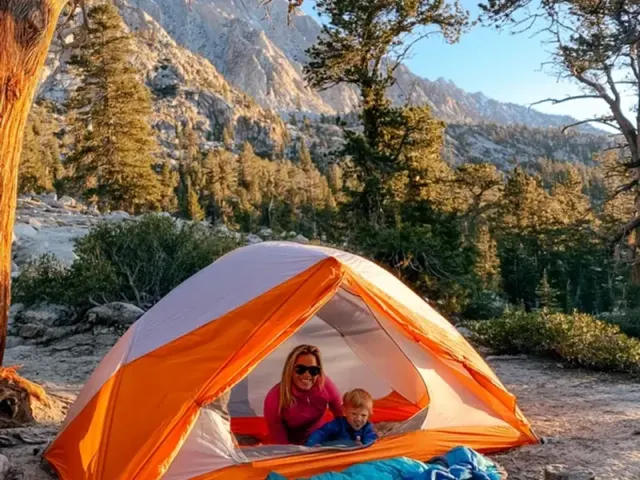
Tent Camping Ideas with Kids: Setup & Gear Tips
Rain patters on the fly as your youngest zips the tent door shut for the third time. The smell of damp pine needles mixes with the faint sweetness of a camp stove heating cocoa. This is tent camping with kids—messy, loud, and utterly worth it when you have the right methods. I have packed and unpacked enough gear to know that success hinges on a few specific techniques, not on the perfect gear list. Here is how to make a family tent trip work without the chaos.

Choose the Right Tent Setup Sequence
Set up the tent before kids arrive. If you can, pitch the tent at home first to learn the pole system. On site, lay out the footprint, then assemble the poles fully outside before threading them through the sleeves. Common mistake: rushing to get the tent up while kids wander. Instead, assign one adult to handle the poles and another to stake corners in a cross pattern—first stake the windward corner, then the opposite corner, then the remaining two. This prevents fabric from flapping and tearing in a gust. For windy days, use 6-inch tent stakes at a 45-degree angle away from the tent, and add guylines to every loop. Check the weather forecast for gusts over 20 mph; if they are expected, choose a sheltered spot behind a ridge or trees.
Organize Gear by Kid Height
Keep essential items where small hands can reach them. Hang a mesh pocket organizer inside the tent near the door for headlamps, water bottles, and snacks. Place sleeping bags and pads in a consistent spot so kids know where to go when tired. A trick I use: lay out each child's sleeping area with a bright-colored stuff sack for pajamas and a stuffable pillow. Avoid letting kids store food inside the tent—even crumbs attract critters. Use a bear canister or hard-sided cooler locked in the car overnight. For younger children, keep a small potty bucket with a lid near the tent door for middle-of-the-night emergencies.
Manage Temperature and Comfort
Cold nights are the fastest way to ruin a trip. Use closed-cell foam pads under inflatable pads for extra insulation—R-value adds up. Dress kids in layers: a synthetic base layer, fleece mid-layer, and a windproof jacket for outside. Inside the tent, strip down to fleece and socks to prevent overheating. Common mistake: overdressing kids in bulky coats inside a sleeping bag, which compresses insulation and causes cold spots. Instead, have them wear a hat and thin gloves. For hot weather, pitch the tent in shade by 10 a.m. and open all vents and doors. Use a battery-powered fan clipped to the tent ceiling—aim it downward to circulate air. Never use a camp stove or lantern inside the tent; carbon monoxide builds up quickly even with vents open.
Keep Kids Engaged with Simple Activities
Plan activities that use what is around you. A nature scavenger hunt works well: give each child a list of five items to find—a smooth stone, a Y-shaped stick, a pinecone, a leaf with five points, a feather. Set boundaries with a visible marker like a rope or flag. For rainy afternoons, bring a deck of cards and a small waterproof tarp to sit on. Another idea: let kids help with camp chores in a safe way. Show them how to collect kindling (sticks no thicker than their thumb) or pour water into the camp stove fuel bottle. These tasks build confidence and keep them close to you. Safety note: always supervise any fire-related activity and keep a bucket of water within arm's reach.
Secure the Tent for Storms and Wildlife
Storms can hit fast. Before leaving home, check all seams and apply seam sealer if needed. On site, dig a small trench around the tent perimeter if rain is forecast—angle it away from the tent to divert water. For wind, lower the tent profile by loosening poles slightly and adding weight inside with gear bags. Keep a whistle and a small flashlight in each child's pocket. For wildlife, store all food, toothpaste, and scented items in a bear canister at least 100 feet from the tent. Hang a bear bag if regulations allow, using a carabiner and rope over a high branch. Teach kids to never approach animals and to make noise when walking to the bathroom at night.
Takeaway
Tent camping with kids does not require perfect gear or a flawless plan. It requires a sequence—set up first, organize by reach, layer for temperature, and engage with simple tasks. The rain will fall, the zippers will get stuck, and someone will spill cocoa. But with these techniques, your tent stays dry, your kids stay warm, and the trip becomes something you will want to repeat. Pack smart, pitch tight, and let the forest do the rest.
Frequently Asked Questions
What size tent do I need for camping with kids?
Aim for a tent rated for at least two more people than your family count. For a family of four, a 6-person tent gives room for gear and movement. Check the floor dimensions—look for at least 5 feet wide per person to fit sleeping pads.
How do I keep kids warm in a tent at night?
Use insulated sleeping pads with an R-value of 4 or higher. Dress kids in fleece pajamas and a hat. Add a hot water bottle in a sock near their feet. Avoid cotton blankets—they absorb moisture and chill quickly.
What should I do if rain hits during tent setup with kids?
Pitch the rain fly first over the tent footprint, then set up the tent body underneath. Keep kids occupied with a tarp shelter nearby. Stake everything before rain starts to prevent water pooling under the tent.
How can I keep kids safe near a campfire?
Establish a 'no-go zone' at least 3 feet around the fire ring using glow sticks or rope. Supervise constantly. Teach kids to stop, drop, and roll if clothes catch fire. Keep a bucket of water and a shovel nearby.
What are the best activities for kids at a tent campsite?
Nature scavenger hunts, stargazing with a simple star chart, and building fairy houses with sticks and leaves. Avoid screen time—bring a small journal for drawing or writing about discoveries.