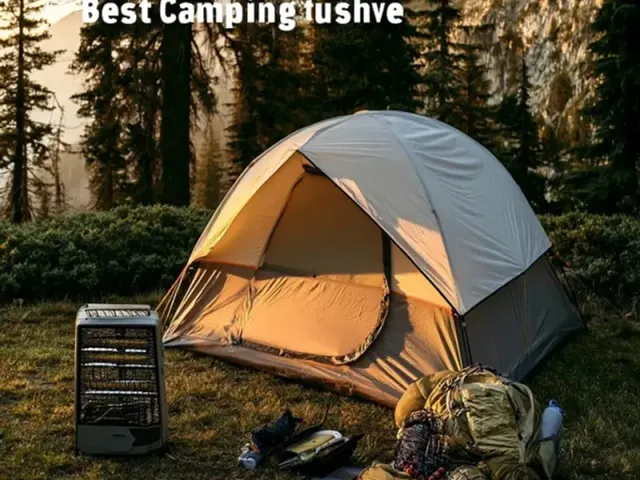
Winter Tent Setup: Stay Warm & Stable in Snow
The first thing you notice when setting up a tent in winter is how the ground changes everything. Snow muffles sound, wind bites through layers, and every movement takes more effort. But a well-pitched winter camp feels like a sanctuary — solid, quiet, and warm. I’ve learned that winter tent setup isn’t about fighting the cold; it’s about working with the snow and wind.

Choose Your Spot Wisely
Look for a location with natural windbreaks: a cluster of evergreens, a ridge shoulder, or the lee side of a hill. Avoid setting up directly under snow-laden branches — they can dump on you in the night. In open areas, pack down the snow with skis or snowshoes before pitching. Let it set for 10 minutes so the surface hardens. A firm platform prevents your tent from sagging unevenly.
Anchoring in Snow
Standard stakes won’t hold in powder. Use deadman anchors: fill a stuff sack with snow, tie a loop of cord, and bury it horizontally about 8 inches deep. Pack the snow on top. For the tent corners, I use dedicated snow stakes (12-inch aluminum with wide flanges). If the snow is crusty, stomp each stake in at a 45-degree angle away from the tent. The common mistake is not burying anchors deep enough — 6 inches minimum, 10 is better.
Guyline Strategy
Wind is the real enemy. Run guylines from every loop your tent has — not just the corners. Attach them to more deadman anchors or to buried trekking poles. Use a taut-line hitch so you can adjust tension without retying. I keep guylines slightly loose at first, then tighten after the tent settles. In gusty conditions, add a second line on the windward side.
Insulate the Floor
Your sleeping pad matters more than your sleeping bag. Use a closed-cell foam pad under an inflatable pad — the foam stops ground cold from reaching you. Cut a piece of reflective windshield sunshade to fit the tent floor. It reflects body heat upward. Place all gear bags, packs, and extra clothing along the tent walls to create a thermal buffer. Stuff jackets into the foot of your sleeping bag.
Manage Condensation
Winter tents trap moisture from breath and cooking. If you seal the tent tight, you’ll wake up damp. Open the top vent and crack the door an inch — even in subzero temps. That airflow carries moisture out. Wipe down the inner walls with a bandana before packing. I also keep a small absorbent sponge in a baggie to wipe any ice that forms overnight. Dry gear equals warm sleep.
Build a Snow Wall
A low snow wall on the windward side of your tent blocks drafts and reduces heat loss. Stack snow blocks about 2 feet high, 3 feet from the tent. Leave a gap for airflow. Do not build it too close — it can collapse against the tent. This trick cuts wind chill significantly and makes the tent feel much more stable.
Ventilation for Safety
If you use a camp stove or lantern inside the vestibule, never do it with the tent fully sealed. Carbon monoxide is invisible and deadly. Always keep a vent open. Use a battery-powered CO alarm inside the tent. For cooking, do it outside unless conditions are extreme, and even then, keep the door partly unzipped.
Takeaway: Winter tent camping is about preparation, not endurance. Anchor deep, insulate the ground, and let air move. A solid setup turns a cold night into a cozy one. Pack a little extra cord, a foam pad, and the patience to get it right — your sleep will thank you.
Frequently Asked Questions
How do I keep my tent warm in winter without a heater?
Use a closed-cell foam pad under your sleeping bag for ground insulation. Block drafts by mounding snow or gear bags around the tent base. Ventilate the top to reduce condensation, which keeps your bag dry and warmer.
What's the best way to stake a tent in deep snow?
Use deadman anchors: bury a stuff sack, branch, or a dedicated snow stake horizontally under the snow, then tie your guyline to it. Dig a trench, place the anchor, and pack snow firmly on top. This holds better than standard stakes.
Do I need a four-season tent for winter camping?
Not always. A sturdy three-season tent with a full-coverage fly and reinforced poles can work in mild winter conditions (no heavy snow load). For deep snow or high winds, a four-season tent with stronger poles and less mesh is safer.