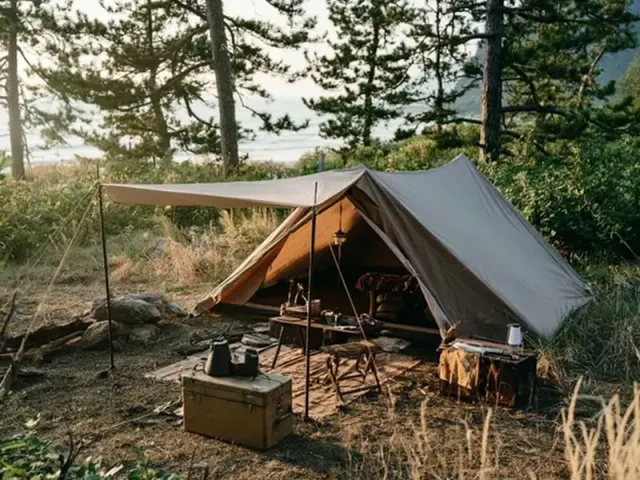
Tent Living Ideas Outdoor: 7 Setup Tricks That Actually Work
The rain taps a steady rhythm on the fly. Inside, your tent is dry, organized, and genuinely comfortable. That is tent living done right. After many nights of trial and error, I have settled on seven specific tricks that transform a tent from a mere shelter into a space you actually want to spend time in. No fluff, no gear you do not need. Just method.

Start with the Ground: Your Foundation Matters
Before the tent goes up, clear the site of every pinecone, stone, and twig. Even a small pebble under your sleeping pad turns into a boulder by 2 AM. I use a stiff-bristle broom for this. Takes two minutes, saves your back all night.
Next, lay down a ground cloth that is slightly smaller than your tent footprint. A tarp that sticks out beyond the edges will catch rain and funnel it under your floor. Trim it or fold it so it sits entirely beneath the tent. This is the single most common mistake I see. Keep that ground cloth tucked in, and your floor stays dry even in a downpour.
Pitch for Weather, Not Just Looks
Wind direction matters more than most people think. Orient the narrow end of your tent into the prevailing wind. This reduces sail effect and keeps the tent stable. Stake every corner first, then the vestibules, then the guy lines. Do not skip the guy lines. Even in mild wind, they stop the fly from flapping against the mesh, which cuts condensation and noise.
For rain, pitch the rainfly as taut as you can. A loose fly collects water pockets that can sag and leak. Pull each corner until the fabric is drum-tight. Then check the gap between fly and tent body. You want at least four inches of air space. That gap is your condensation buffer. Without it, your sleeping bag will feel damp by morning.
Zone Your Tent Like a Tiny Home
Divide your tent into three zones: sleep, gear, and entry. The sleep zone is your pad and bag, positioned away from the door to avoid drafts. The gear zone is a dedicated spot for bags, boots, and food storage. I use a clear plastic bin (the 18-gallon size fits nicely) for electronics, maps, and toiletries. It slides under the sleeping pad at night and becomes a table during the day.
The entry zone is where you strip off wet layers. Keep a small microfiber towel there to wipe down gear before it comes inside. A mesh laundry bag hung from the tent loop catches damp socks and keeps them off the floor. This zoning prevents the chaos of stuff everywhere and makes packing out faster.
Manage Airflow to Beat Condensation
Condensation is the enemy of cozy tent living. Your breath, your wet gear, even the ground moisture all contribute. Open every vent your tent has. If your tent has a cross-ventilation feature (two opposing vents), use it. In cold weather, crack the door an inch at the top. The warm moist air rises and escapes, while cold air stays low. You stay warm, and the tent stays dry.
One specific trick: hang a small battery-powered fan from the tent peak. It costs very little and moves air silently. On humid nights, it makes the difference between waking up clammy and waking up comfortable. Aim it so it pulls air up and out the vent.
Lighting That Feels Like Home
Harsh headlamp light ruins the mood. Use a dimmable lantern hung from the tent loop at head height. I prefer one with a warm color temperature (around 2700K). Place a second light near the floor for a soft glow that does not attract bugs when the door is open. String lights along the tent ridge are fine, but keep them away from the fly fabric and never leave them unattended.
For reading or map work, a red-light mode on your headlamp preserves night vision and does not disturb tentmates. Set it on a low beam and clip it to a pocket inside the tent.
Keep the Floor Clean and Dry
A dirty tent floor is miserable. Use a small doormat just inside the door. A cheap rubber welcome mat cut to size works perfectly. Wipe your shoes before entering, but leave them in the entry zone. I store my boots upside down on a small tarp so any remaining moisture drains out, not into the tent.
For muddy or sandy conditions, bring a dustpan and brush. Sweep the floor each evening before settling in. It takes thirty seconds and keeps grit out of your sleeping bag. No one wants to sleep on sand.
Food Storage: Smart and Safe
Never store food inside your sleeping area. The smell attracts animals, even in areas without bears. Use a bear canister or odor-proof bag stored at least 100 feet from your tent, downwind. For smaller critters, hang food bags from a tree branch at least 10 feet off the ground and 4 feet from the trunk. Raccoons can climb, but they struggle with a properly hung bag.
Inside the tent, keep only water and sealed snacks like granola bars. Wipe up any crumbs immediately. A clean tent is a critter-free tent.
A Quick Word on Safety
Never use a camp stove or fuel-burning heater inside your tent. Carbon monoxide is odorless and deadly. If you need heat, use a certified tent-safe heater with proper ventilation, or better yet, dress warmly and use a hot water bottle in your sleeping bag. Always check local fire regulations and weather forecasts before heading out. Use good judgment, and if conditions turn dangerous, pack up and head home. The tent will be there next time.
The Takeaway: Tent living is about small, intentional choices. Clear the ground, pitch for weather, zone your space, manage airflow, light softly, keep it clean, and store food safely. These seven methods turn a nylon shell into a genuinely comfortable home away from home. Try one on your next trip. You will feel the difference.
Frequently Asked Questions
How do I keep my tent cool during the day?
Set up in shade if possible, use a reflective emergency blanket over the rainfly (shiny side up), and open all vents and doors. In direct sun, pitch the rainfly higher to allow airflow between fly and tent body.
What's the best way to organize gear inside a tent?
Use hanging mesh pockets on tent walls for small items, a collapsible laundry basket for dirty clothes near the door, and a clear plastic bin under your sleeping pad for electronics and maps. Keep nothing loose on the floor.
How do I prevent condensation inside my tent?
Pitch the rainfly taut with at least 4 inches of gap between fly and tent body. Open all vents fully. Avoid cooking or breathing heavily into the tent walls. In humid weather, leave the door partially unzipped if safe.