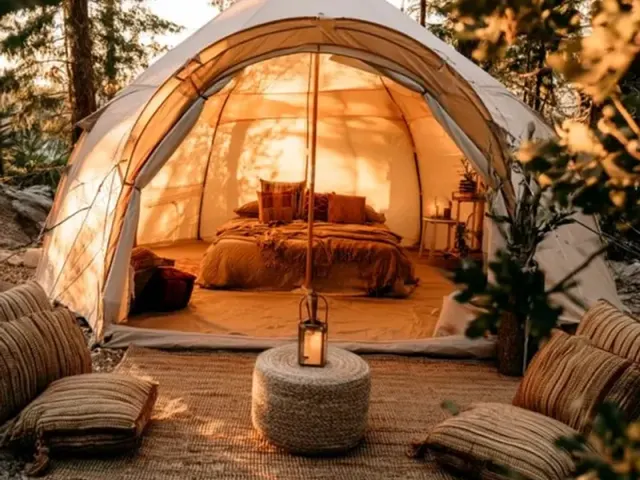
Tent Living Ideas: Make Your Campsite Feel Like Home
There’s a particular stillness to waking up inside a tent. The light filters through the fabric in a soft golden wash, and the air smells of nylon and damp earth. But living in a tent—whether for a long weekend or several nights—requires more than just pitching a shelter. It demands a system. Over many trips, I’ve learned that the difference between a trip that drains you and one that restores you often comes down to small, intentional choices about how you arrange your space, manage the elements, and move through your day.

Zone Your Tent Like a Room
The biggest mistake I see is treating the tent floor as one big dumping ground. Instead, divide the interior into three clear zones: sleep, storage, and transition. The sleep zone goes at the back, farthest from the door, where drafts are minimal. The storage zone is along one side wall—use mesh pockets or a hanging organizer for headlamps, glasses, snacks, and a water bottle. The transition zone is just inside the door: a small mat or towel for dirty shoes, a dry bag for wet rain gear, and a hook for your jacket. This keeps mud and moisture from migrating into your sleeping area.
Why This Works
When you assign each item a home, you stop wasting time searching. You also reduce the amount of dirt and debris that gets tracked onto your sleeping bag. In rain, the transition zone becomes critical—you can strip off wet layers without soaking everything else.
Manage Condensation Before It Manages You
Condensation is the silent enemy of tent living. Your breath, cooking (even done outside), and damp clothes all release moisture that collects on the tent walls. Drip, drip, drip onto your sleeping bag at 3 a.m. is not restorative. To fight it, I use two strategies. First, ventilate aggressively: open the vent flaps at the top and unzip the door a few inches on opposite sides to create crossflow. Second, keep all wet gear in a dedicated stuff sack or outside under a tarp. A small microfiber towel hung inside can also absorb ambient moisture—shake it out each morning.
The Common Mistake
Sealing the tent up tight to keep out cold actually makes condensation worse. A tent breathes best when air moves through. In cold weather, crack the vents even if it feels counterintuitive—the airflow prevents frost from forming on the inner walls.
Comfort Starts Below You
Your sleeping pad is the foundation of good tent living. One closed-cell foam pad under an inflatable pad gives you both insulation and cushion. I always add a small, lightweight blanket or fleece over the pad before my sleeping bag—it traps a layer of warm air and feels softer against the skin. In summer, a cotton sheet over the pad keeps things cooler and easier to wash.
Adapt for Weather
For cold nights, place a reflective blanket (the kind used for emergency warmth) under your sleeping pad. It bounces body heat back up. For hot nights, skip the foam pad and use just an inflatable with a thin cotton cover—less insulation means cooler sleep.
Lighting Sets the Mood
One harsh headlamp bouncing off the tent walls feels like an interrogation. Instead, use a dimmable lantern hung from the tent peak. For reading or tasks, a small red-light headlamp preserves your night vision and doesn’t disturb others. I also carry a string of battery-operated fairy lights for a soft glow—they weigh almost nothing and transform the space into something welcoming.
Safety Note
Never use candles, oil lamps, or any open flame inside a tent. Battery-powered lights only. Carbon monoxide from fuel-burning devices is invisible and deadly—keep all stoves and heaters outside.
Keep the Floor Clean and Dry
A clean floor is a happy tent. Before you enter, brush off shoes. Have a small hand broom or a microfiber cloth to sweep out sand and pine needles each evening. I place a waterproof footprint or tarp under the tent, but I also use a lightweight rug or a yoga mat just inside the door. That little piece of soft ground makes a huge difference for comfort and cleanliness.
If You’re Camping With Kids
Children bring in more dirt and leave more clutter. A designated “shoe station” just outside the tent door helps. Inside, give each child a small mesh bag for their treasures and a specific corner for their sleeping bag. This prevents the whole tent from becoming a jumble of toys and socks.
Food Storage: Keep It Outside and Secure
Never store food, snacks, or even toothpaste inside your tent. The smell attracts animals, from raccoons to bears. Use a bear canister or a bear bag hung at least 10 feet off the ground and 4 feet from the trunk of a tree. Set up your cooking and eating area at least 100 feet downwind from your tent. This isn’t just about safety—it’s about peace of mind. You don’t want to lie awake wondering what’s rustling outside.
The Takeaway
Tent living doesn’t have to feel like roughing it. With a little forethought, you can create a space that’s organized, comfortable, and resilient to weather. Zone your tent, control moisture, invest in your sleep setup, and keep food outside. Small decisions add up to big comfort. The goal isn’t to replicate your house—it’s to build a temporary home that works with the environment, not against it.
Frequently Asked Questions
How can I keep my tent organized while living in it?
Use mesh pockets, hanging organizers, and clear bins. Assign a spot for each item—sleeping gear on one side, clothes on the other. Keep the floor clear of clutter to avoid tripping.
What should I do to stay warm in a tent at night?
Layer your sleeping pad (closed-cell foam plus inflatable), use a sleeping bag rated for the temperature, and add a fleece liner. Avoid cotton clothing—moisture steals heat. A hot water bottle in a sock at your feet helps.
How do I manage condensation inside my tent?
Ventilate by opening windows and the door flap partially. Keep wet gear in a separate dry bag or outside under a tarp. Wipe down the interior walls with a cloth each morning.
What are the best ways to cook safely near a tent?
Never cook inside the tent. Set up a camp kitchen at least 10 feet away, downwind. Use a stable table or the ground. Store food in a bear canister or hung bag away from sleeping areas.
How can I make a tent feel more spacious?
Choose a tent with vertical walls and a higher peak. Use a footprint inside to create a clean floor. Store bulky gear outside under a tarp. Keep only sleeping and sitting items inside.