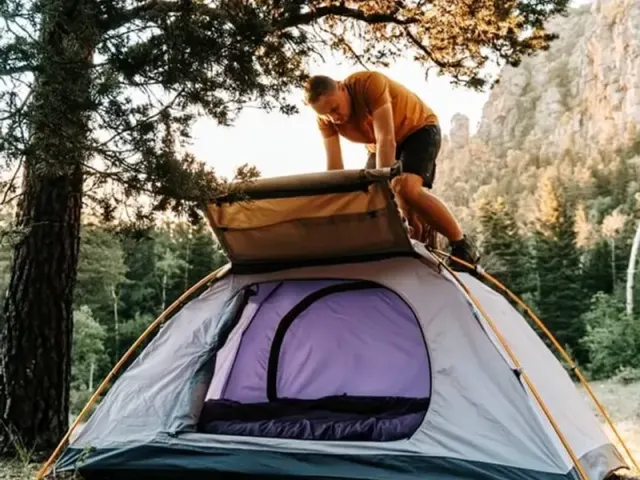
Tent Living Hacks: 7 Real Techniques for Better Camping
The first time I woke up in a tent with rain drumming on the fly, I realized I had made a classic mistake: I had pitched the fly too tight against the tent body. Water wicked through and dripped onto my sleeping bag. After years of trial and error, I have settled on a handful of tent living hacks that genuinely improve the experience—not gimmicks, but real techniques that work in rain, wind, heat, and cold.

1. The Fly Gap Hack (Your Dry Living Room)
Most people stake the fly corners tight to the ground. That is fine for a storm, but for general camping, you want a gap. I stake the fly corners out at a 45-degree angle from the tent, using a taut line hitch on each corner. This creates a porch-like overhang on both sides. In rain, I can sit under that overhang with my boots off, sheltered. In sun, the gap allows air to flow under the fly, reducing condensation. The trick is to use a taut line hitch—it holds under tension but releases easily. Practice it at home once. It is the single most useful knot for tent camping.
2. The Ground Cloth Tuck
A ground cloth that sticks out beyond the tent footprint is a rain magnet. Water runs off the fly, hits the exposed ground cloth, and pools under your tent floor. I cut my ground cloth exactly to the tent dimensions, or fold it under so no edge extends. Then I pitch the tent on top. On wet ground, I add a thin foam pad under the sleeping area for extra insulation. Common mistake: using a tarp that is too large. Trim it or fold it. Your floor stays dry.
3. The Headlamp Lantern Trick
You do not need a dedicated lantern. Take a gallon-size translucent water jug (empty) and strap your headlamp around it, facing inward. The water diffuses the light into a soft glow that fills the tent. No harsh shadows. Plus, you have water for drinking or washing. In cold weather, keep the jug inside your sleeping bag at night to prevent freezing.
4. The Sleeping Bag Air-Out Routine
Moisture from your body collects in the sleeping bag loft overnight. Every morning, I turn my sleeping bag inside out and drape it over the tent ridgeline or a clothesline under the fly. Even 15 minutes of airing makes a huge difference in warmth and comfort the next night. On rainy mornings, I at least shake it out and fluff the insulation by hand. Never store a sleeping bag compressed—use a large mesh sack for storage.
5. The Wind-Loading Stake Pattern
Standard advice says stake corners first. That works in calm weather. But in wind, I stake the two windward corners first, then the leeward corners, then the sides. I use 8-inch stakes for the main corners and 6-inch for the sides. On sandy or loose soil, I replace stakes with heavy rocks or use deadman anchors (bury a stake horizontally under sand). Always check the wind forecast before you leave. If gusts exceed 30 mph, reconsider your campsite or pitch in a natural windbreak.
6. The Cooking Station Setup
I set up a small folding table or a flat rock at least 10 feet from the tent door, on the downwind side. That keeps cooking smells away from the tent (less likely to attract wildlife) and prevents accidental spills near your sleeping area. I store all food in a bear canister or odor-proof bag, placed 100 feet from the tent, downwind. Yes, even in areas without bears—raccoons and rodents are persistent. A clean camp is a safe camp.
7. The Ventilation Cross-Breeze
Condensation is the enemy of comfort. I open the top vent and the bottom door zipper on opposite sides of the tent to create a cross-breeze. On warm nights, I leave the fly door partially unzipped and secure it with a small bungee cord to keep mosquitoes out. In cold weather, I close the bottom vent but keep the top vent open—warm, moist air rises and escapes. This single hack reduces morning dampness by 80 percent.
Adapting for Kids
Camping with children means more gear and more mess. I assign each child a color-coded stuff sack for their clothes and a separate small bag for toys and books. A mesh laundry basket near the door catches dirty items. I also pitch a small tarp over the cooking area so kids can stay dry while I prepare meals. Keep flashlights accessible—I clip a small LED light to each child's sleeping bag zipper pull so they can find it in the dark.
Takeaway
These tent living hacks are not about buying expensive gear. They are about using what you have with intention. A taut line hitch, a ground cloth cut to size, a headlamp on a water jug, and a morning air-out routine cost nothing but pay dividends in comfort. Try one or two on your next trip. Adjust for your weather and terrain. And always, always check local regulations and conditions before you go.
Frequently Asked Questions
What is the best way to keep a tent organized for long stays?
Use a hanging organizer (like a shoe organizer or mesh pockets) near the door for small items. Store clothes in a compression sack or duffel bag you can push to the foot of your sleeping area. Keep a small bin for cooking gear outside the tent under the fly.
How do I stop condensation inside my tent?
Ventilation is key. Open all vents and the door slightly (if weather permits) to create cross-breeze. Avoid breathing into your sleeping bag. Use a ground cloth that does not extend past the tent footprint, and pitch your tent in a spot with some airflow, not in a low hollow where cold air settles.
Can I use a camp stove inside my tent?
No. Never use a camp stove, lantern, or any fuel-burning device inside a tent. Carbon monoxide is odorless and deadly. Cook outside, at least 10 feet from your tent, and always store fuel canisters away from heat sources.