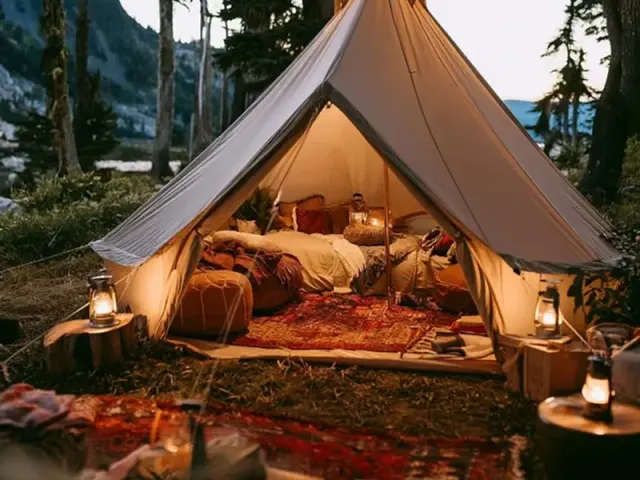
Tent Ideas Inside: Cozy Setup Tips for Your Camping Home
There's that moment when you zip the tent door behind you and the world outside goes quiet. The rain taps on the fly. The lantern casts a soft glow on the nylon walls. This is the space you'll sleep, eat, read, and retreat into. Getting the inside right transforms a functional shelter into a genuine home away from home. Here's how I approach tent ideas inside—not with gimmicks, but with practical steps that make every square inch work for you.

Start with the Floor: Your Foundation for Comfort
The ground is the first thing you feel, so treat it well. Before you even lay out sleeping bags, put down a ground cloth or footprint that extends just under the tent—any overhang collects rain and channels it beneath. Inside, I use a thin, closed-cell foam mat as a base layer under my air pad. This stops cold from seeping up and protects the pad from sharp objects. For car camping, a small camp rug or a piece of indoor-outdoor carpet adds warmth underfoot and catches dirt. The common mistake is skipping this step and relying solely on the tent floor; it's the quickest way to wake up cold or damp.
Why Orientation Matters
Pitch your tent so the door faces away from the prevailing wind. This keeps drafts from blasting in every time you unzip. In summer, orient the door toward the morning sun to help dry condensation. In winter, face it away from the wind and use a windbreak of packs or a tarp. I always test the door swing before staking—make sure it opens fully without hitting a tree root or rock.
Lighting: The Mood Maker and Safety Tool
Nothing kills a cozy tent vibe faster than a harsh, bare headlamp beam bouncing off nylon. I carry two light sources: a dimmable lantern for general light and a red-light headlamp for reading or moving around without blinding others. Hang the lantern from the tent's center loop using a small carabiner or a dedicated lantern hanger. For a softer effect, drape a bandana or a thin cloth over the lantern—just keep it away from any heat source. Battery-powered fairy lights along the ridge line add a warm, diffused glow. They weigh almost nothing and run for hours on a single set of AAAs. The safety note: never use candles, fuel-burning lanterns, or any open flame inside a tent. Carbon monoxide from a camp stove or heater is invisible and deadly. Keep all cooking outside and well away from the tent.
Sleeping Layout: More Than Just Laying Down Bags
For two people, I arrange sleeping pads head-to-toe—one person's head at one end, the other's at the opposite end. This evens out weight distribution and gives each person more shoulder room. In a three-person tent, two sleep head-to-toe on one side, and the third sleeps perpendicular at the foot end if there's space. Always inflate pads inside the tent after placing them; inflating them outside forces you to shove a bulky pad through the door, which strains zippers and knocks dirt inside. Use a small stuff sack as a pillow—fill it with a fleece jacket or extra clothes. For kids, a dedicated 'sleeping corner' with their own small stuffed animal or blanket helps them settle down.
Gear Zones: Keep the Floor Clear
A cluttered tent floor is a tripping hazard and a moisture trap. I divide the interior into three zones: sleep, store, and entry. The sleep zone is the farthest from the door. The store zone is along one side wall—I use mesh pockets or a gear loft for phones, glasses, snacks, and a water bottle. The entry zone is a small clear area just inside the door where boots sit on a small towel or a dedicated boot tray. For wet gear, I hang a small dry bag from the tent peak; wet socks and rain jackets go inside it, keeping moisture away from sleeping bags. In a vestibule, store cook gear, food, and extra shoes. Always keep food in a bear canister or hang it per local regulations—never inside the tent, even for 'just one night.'
Temperature Control: Adapting to Weather
In cold weather, I vent the tent at the top and bottom to reduce condensation while trapping body heat. A small vent at the top lets moist air escape; a gap at the bottom near the door allows fresh air in. In hot weather, open all vents and the door fully, and use a mesh inner tent only if you have a separate rainfly. A battery-powered fan clipped to the ridge line moves air without noise. For summer, I sometimes leave the rainfly off entirely on clear nights—just the mesh inner keeps bugs out and lets the breeze through. Check the forecast before doing this; a sudden shower means a wet sleeping bag.
The One Trick Most People Miss: The Headlamp Diffuser
Here's a specific tip you won't find on every site: take a small, translucent plastic water bottle (the kind that comes with powdered drink mix) and cut it in half. Place the bottom half over your headlamp lens. It diffuses the beam into a soft, warm glow that lights up the entire tent without blinding anyone. It weighs nothing and costs zero. I've used this for years—it turns a functional headlamp into a cozy tent lantern in seconds.
Takeaway
The best tent ideas inside aren't about buying more gear. They're about thoughtful placement, smart lighting, and respecting the space. A well-organized tent feels bigger, sleeps warmer, and helps you wake up ready for the trail. Start with the floor, control your light, and keep the clear path to the door. Your tent will thank you.
Frequently Asked Questions
How do I make my tent feel more cozy inside?
Start with a soft ground layer—an extra tarp or a foam mat under your sleeping pad. Add warm lighting: a dimmable lantern hung from the center loop or a string of battery-powered fairy lights along the ridge. Use a camp blanket or rug for texture. Keep gear organized in mesh pockets or stuff sacks so the floor stays clear. A small cloth or carabiner to hang a hat or jacket near the door adds a homey touch.
What is the best way to arrange sleeping bags inside a tent?
Place sleeping pads head-to-toe if sharing a tent to maximize hip and shoulder space. For two people, sleep with heads at opposite ends—this evens out weight and reduces crowding. Always slide pads fully into the tent before inflating them; inflating inside the tent can push walls outward and strain seams. Use a pillow stuff sack or clothing bag for head support.
How can I keep gear organized in a small tent?
Use a gear loft or mesh pocket system for small items like headlamps, phones, and snacks. Hang a small dry bag from the tent peak for trash or wet clothes. Store boots and cook gear in the vestibule or under a small tarp outside the door. Keep a designated 'footprint' area near the entry for muddy shoes. For car camping, a collapsible tote outside the door holds extras.