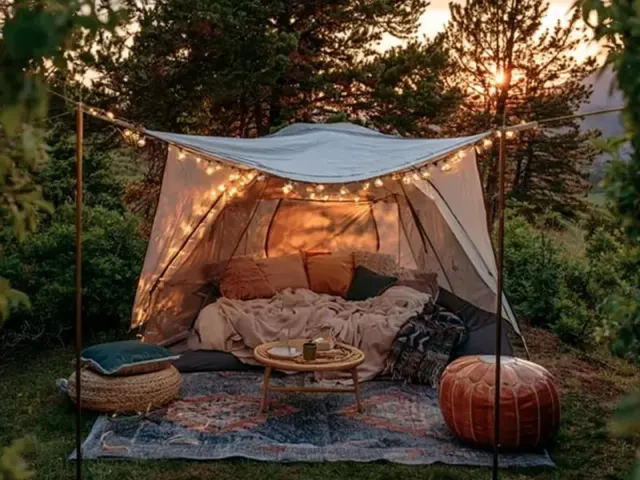
Tent Ideas for Sleepovers Outside: Cozy Setup Tips
There's something about a tent glowing in the dusk that pulls you outside. The soft light through nylon, the sound of zippers, the smell of grass and canvas. A sleepover in the backyard or a nearby patch of woods doesn't need to be complicated, but it does need a few deliberate choices to keep everyone comfortable and safe through the night. Let me walk you through the setup moves that make the difference between a restless night and a memory that sticks.

Choosing the Right Tent for a Sleepover
For a sleepover, you want space to spread out, not just squeeze in side by side. A 4-person dome tent works well for two to three kids or two adults. If you want room for a board game or cards before lights out, step up to a 6-person model. The trick is to look at the floor dimensions, not the person rating. A 4-person tent with an 8x7-foot floor gives each person about 14 square feet—enough for a sleeping pad and a small bag of gear.
Dome tents are stable in wind because of their low profile. Cabin-style tents offer more headroom but catch the breeze. For a backyard sleepover, either works, but if you're in an open field, go with the dome. Always stake out the tent, even if the weather looks calm. A sudden gust can collapse an unstaked tent, and nobody wants to wake up with nylon in their face.
Ground Prep: The Foundation for Comfort
Cold and damp come up from the ground, not down from the air. Start with a clean, dry patch. If the grass is long, mow it the day before. Lay a ground tarp that's slightly smaller than the tent footprint—if the tarp sticks out, rain will pool under the tent floor and soak everything. I use a 6-mil polyethylene tarp cut to size, about two inches smaller than the tent on each side.
Inside, layer the floor. First, a foam pad or an insulated air mattress. Foam pads have an R-value between 2 and 5.5; for a sleepover in mild weather (above 50°F at night), an R-value of 2 is fine. Below that, go for 4 or higher. On top of the pad, add a fleece blanket or a cheap moving blanket. This traps air and keeps the sleeping bag from sliding. Arrange pads so heads point toward the tent walls and feet meet in the middle. That leaves a center aisle for stashing shoes and flashlights.
Sleeping Bags and Bedding: The Warmth Equation
Sleeping bags are rated by the lowest temperature at which an average person can sleep comfortably. For a sleepover, choose a bag rated 10 to 15 degrees lower than the forecast low. If the low is 55°F, a 40°F bag will leave most people shivering by 3 a.m. Synthetic insulation is better for damp conditions and costs less. Down is lighter and packs smaller but loses loft when wet.
Here's a specific trick: unzip the sleeping bag halfway and use it like a blanket over a fleece liner. That gives you two layers you can adjust. If someone gets hot, they can kick a leg out. If they get cold, they can zip up. Also, put a hand warmer packet at the foot of each bag before bed. It makes a huge difference for cold toes and costs pennies.
Pillows from home are fine, but a stuff sack filled with a puffy jacket works just as well and saves packing space. Have everyone wear a hat and socks to bed. You lose most of your heat through your head and feet.
Lighting and Ambiance Without the Fire Risk
String lights on a battery pack are the safest way to light a tent. Hang them along the ridgepole or across the ceiling using small binder clips or adhesive hooks. Choose LEDs that emit warm white light (2700-3000K) for a cozy glow. Avoid candles, oil lamps, or any open flame inside the tent. The risk of tipping over or catching nylon is too high.
For reading or finding a dropped snack, each person should have their own headlamp or small lantern. Headlamps free up hands for zipping bags or adjusting gear. Clip a red filter over the light if you want to preserve night vision and avoid blinding anyone during a midnight bathroom trip.
Ventilation: The Quiet Comfort Killer
Moisture from breath and sweat condenses on the tent walls if you don't vent. That wetness drips back on sleeping bags and makes everything clammy by morning. Open the top vents on the rainfly and unzip the door mesh a few inches at the top and bottom. This creates cross-ventilation without letting in bugs. If there's no rainfly, leave the tent door unzipped partway and use a bug net over the opening.
In hot weather, pitch the tent in the shade of a tree or building, but not directly under a branch that could fall. In cold weather, keep vents cracked anyway—the dry air is worth the slight chill. You can always add a layer, but you can't dry out a wet sleeping bag at midnight.
Weather Prep: Plan for the Unexpected
Check the forecast before you set up. If rain is predicted, pitch the tent on slightly higher ground to avoid runoff. Dig a small trench around the tent (called a cat hole) to divert water, but only if the site allows it—check local regulations. Stake the rainfly taut so it doesn't flap in the wind. A flapping fly is loud and can wear holes over time.
If wind is expected, orient the tent so the narrow end faces the wind. Use all the guylines and stake them at 45-degree angles. For extra security, fill stuff sacks with sand or rocks and tie them to the guylines. That adds weight and keeps the tent from lifting.
Safety Notes for an Outdoor Sleepover
Never use a camp stove, propane heater, or charcoal grill inside or within three feet of the tent opening. Carbon monoxide is odorless and can kill in minutes. For warmth, use sleeping bags, hot water bottles in sealed bottles, or chemical hand warmers. Keep a fire extinguisher or a bucket of water near any campfire, and fully extinguish the fire before everyone gets in the tent. Store all food, trash, and scented items in a sealed cooler or a bear canister at least 100 feet from the tent if you're in bear country. In a backyard, bring the cooler inside the house overnight to avoid attracting raccoons.
Takeaway
A tent sleepover outside is about small, thoughtful choices. Pick a tent with enough floor space, prep the ground to block cold and damp, layer bedding for adjustability, and light the space safely. Ventilation, weather prep, and basic safety rules turn a good idea into a great night. The best part? You don't need a mountain or a remote lake. Just a patch of ground, a well-pitched tent, and people you want to share the dark with.
Frequently Asked Questions
What size tent is best for a sleepover with kids?
For a sleepover with two to three kids, a 4-person dome tent gives enough floor space for sleeping pads and gear. If you want room to sit and play, go up to a 6-person tent. Always check the tent's floor dimensions, not just the person rating, to ensure everyone fits comfortably with their bedding.
How do I keep the tent warm at night without a heater?
Layer the ground with a thick foam pad or an insulated air mattress, then add a fleece blanket under the sleeping bag. Use a sleeping bag rated for 10-15°F below the expected low. Have everyone wear a hat and socks. Never use a camp stove, lantern, or propane heater inside a tent—carbon monoxide is invisible and deadly.
What's the best way to set up a tent on grass for a sleepover?
Mow the grass a day before so it's short and dry. Lay a ground tarp slightly smaller than the tent footprint to avoid water pooling under the floor. Stake the tent corners first, pulling the fabric taut, then add the rainfly even if no rain is forecast—it blocks wind and morning dew.