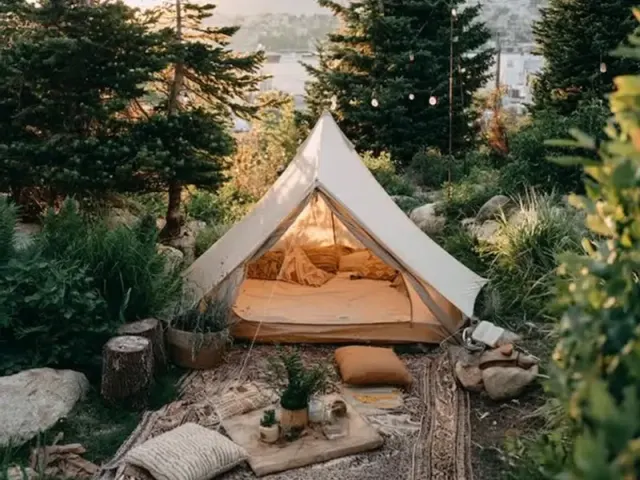
Tent Ideas at Home: Set Up Your Backyard Retreat
There's something about the sound of rain on nylon that feels like a secret. You don't need a mountain to get it—your backyard, or even your living room, can deliver that same cocooned feeling. Setting up a tent at home is less about escaping and more about reclaiming a small patch of space. It's a retreat you can step into after dinner, without packing a single bag.

But pitching a tent on a lawn or a deck comes with its own quirks. The ground is softer, the stakes might not hold, and the morning dew can sneak in. I've spent enough evenings troubleshooting these details to share what actually works. Here's how to set up a tent at home that feels intentional, comfortable, and safe.
Choose the Right Spot
Look for level ground first. A slight slope is fine if you sleep with your head uphill, but a lumpy lawn will leave you restless. Walk the area and feel for hidden roots or sprinkler heads. If you're on grass, mow it a day before—short blades mean fewer lumps and less moisture trapped under the tent.
For patios or decks, lay down a thick moving blanket or a yoga mat under the tent floor. The hard surface conducts cold, so insulation matters. Avoid areas directly under trees if you can—birds and falling branches are real, even in a backyard.
Avoid the Common Mistake with Stakes
Standard tent stakes often fail in soft soil. They pull out with the first breeze. Use longer stakes, at least 8 inches, and drive them at a 45-degree angle away from the tent. That angle creates resistance. If the ground is too hard for stakes (like compacted clay), switch to screw-in stakes designed for sand. They bite deeper and hold firm.
For decks or concrete, skip stakes entirely. Fill gallon jugs with water and tie a loop of paracord around each handle. Hook the cord over the tent's corner loops, then place the jugs at the corners. They weigh enough to keep the tent stable in light wind.
Manage Moisture from the Ground Up
Grass sweats at night. Even on a dry evening, condensation rises from the soil. A footprint or tarp is non-negotiable. Place it under the tent, but fold any excess so it doesn't extend past the edges. If the tarp sticks out, rain will pool between the tarp and the tent floor—a fast track to a wet sleeping bag.
Inside, add a layer of closed-cell foam pads or interlocking gym mats. They insulate from the cold ground and soften the surface. On a deck, the foam also prevents the tent floor from sliding on smooth wood.
Ventilation Is the Secret to Comfort
A closed tent on a warm night turns into a sauna. Open the rainfly's vents and unzip the door mesh partway. If mosquitoes are an issue, keep the mesh zipped but crack the rainfly flaps. Cross-ventilation is key—open two opposite sides slightly to create airflow.
In cooler weather, you still need some airflow to prevent condensation from your breath. Leave a small gap at the top of the door. I use a small battery-powered clip fan inside to keep air moving. It makes a surprising difference in humidity.
Make It Cozy Without Overdoing It
A home tent doesn't need a full glamping setup. A few touches go far. String battery-operated fairy lights along the tent's ridgeline. Use a soft blanket as a rug over the sleeping pads. Keep a small table or crate beside your bed for a book and a mug.
But keep it simple. Too much stuff makes the tent feel cramped. The goal is a clear separation from the house, not a replica of it. Leave the electronics inside. The best part of a tent at home is the quiet.
Safety Notes for Home Tenting
Never use a camp stove, propane heater, or charcoal grill inside a tent—even with the door open. Carbon monoxide is odorless and deadly. Use only battery-powered lights and fans. If you're using a tent indoors, keep it away from space heaters and candles. A real flame and nylon do not mix.
For backyard tents, check the weather forecast. If strong winds or thunderstorms are expected, take the tent down. A tent is not a shelter in a storm. Also, let a family member know you're sleeping outside, especially if you're alone. It's a small step that adds peace of mind.
When You Can't Go Outside
Indoor tent setups work great for kids' sleepovers or a personal reading nook. Skip the stakes completely. Use a soft rug or carpet underneath to protect floors. Ensure the tent is fully open so airflow isn't blocked. Battery-powered lanterns only—no open flames. And keep the tent away from doorways and vents.
For adults, an indoor tent can be a meditation space or a spot to unplug from screens. The same principles apply: keep it simple, ventilate, and use it as a deliberate break from the house.
Takeaway: A tent at home is a small adventure waiting to happen. Focus on a level spot, proper staking for your surface, moisture control, and airflow. Keep it safe, keep it simple, and let the tent do what it does best—create a space that feels separate from everything else. Sometimes the best camping trip is the one where you don't leave the yard.
Frequently Asked Questions
Can I set up a tent on grass without damaging it?
Yes, but take care. Use a footprint or tarp under the tent to prevent matting. Move the tent every few days if leaving it up long-term to let the grass breathe. Avoid staking too deep in delicate lawns.
How do I keep my tent from getting damp on the lawn?
Moisture rises from grass overnight. Always use a groundsheet or tarp that extends just beyond the tent floor. Leave the rainfly partially open for ventilation. In humid weather, place a moisture absorber like silica gel packs inside.
What is the best way to anchor a tent on a deck or patio?
Use sandbags or heavy-duty velcro straps around deck posts instead of stakes. For patios, use adhesive stake anchors designed for hard surfaces, or weigh down each corner with a filled water jug.
Can I use a tent indoors for a kids' sleepover?
Absolutely. For indoor use, skip the stakes and use a soft rug underneath. Ensure the tent is fully open for airflow. Keep it away from heaters and open flames. Use battery-powered lights only.