Tent Camping Setup Ideas With Kids: 7 Pro Tips
The sound of a tent flapping in the wind is one thing when it's just adults. Add a tired toddler, and it becomes a soundtrack for disaster. I've seen families arrive at a campsite full of excitement, only to have the whole setup unravel because the tent wasn't pitched with kids in mind. The difference between a chaotic unpacking and a smooth, fun family campout comes down to a few deliberate choices—made before you even unroll the tent.

Choose Your Tent Floorplan Before You Unpack the Car
Most families grab the biggest tent they can find and assume it will work. That's a mistake. A 10-person tent with one giant room means gear ends up everywhere, kids trip over bags, and someone inevitably rolls into a cold wall. Instead, think in zones before you pitch. I recommend a tent that has at least two separate sleeping areas—or if you have a single-room dome, plan to use the tent itself as the divider. Here's the method: unroll the tent flat on the ground, then walk through where each person will sleep. Mark those spots with a small stone or stick. Then, and only then, start assembling poles. This forces you to consider the flow of the tent before it's up. The common mistake? Pitching the tent first, then realizing the door faces the prevailing wind or a muddy path. Flip the tent body around so the door is downwind—this prevents rain from blowing in when you unzip.
The Kid Zone Method: A Specific Setup Sequence
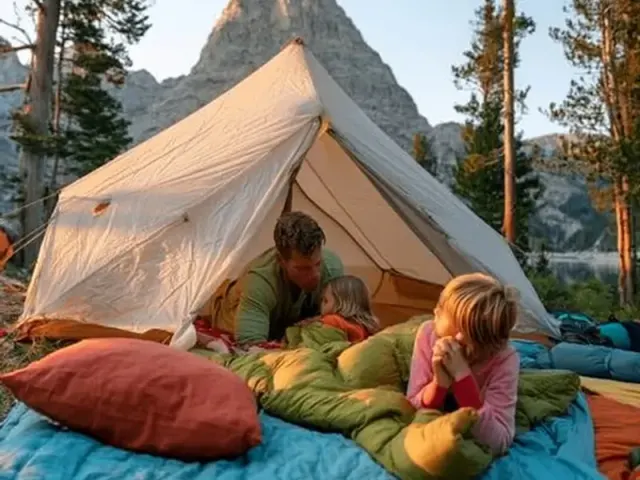
Here's the trick you won't find on ten other sites: once the tent is up and staked, create a physical boundary inside the tent using sleeping bags or duffel bags arranged in a U-shape around the kids' sleeping area. This is the "kid zone." It serves two purposes. First, it keeps small children from rolling into tent walls (which get cold and wet from condensation). Second, it gives them a defined space that feels safe. I always set up the kid zone first, before any adult gear. Lay down a thick foam mat or a closed-cell pad for each child, then place their sleeping bag on top. Use a small battery-powered lantern—never a flame inside a tent—placed on a stuff sack near the center of the zone. The light gives kids a visual anchor if they wake up at night. For toddlers, bring a familiar blanket or stuffed animal and tuck it into the sleeping bag before they get in. The sensory comfort of a known texture helps them settle in a strange environment.
Staking: The Non-Negotiable Safety Step
Kids run. They trip. They pull on tent fabric. If your tent isn't staked properly, a child can easily collapse a corner, and then you're dealing with a domino effect of poles and flapping nylon. I stake every single corner and every guy line before letting anyone inside. Use stakes that are at least eight inches long—the short plastic ones that come with many tents won't hold in soft ground. Drive them in at a 45-degree angle, pointed away from the tent, so they resist pull-out force. For windy conditions, add extra stakes at the midpoint of each side of the tent. A taut-line hitch on guy lines lets you adjust tension without retying—crucial when the wind shifts at 2 a.m. Safety note: never pitch under a dead tree limb or near a fire ring that's still hot. Check the forecast for wind gusts above 30 mph; if that's expected, consider a lower-profile tent or a sheltered site.
Gear Organization: The Entryway Drop Zone
Kids bring chaos. Shoes, jackets, water bottles, snacks, and that one toy they can't live without—it all ends up in a pile right inside the door. That pile becomes a tripping hazard at night. I solve this with a simple system: designate the first two feet of the tent floor as the "drop zone." Use a small tarp or a cheap doormat cut to size. Place a mesh laundry bag or a stuff sack near the door for shoes. Hang a small carabiner or a loop of paracord from the tent's interior loop to hold a flashlight and a water bottle. This keeps the sleeping area clean and gives kids a clear place to put their things. The payoff? When you need to find a headlamp at 3 a.m. because someone needs the bathroom, you know exactly where it is.
Weather Adaptations for Peaceful Nights
Rain on a tent fly sounds cozy—until it's dripping on your child's face. Condensation is the real enemy. To prevent it, crack the tent's top vents and leave the door slightly unzipped (if the fly covers it) to allow airflow. If you're in cold weather, put a closed-cell foam pad under each child's sleeping bag—inflatable pads alone lose insulation where they compress. For hot weather, pitch the tent in shade if possible, and use a reflective emergency blanket under the fly to deflect heat. Never use a camp stove or any fuel-burning device inside a tent—carbon monoxide is odorless and deadly. Keep all food stored in a bear canister or a sealed cooler outside the tent, at least 100 feet from the sleeping area, to avoid attracting wildlife.
The One Rule That Changes Everything
Here's the takeaway that ties it all together: set up the tent for the kids first, then add the adults. That means choosing the site with the flattest, most sheltered ground for their zone, staking the tent before they enter, and creating the kid zone before you even unpack your own sleeping bag. When the tent is organized around the smallest campers, everyone sleeps better—and you get to enjoy your coffee in the morning without tripping over a shoe.
Frequently Asked Questions
What is the best tent setup for camping with kids?
The best setup uses the 'kid zone' method: pitch your tent with the door facing away from wind, then divide the interior into a sleeping zone for kids (center or far end) and a gear storage zone near the door. Stake guy lines tightly to prevent flapping fabric that scares young children.
How do I keep my tent secure with kids running around?
Stake every corner and guy line before letting kids inside. Use bright-colored reflective stakes so they're visible. Teach older kids to walk (not run) near guy lines. For windy conditions, add extra stakes at the midpoint of each side and use a taut-line hitch on guy lines so you can adjust tension without retying.
What should I do if my tent leaks during a storm with kids?
First, never pitch under a dead tree limb. If rain starts, check all seams and re-stake guy lines tighter to create a taut fly. Place a waterproof groundsheet inside the tent (not under it, which can pool water). Keep kids in the driest zone—usually the center. Have a backup plan: a large tarp to erect over the tent as a quick fly.