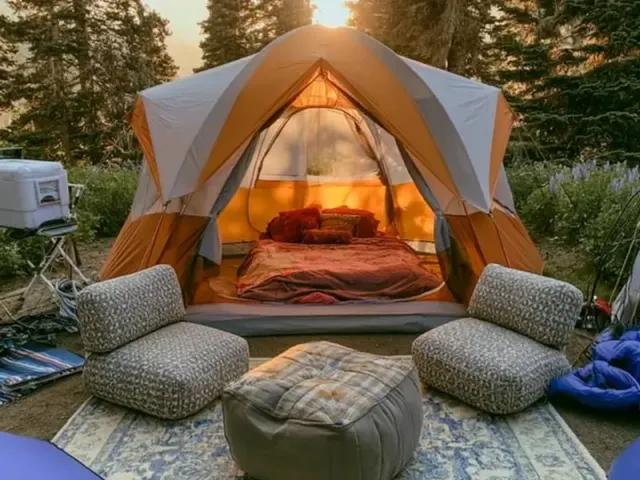
Tent Camping Setup Ideas: Pitch Faster, Sleep Better
Sun angled low, a breeze carrying the scent of dry pine, and the ground underfoot soft but not boggy. That is the moment I love most—the moment before the tent goes up. But too many campers rush this part. They wrestle with poles, fight with fabric, and end up with a sagging shelter that leaks at the first sprinkle. A good setup isn't about speed alone. It is about sequence, angles, and reading the ground. Here are the tent camping setup ideas I rely on every time.

Choose Your Spot Like You Mean It
Before you unroll anything, walk the entire site. Look for level ground free of rocks, roots, and depressions where water might pool. A slight slope is fine if you sleep with your head uphill—just avoid anything steeper than a gentle grade. Check overhead for dead branches (widowmakers) and clear any pinecones or twigs that could poke through the floor. If the ground is damp, pick a spot with good drainage, not a low area. Pro tip: if you are camping with kids, choose a spot close to the path to the bathroom but far enough from the fire ring to avoid sparks hitting the fly.
Orient the Tent to the Wind
Wind is the silent enemy of a good night's sleep. Pitch the tent so the narrowest end faces the prevailing wind. This reduces flapping and stress on the poles. If you are near a lake or open field, the breeze often picks up after sunset. Walk around the site and feel which direction the air moves. Then point the door away from that wind. Not only does this keep gusts from rattling the fly, it also stops dust and debris from blowing inside every time you unzip.
The Diagonal Staking Method
I used to stake the front two corners, then the back two. That let the tent shift sideways. Now I stake opposite corners first. Drive the stake at a 45-degree angle away from the tent, not straight down. This creates a mechanical advantage that holds better in loose soil or sand. Push the stake until the hook or loop is flush with the ground. For extra security in high wind, use longer stakes or bury the stake completely. After all four corners are set, then insert the poles. This sequence keeps the tent floor flat and prevents wrinkles that can cause pooling.
Rain Fly Strategy: Taut Is the Goal
A loose rain fly is worse than no fly at all. It traps moisture against the mesh and flutters all night. After attaching the fly, pull each corner outward and stake it at a wide angle—not straight down. The goal is to stretch the fabric so water beads and runs off, not collects in pockets. Use the guy lines on the fly's midpoint to pull the sides away from the tent body. This creates an air gap that prevents condensation. In hot weather, you can pitch the fly higher for airflow, but always keep it taut. In cold weather, pitch it lower to trap warmth. One mistake I see often: people forget to seal the fly seams before their trip. Do that at home, not at the site.
Guy Lines: The Hidden Hero
Most tents come with reflective guy lines and small tensioners. Use them. Stake the guy lines at a 45-degree angle outward from the tent, not straight down. This triangulates the forces and keeps the tent stable in gusty conditions. If the ground is too hard for stakes, tie the guy lines to rocks or logs. Just make sure the line is taut and the knot is secure. For kids' tents, I use shorter guy lines to reduce tripping hazards.
Gear Organization Inside the Tent
Once the tent is up, organize the interior before you bring in anything else. Lay down a groundsheet that is slightly smaller than the tent floor—if it sticks out, rain will pool under the tent. Use a gear loft or mesh pockets for small items like headlamps, glasses, and sunscreen. Store shoes in the vestibule or in a dry bag just inside the door. I keep a small bin for cooking gear outside the tent, never inside. This reduces clutter and keeps smells away from sleeping areas. If you are camping with kids, assign each child a mesh pocket for their flashlight, water bottle, and favorite stuffed animal. It saves the frantic morning search.
Adapt for Weather and Terrain
Rain: pitch the tent on high ground, and if you expect heavy downpours, dig a small trench on the uphill side to divert runoff. Check local regulations first—some areas prohibit trenching. Wind: lower the tent profile by staking the fly lower and using all guy lines. In extreme wind, add extra stakes to the windward side. Heat: pitch in the shade if possible, and open all vents. Use a reflective tarp over the fly to deflect sun. Cold: pitch in a spot that gets morning sun, and use a closed-cell foam pad under your sleeping bag for insulation. Snow: pack down the snow before pitching, and use deadman anchors (snow stakes or buried stuff sacks) for the guy lines.
Safety Notes to Keep in Mind
Never cook inside the tent. Carbon monoxide from camp stoves or lanterns can build up quickly and is deadly. Keep your tent door zipped except when entering or exiting—this keeps bugs and critters out. Store all food, toothpaste, and scented items in a bear canister or hung properly away from your sleeping area. Fully extinguish your campfire before turning in. And if you hear thunder, get out of the tent and into a hard-sided vehicle or a low, open area. A tent offers no protection from lightning.
Takeaway
A well-pitched tent feels like a sanctuary. It stays dry in rain, quiet in wind, and organized enough that you can find your headlamp at 2 a.m. The extra five minutes you spend on site selection, staking sequence, and fly tension pays back in hours of comfortable sleep. Next time you unroll that tent, slow down. Walk the site. Stake the corners diagonal. Pull the fly taut. Your future self—tucked in, warm, and listening to rain on the fly—will thank you.
Frequently Asked Questions
What is the fastest way to set up a tent?
Speed comes from sequence. Unfold the tent body on a clear, level spot. Stake the four corners first in a diagonal pattern (opposite corners before adjacent ones). Then insert the poles and raise the structure. Attach the rain fly last. This order prevents the tent from shifting while you work.
How do I keep my tent from flooding in heavy rain?
Two things matter most: site choice and fly tension. Never pitch in a low spot. Dig a small trench on the uphill side if needed, but check local regulations first. Stake the rain fly tight so water runs off, not pools. Seal all seams before your trip. For extra insurance, use a groundsheet that is slightly smaller than the tent floor so water doesn't collect between them.
Should I face my tent door into the wind?
No. Always pitch with the narrowest side or the door facing away from the prevailing wind. This reduces wind load on the broad sides and keeps debris from blowing into your tent. If wind shifts overnight, you can rotate the tent, but starting with the wind at your back is the safest bet.
How do I set up a tent on a slope?
Sleep perpendicular to the slope, with your head uphill. Before pitching, clear rocks and roots. Use a leveling trick: dig a small shelf into the hillside for the downhill side of the tent, placing the displaced dirt under the uphill side. Stake extra securely, as slopes often have looser soil.