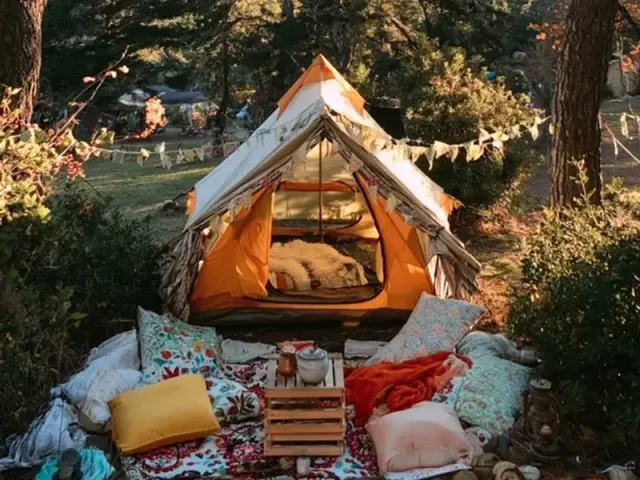
Tent Camping Setup Ideas for a Smooth Festival Weekend
The first time I pitched a tent at a festival, I made every mistake in the book. I faced the entrance into the wind, left the rainfly loose, and didn't bother with guylines. By midnight, the tent was a flapping mess and I was shoving gear into corners to keep the walls from collapsing. Festival camping is different from a quiet backcountry trip. You're sharing a field with hundreds of others, dealing with dust, heat, and the occasional thunderstorm. But with the right setup, your tent can be a cool, dry, and organized home base. Here are the specific techniques I've learned after many festival weekends.

Choose Your Patch Wisely
Walk the entire camping area before you drop your gear. Look for a spot with natural shade — a lone tree, a hedge, or even the shadow of a large RV. Avoid low spots where water will pool after rain. Check for rocks and roots that will make staking difficult. The ideal patch is slightly higher than the surrounding ground, with the entrance facing away from the prevailing wind. If the wind shifts, you can always rotate the tent later. But you can't move a tree.
Stake Like You Mean It
Festival grounds are often compacted from thousands of footsteps. Standard plastic stakes will bend or snap. Use 8-inch steel stakes with a wide head. Drive them at a 45-degree angle away from the tent — this gives the most holding power. Every stake should be fully buried until only the hook is visible. Then tie each guyline taut. Here's the trick most people miss: run your guylines in a star pattern from the tent's loops to stakes placed three to four feet out from the tent body. This creates tension in all directions. If a gust hits, the tent won't flatten. For extra security in high wind, use a trucker's hitch on the main guylines — it's adjustable and won't slip.
Staking on Hard Ground
If you can't drive a stake, tie your guylines to a filled stuff sack or a heavy water jug. Place the sack or jug at the end of the guyline, then bury it partially with loose dirt or rocks. This deadman anchor works surprisingly well. Just mark the spot so you don't trip over it at night.
Create a Shaded Vestibule
Festival tents turn into ovens by 9 a.m. The fix: a separate tarp rigged over your tent entrance. Use two adjustable poles (I use 6-foot telescoping poles) and stake the tarp corners out at a 45-degree angle. Position the tarp so it blocks the morning and afternoon sun from hitting the tent walls. Leave a gap of at least 12 inches between the tarp and the tent roof for airflow. This shaded vestibule becomes your living room — a place to sit, cook, and store gear without baking inside the tent. If rain is forecast, angle the tarp so water runs off the back side, not onto your tent.
Organize Your Gear for Quick Access
Festival camping means you're coming and going all day. You don't want to dig through a pile of clothes to find your sunscreen. Use clear plastic bins with lids — one for clothes, one for cooking gear, one for electronics and toiletries. Stack them in the vestibule area. Inside the tent, use a mesh hanging organizer on the tent wall for small items like headlamp, phone, and glasses. Keep a dedicated “festival bag” packed with your daily essentials: water bottle, sunscreen, hat, rain jacket, cash, and ID. Hang it by the door so you grab it on the way out.
Ventilate for Comfort and Condensation Control
Festival nights can be cool while days are hot. That temperature swing creates condensation inside your tent. Open every vent and unzip the rainfly doors at least halfway, even if it's drizzling. The mesh inner tent will keep bugs out while letting moisture escape. If the forecast is dry, remove the rainfly entirely and sleep under the mesh. You'll stay cooler and wake up to a view of the stars. Just be sure to close up before dew settles at dawn.
Handling Rain
If a storm rolls in, seal the tent completely and check that all zippers are closed. Place a small towel inside the door to wipe wet gear before it enters. Store wet shoes under the vestibule tarp, not inside the tent. A battery-powered fan clipped to the tent ceiling helps reduce humidity and keeps air moving.
Lighting and Ambiance Without the Glare
Festival campsites can be chaotic with bright headlamps and lanterns. For a cozy glow, use a string of LED fairy lights with a warm white setting. Drape them along the tent ridge or around the vestibule poles. They provide enough light to find your gear without blinding your neighbors. A red-light headlamp preserves your night vision and won't attract bugs. Never use a propane lantern or camp stove inside the tent — carbon monoxide is odorless and deadly.
Food and Wildlife Safety
Festival grounds often have raccoons, squirrels, and even bears in some areas. Store all food, toothpaste, and scented items in a sealed cooler or a bear-proof container. Keep it in the vestibule, not inside the tent. Clean up crumbs immediately. If you cook at your tent, do it at least 50 feet away from your sleeping area. The smell of bacon might be delicious, but it's also an invitation for uninvited guests.
The Takeaway
A well-set festival tent is more than a place to sleep — it's your sanctuary in a sea of noise and activity. Stake it properly, shade it from the sun, ventilate for comfort, and organize your gear so you can find anything in seconds. The extra twenty minutes you spend on setup will pay off in every hour you spend enjoying the music and the company. Now go pitch that tent with confidence.
Frequently Asked Questions
How do I stake a tent on hard or rocky ground at a festival?
Use heavy-duty 8-inch steel stakes and a rubber mallet. Angle the stake at 45 degrees away from the tent. If the ground is too hard, use a rock as a hammer or tie guylines to a heavy gear bag. Never skip staking — a sudden gust can collapse your tent.
What's the best way to create shade at a festival campsite?
Rig a 10x10-foot tarp over your tent entrance using two adjustable poles and guylines. Position it to block the afternoon sun. Angle the tarp so rain runs off the back. This creates a shaded vestibule for cooking and relaxing without overheating the tent.
How can I keep my tent cool during a hot festival day?
Pitch your tent in the shade of a tree or large structure if possible. Open all vents and the rainfly doors to create cross-breeze. Use a reflective tarp (silver side up) over the tent to deflect heat. Remove the rainfly entirely if no rain is forecast.