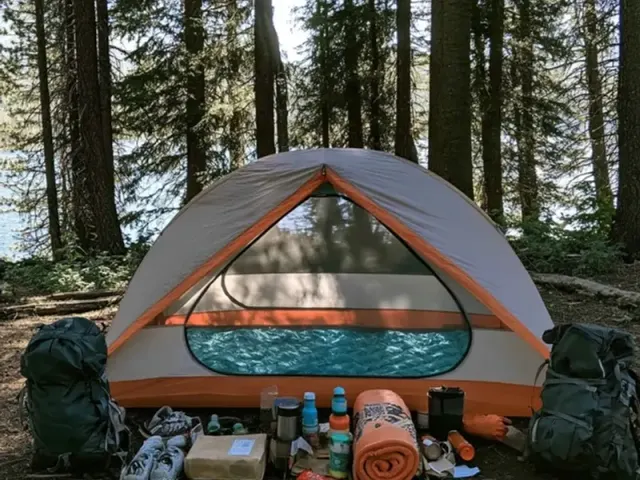
Tent Camping Packing Checklist: Gear, Setup, and Comfort
The first time I drove home from a camping trip with a tent half-dried in the trunk and a vague sense I’d forgotten something important, I started writing lists. Not just any lists—ones that accounted for the wind, the rain, the cold, and the simple joy of not having to dig through a duffel at midnight for a headlamp. Over years of tent camping in everything from calm summer nights to gusty mountain passes, I’ve refined a packing checklist that covers the essentials without the fluff. Here’s what actually works.

The Core Shelter: Tent, Ground Cloth, and Stakes
Your tent is the heart of your camp. Before packing, lay out all components on a clean tarp. Count the poles—most three-season tents have two main poles plus a short ridge pole. Check that every stake has a matching partner; I carry two extras per tent because a bent stake in rocky soil can ruin a pitch. For the ground cloth, cut it to exactly the tent’s footprint—no more than an inch beyond the edges. A cloth that extends catches rain and channels it under your floor. Pack the rain fly in an accessible pocket; you don’t want to unpack everything when clouds roll in.
Setup Sequence for Wind and Rain
I always stake the windward corners first. If gusts are forecast, I use a low-pitch: lower the pole ends on the windward side by about six inches, then stake the guylines at a 45-degree angle. This reduces the tent’s profile. For rain, pitch the fly taut with a slight gap for airflow—too tight and condensation drips inside; too loose and it flaps against the mesh.
Sleep System: Pad, Bag, and Pillow
A sleeping pad’s R-value matters more than thickness for warmth. I check the forecast and choose accordingly: R-value 2-3 for summer, 4+ for below-freezing. Inflatable pads need a repair kit—a patch and a small pump sack (I use the stuff sack as a pump by trapping air and pressing down). For the sleeping bag, store it in a waterproof compression sack, not the original cotton one. Cotton absorbs moisture and adds weight. A simple trick: pack a silk or fleece liner to boost warmth by about 10 degrees without a heavier bag.
Camp Kitchen: Stove, Fuel, and Food Storage
I use a single-burner canister stove for simplicity. Pack the fuel canister in a separate, ventilated pouch—never inside a sealed bag. For food, bring a bear canister or an odor-proof bag if regulations require it. Even in low-risk areas, hanging food at least 10 feet off the ground and 4 feet from the trunk of a tree prevents raccoon visits. Pack a lightweight pot with a lid to boil water faster. And always carry a small scrub sponge and biodegradable soap; cleaning dishes immediately avoids attracting insects.
Clothing and Layering Strategy
I pack for three layers: a moisture-wicking base (synthetic or wool), an insulating mid-layer (fleece or down), and a waterproof shell. Never cotton—it stays wet and chills you. For rain, a poncho works over a pack but a jacket with pit zips is better for active hiking. Pack one extra pair of socks in a dry bag inside your sleeping bag; there’s nothing like cold, wet feet at 2 a.m. A beanie and gloves are worth their weight even in summer—mountain nights drop fast.
Lighting and Navigation
A headlamp is non-negotiable. I bring two: one for my head, one as backup in the tent. Check batteries before each trip—alkaline batteries leak if left in devices. For navigation, a paper map of the area and a compass, plus a downloaded map on your phone in airplane mode (saves battery). A small lantern with a dimmer setting inside the tent creates a cozy glow without blinding your tentmate.
Safety and Tools
A first-aid kit should include blister treatment, antihistamines, and pain relievers—not just bandages. I add a small multi-tool with scissors and pliers for cutting guylines or opening stubborn packages. For fire safety, bring a butane lighter in a waterproof container and a small fire extinguisher or a bucket for water next to the fire pit. Never leave a fire unattended, and douse it completely until the ashes are cool to the touch.
The One Trick You Won’t Find on Other Lists
Here’s my specific angle: pack a small, dedicated “midnight kit.” This is a zippered pouch with a headlamp, a spare battery, a whistle, a tiny notepad and pen, and a granola bar. Keep it clipped to the tent’s interior loop or inside your sleeping bag stuff sack. When you wake up at 3 a.m. needing to pee or hear a strange noise, you don’t fumble through your main pack. You grab the pouch. It’s saved me from stumbling over roots and from lying awake worrying about that rustle outside.
Final Checklist: Quick Review Before You Leave
- Tent (poles, stakes, rain fly, ground cloth)
- Sleeping pad and bag (with repair kit)
- Stove, fuel, pot, lighter, and utensils
- Food in bear-proof container or bag
- Clothing layers (base, mid, shell, extra socks)
- Headlamps (2) with fresh batteries
- Map, compass, phone with downloaded map
- First-aid kit and multi-tool
- Midnight kit (headlamp, snack, whistle)
- Water—at least 1 gallon per person per day
Takeaway: A good checklist isn’t about having everything—it’s about having what you need for the conditions you’ll face. Test your gear at home, adapt for weather, and pack that midnight kit. Your future self, standing under a starry sky with a warm sleeping bag and a full stomach, will thank you.
Frequently Asked Questions
What is the most common mistake when packing for tent camping?
Forgetting to check your gear before you leave. I always do a 'dry run' setup in my backyard or living room to confirm I have all tent poles, stakes, and guylines. Nothing ruins a trip like arriving at dusk with a missing pole.
How do I pack a tent to save space?
Separate the poles, stakes, and rain fly from the tent body. Roll the tent body loosely, then place poles and stakes in a stuff sack or on top inside your pack. This prevents punctures and makes setup faster.
What should I pack for unexpected weather?
A rain fly with extra guylines, a ground cloth that extends just under the tent (not beyond, or it collects water), and a dry bag for clothes. In wind, use a low-pitch and stake the windward side first.
How do I keep my sleeping bag dry?
Store it in a waterproof compression sack, not the original stuff sack. Also, air it out each morning to reduce condensation. Never pack a damp bag—mildew ruins insulation.