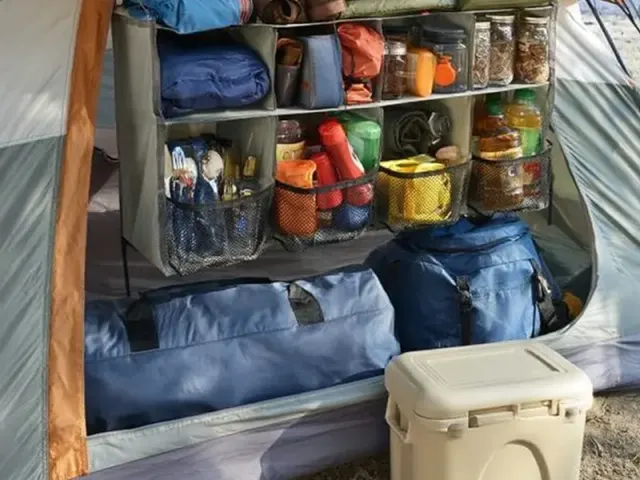
Tent Camping Organization Storage: Smart Gear Flow
The first thing to hit the ground at a campsite is usually a pile of stuff. Bags, bins, coolers, chairs. It spreads out like a slow tide. And once you're inside the tent, that chaos follows you. I've spent years refining a system that keeps gear accessible without turning your tent into a jumble of straps and zippers. It's not about buying expensive organizers. It's about flow.

Zone Your Tent Like a Room
Think of your tent as three distinct zones. The sleep zone is at the head end, where your sleeping pads and bags live. The dry storage zone is at the foot end, for everything that must stay clean and dry. The transition zone is near the door—a place for wet boots, muddy pants, and the daypack you grabbed for firewood. This separation prevents dirt from migrating into your sleeping area and keeps you from digging through a pile at 2 AM for your headlamp.
Why Zone Placement Matters in Rain
If rain is in the forecast, pitch your tent so the door faces away from the prevailing wind. This keeps the transition zone drier. I always stake down a small doormat (a cut piece of outdoor carpet or a cheap rubber mat) right outside the door. Inside, lay a microfiber towel just inside the door flap. Every person who enters wipes their boots on the mat, then steps onto the towel. Sounds small. It saves hours of sweeping dirt out of your sleeping bag.
The Dry Bag System: Not Just for Kayaks
Forget duffel bags. Use dry bags—the roll-top kind—to organize your gear inside the tent. I use three sizes. A 5-liter for electronics and documents. A 10-liter for a change of clothes. A 20-liter for the sleeping bag and pillow. The roll-top closure compresses air out, saving space and keeping everything bone dry if condensation builds on the tent walls. Label each bag with a piece of duct tape and a permanent marker. When you unpack at camp, stack them at the foot end of your tent. No rummaging. You know exactly which bag holds your base layer.
The Common Mistake with Dry Bags
Don't overfill them. A dry bag that's stuffed to the brim won't roll closed properly. Leave a hand's width of empty bag above the contents before you roll. This ensures a watertight seal and makes the bag easier to stack.
Collapsible Bins for the Foot End
For car camping, collapsible fabric bins (the cube-shaped ones with handles) are a game changer. They hold shape when full, fold flat when empty. I use two: one for cooking gear (stove, fuel canister, utensils, spices), one for camp tools (mallet, stakes, multi-tool, headlamp, batteries). Stack them at the foot of the tent. When you need the stove, you pull the bin, grab what you need, and slide it back. No dumping everything out onto the tent floor.
Vestibule Organization: The Dirty Zone
The vestibule is your mudroom. Use it like one. Hang a mesh shoe organizer (the kind with clear pockets) from the tent pole or a loop of paracord tied to the vestibule ceiling. Each pocket holds one person's small items: sunglasses, lip balm, pocket knife, headlamp. The bottom pockets are for dirty socks or wet gloves. Keep boots on a small tarp or a plastic tub lid placed on the ground outside the vestibule. I've seen campers leave boots inside the tent vestibule overnight, only to find them soaked from ground moisture. Lift them off the ground.
Camp Kitchen Storage: The Flow from Bin to Table
Your kitchen bin should have a designated spot outside the tent, under a tarp or in the car if rain threatens. But inside the tent, keep a small 'kitchen caddy'—a plastic tote with a handle—that holds just the essentials for making coffee or a quick meal without leaving the tent: a spoon, instant coffee packets, a single-burner stove, a small pot, a lighter. This avoids dragging the whole kitchen bin into the tent when it's raining sideways at 6 AM.
Safe Fuel Storage Note
Never store fuel canisters inside the tent. Keep them in a ventilated bin outside the tent, away from direct sun and any heat source. Propane and isobutane can leak. A single spark from a static discharge or a lantern can ignite fumes. Store them upright and secure them from tipping.
Nighttime Organization: The Headlamp Hack
Nothing kills a good night's sleep like fumbling for a headlamp. I keep one headlamp per person clipped to a small loop of paracord tied to the tent ceiling above the sleep zone. The loop is at arm's reach from the pillow. The headlamp stays there all night. No searching. For kids, I use a small glow stick taped to the zipper pull of their sleeping bag. They can find the zipper in the dark without waking anyone.
Adapting for Kids: The Color Code
Camping with kids means their gear multiplies. I assign each child a color. Their dry bag is that color. Their bin for toys and books is that color. Their headlamp is that color. When it's time to pack up, they know exactly which items belong to them. It cuts packing time in half and reduces lost items. The rule: every item must be inside its designated bin before the tent comes down. No exceptions.
Takeaway
Tent camping organization storage isn't about perfection. It's about creating a system that lets you find what you need without turning your shelter into a pile of stuff. Zone your tent. Use dry bags for compression and separation. Keep the dirty stuff outside or in the vestibule. And always know where your headlamp is. A little method saves a lot of frustration.
Frequently Asked Questions
How do I keep gear organized inside a small tent?
Use a three-zone system: sleep zone (head end), dry storage zone (foot end for bags), and a transition zone near the door for shoes and wet items. Stack collapsible bins under the foot end.
What's the best way to store food in a tent campsite?
Never store food inside the tent. Use a bear canister or odor-proof bag placed 100 feet downwind from your sleeping area. For car camping, a locking cooler in the vehicle works.
How do I organize a tent vestibule effectively?
Use a small doormat or towel for dirty shoes. Hang a mesh shoe organizer on the tent pole for small items like headlamps and multitools. Keep rain gear in a dry bag clipped to the vestibule ceiling.