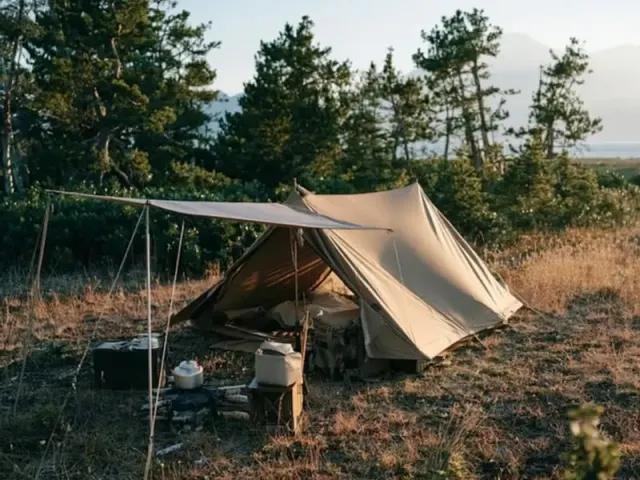
Tent Camping Organization Hacks: Gear Storage Tips
The first time I unzipped my tent after a long hike, I was met with a tangle of sleeping bag straps, a rogue headlamp, and a half-crushed bag of trail mix. That knot of chaos is familiar to many tent campers. But organization isn't about being neat for the sake of it—it's about saving time, reducing frustration, and keeping your gear dry and functional when the weather turns. Here are the tent camping organization hacks I rely on, refined through years of pitching tents in rain, wind, and the occasional unexpected frost.

Zone Your Tent Like a Tiny House
Think of your tent as three distinct zones: the sleeping zone (your pad and bag), the gear zone (where you store clothes, tools, and extras), and the entry zone (where you take off boots and keep muddy gear). Assign each zone a specific area. For a typical 4-person tent, I mark the sleeping zone as the back half, the gear zone as one side near the door, and the entry zone as the vestibule or just inside the door flap. This prevents that morning shuffle where you step on someone's pillow while hunting for a jacket.
Why Zoning Works
When rain forces you inside, you can find your rain jacket without digging through a sleeping bag. In wind, you don't have loose items flying around. And with kids, it gives each person a defined space—fewer arguments over who left their shoes in the middle.
The Clear Bin System (Not Just Any Bin)
Forget the duffel bag black hole. Use clear, stackable bins with tight-sealing lids. I use 10-quart bins for toiletries and electronics, 15-quart for kitchen supplies, and 20-quart for clothes. The key is labeling each bin with a permanent marker on the lid and one side—so you can read it even when bins are stacked. Why clear? Because when you're searching for a specific spice packet at dusk, you can see it without unstacking three bins. Common mistake: buying bins that are too tall to fit under your tent's low ceiling. Measure your tent's interior height before buying.
Adapt for Rain and Damp
Line each bin with a silica gel packet (the kind you save from new shoes). This absorbs moisture and prevents mildew on clothes. If you're camping in high humidity, store bins inside a large garbage bag before putting them in the tent—it adds a second layer of protection.
Hanging Organizers: Your Vertical Friend
Most tents have a loop at the top center. Use it. A hanging mesh organizer with pockets holds headlamps, phones, glasses, sunscreen, and a deck of cards. I hang it at head height when sitting—about 24 inches below the peak. This keeps small items off the floor and visible. For a 3-person tent, a 5-pocket organizer is enough; for larger tents, go with 8 pockets. Pro tip: clip a small carabiner to the bottom loop and hang your camp lantern there—it lights the whole tent evenly.
Kitchen in a Nest: The Cookware Stack
Your camp kitchen doesn't need a separate table. I use nested cookware—a pot, a pan, and a kettle that fit inside each other. Inside the largest pot, I store a cutting board, a spatula, and a small bottle of oil. In the pan, I nest a spice container (a repurposed pill organizer with seven compartments). This stack takes up less space than a loaf of bread. Common mistake: bringing a full set of kitchen gear from home. Instead, pack only what you'll cook—if you're making one-pot meals, you need one pot and one spoon.
Weather-Ready Kitchen Setup
On a windy day, place the cookware stack inside a small plastic tub with a lid. This prevents it from blowing away and keeps sand out. In cold weather, wrap the stack in a towel to prevent rattling during transport.
The Vestibule: Your Mudroom
If your tent has a vestibule, treat it like a mudroom. Store boots, rain gear, and a small doormat (a cut-down rubber car mat works perfectly) there. This keeps mud, water, and pine needles out of the sleeping area. No vestibule? Use a large dry bag as a boot bin just inside the door. In heavy rain, I keep a microfiber towel in the vestibule to wipe down wet gear before bringing it inside. Safety note: never store food in the vestibule—it attracts raccoons and bears. Keep all food in a bear canister or bear bag at least 100 feet from your tent.
Lighting and Power Organization
Tangled cords are a tripping hazard in the dark. I use a small mesh pouch for all charging cables, a power bank, and a multi-port USB hub. This pouch stays in the hanging organizer. For lighting, I clip two small LED lanterns—one near the door for entry/exit, one near the sleeping zone for reading. The lanterns have a dimmer switch so I can lower the light without fumbling. Common mistake: relying solely on a headlamp. It's fine for solo trips, but in a family tent, a fixed lantern reduces eye strain and keeps hands free.
Packing Order for Setup and Takedown
When you arrive at camp, you want the tent up first. So pack your tent body, poles, and rainfly on top of everything in your backpack or car. Then your sleeping gear. Then clothes and kitchen. This means you can set up shelter before dealing with the rest. At takedown, reverse the order: pack clothes and kitchen first, then sleeping gear, then tent last. This prevents the tent from sitting in the dirt while you organize the rest. In wet conditions, wipe the tent floor with a sponge before packing—it prevents mildew.
Takeaway
Organizing your tent isn't about perfection—it's about reducing friction. The less time you spend searching for a lighter or untangling a cord, the more time you have to enjoy the fire, the stars, or the quiet. Start with one hack: zone your tent. Then add the clear bins. You'll wonder why you ever camped any other way.
Frequently Asked Questions
What is the best way to organize a tent for camping?
Start by designating zones: sleeping, gear, and entry. Use clear bins for small items, a hanging organizer for daily essentials, and a doormat to keep dirt out. Keep frequently used items near the door.
How do I keep my tent organized with kids?
Assign each child a labeled bin for their clothes and toys. Use a hanging shoe organizer for snacks, sunscreen, and headlamps. Set a rule that backpacks stay in the vestibule to keep the sleeping area clear.
What should I avoid when organizing a tent?
Avoid overpacking—every extra item creates clutter. Don't store food inside the tent because it attracts wildlife. Also, avoid placing heavy gear near the tent walls where it can create condensation or damage the fabric.