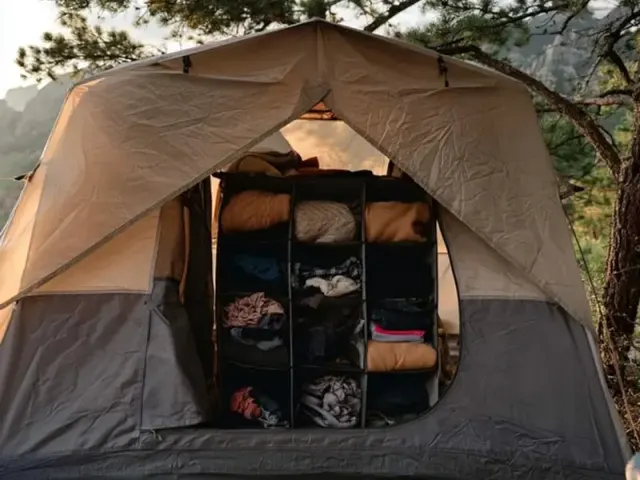
Tent Camping Organization Closet: Smart Gear Storage
The first time I unzipped my tent after a long hike and saw a mess of tangled sleeping bags, scattered socks, and a crushed loaf of bread, I knew I needed a system. A tent camping organization closet isn't about buying fancy gear. It's about creating zones that make sense for how you actually use your tent.

Here's the method that transformed my trips from chaotic to calm.
Start with the Floor Plan
Before you pack a single bin, visualize your tent's interior. The door zone is for dirty shoes and wet gear. The sleeping zone is for pads and bags. The living zone is for everything else. I draw a simple rectangle on paper and mark these three areas. This prevents the common mistake of shoving everything against the walls, which creates tripping hazards and traps condensation.
The Three-Zone Rule
Door Zone: A small, waterproof mat or tarp (2x3 feet) catches mud and dew. I keep a mesh bag for damp towels and a small bin for shoes. This keeps dirt from migrating into the sleeping area.
Sleeping Zone: This is sacred. Only sleeping pads, bags, and pillows go here. No food, no electronics, no loose clothes. I use a compression sack for each sleeping bag, which reduces bulk by about 40% and keeps them clean.
Living Zone: This is where your organization closet lives. I use three to four clear plastic bins, 10 to 15 gallons each. Clear bins let me see contents without opening every lid. I label each bin with a permanent marker on masking tape: Kitchen, Clothes, Tools, Extras. The Extras bin holds books, games, and a first-aid kit. It stays in the car unless needed.
Choose the Right Containers
Not all bins are equal. I look for ones with locking lids that seal tight. A loose lid invites ants and moisture. I prefer bins with slightly recessed handles so they stack without slipping. For tent camping, medium bins are best. Large ones get too heavy when full and are awkward to carry across a campsite.
One specific trick: I use a single, extra-flat bin (about 4 inches tall) for nighttime essentials. This goes right next to my sleeping pad. Inside: a headlamp, a water bottle, a snack bar, and a spare phone battery. No fumbling in the dark. No waking everyone up.
Hanging Storage: The Vertical Solution
Tent walls are wasted space. I use a lightweight mesh organizer that hangs from a loop on the tent peak. It has six pockets. I assign each pocket a category: sunscreen and bug spray, phone and charger, glasses and book, snacks, trash bag, and a spare towel. This keeps small items off the floor and easy to find.
For tents with a gear loft, I use it for things I need rarely: extra batteries, a repair kit, or a camp map. If your tent doesn't have a loft, a small mesh hammock strung between two poles works just as well.
Pack in Reverse Order of Use
This is the single best technique I've learned. When you arrive at camp, the first thing you need is the tent itself. Then sleeping gear. Then kitchen. Then clothes. So pack your car so that the tent and sleeping bags are on top. Your kitchen bin should be buried deeper because you won't need it until after the tent is up.
Inside each bin, pack the same way. In the kitchen bin, the stove goes on top, then fuel, then pots, then utensils, then food. When you cook dinner, you pull out the stove first, then pots, then food. No digging.
This method saves 15 to 20 minutes of frustration every single setup and teardown.
Adapt for Weather and Terrain
In rain, everything changes. Keep a dry bin (a separate, sealed bin) for electronics and sleeping clothes. I line it with a small trash bag as a backup. Place it in the center of the tent, away from walls where condensation forms. On wet ground, I use a footprint under the tent and a small tarp inside the door zone to catch drips.
In wind, secure your bins. I use a bungee cord looped around a bin handle and a tent stake. This keeps bins from sliding into the tent walls or tipping over. In hot weather, keep food and toiletries in a cooler or in the car, not in the tent, to avoid attracting animals.
Camping with kids? Give each child their own small bin. Let them pack it themselves. Set a rule: one item out, one item back in before meals or bedtime. This builds good habits and keeps the tent from looking like a toy explosion.
Safety Note: Never Store Food in the Sleeping Zone
Bears, raccoons, and mice are attracted to food smells. Even sealed bins inside a tent can attract wildlife. I keep all food and scented items (toothpaste, deodorant) in a bear-resistant container or hung from a tree at least 100 feet from the tent. This is non-negotiable. Check local regulations for specific requirements.
Maintain Your System
After each trip, I unpack every bin completely. I wash and dry all items before repacking. This prevents mold and mildew. I also check for damage: broken zippers, cracked bins, frayed straps. I replace what's worn. A system only works if it's maintained.
One more tip: keep a small notebook in the Tools bin. After each trip, jot down one thing you wished you had or one thing you didn't use. Over time, this refines your closet to exactly what you need.
Takeaway: A tent camping organization closet is a living system, not a one-time setup. Start with clear bins, three zones, and reverse-order packing. Adapt for weather and wildlife. Keep it simple. The goal is to spend less time hunting for gear and more time enjoying the pine-scented air and the sound of rain on the fly.
Frequently Asked Questions
What is the best way to organize a tent for camping?
Start with a dedicated gear closet: use clear, stackable bins labeled by category (kitchen, clothes, tools). Hang mesh organizers on tent walls for small items. Keep a designated spot for each item and pack in reverse order of use.
How do I keep my tent organized with kids?
Assign each child a small bin for their personal items. Use hanging shoe organizers for toys, books, and snacks. Establish a rule: one item out, one item back in before meals or bedtime.
What size storage bins work best for tent camping?
Medium 10-15 gallon clear bins with locking lids are ideal. They fit in most car trunks, stack well, and are easy to carry. Avoid extra-large bins that are heavy when full.