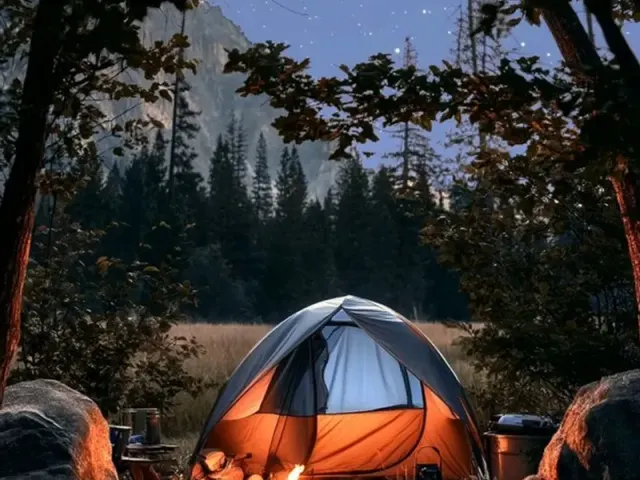
Tent Camping Organization Bedroom: Sleep Zone Setup
The first time I crawled into my tent after a long hike, the sleeping bags were tangled, a headlamp had rolled into a corner, and my water bottle was lost somewhere under a jacket. That night, every small frustration stole minutes of sleep. Since then, I've learned that a well-organized tent bedroom is not about perfection—it's about creating a calm, functional space where you can rest and recharge. Here's how I set up my sleep zone so everything has a place and nothing gets lost in the dark.

Choose the Right Layout for Your Tent Floor
Before you toss in gear, lay out your sleeping pads and bags in the tent. For a two-person tent, I place pads side by side with a small gap between them for a central aisle. This keeps each person's sleep setup separate and prevents midnight wrestling for space. For solo campers, position the pad slightly off-center to leave room for a gear cubby on one side. Always orient the head end away from the tent door to avoid drafts and to keep gear from blocking the exit.
Common Mistake to Avoid
Don't shove sleeping pads all the way to the tent walls. Condensation can form on the fly and drip onto your bag. Leave a few inches of air gap on all sides. Also, test the layout before dark—once the sun goes down, rearranging is a hassle.
Create a 'Sleep Station' for Each Person
I pack a small, lightweight stuff sack or mesh bag for each person's nighttime essentials: headlamp, earplugs, a small water bottle, glasses case, and a phone (if used for alarm). This bag lives beside the pillow or hangs from a tent loop. In the morning, everything goes back into the bag—no more hunting for a lost headlamp under a sleeping bag. For families, label each bag with a reflective patch so kids can find theirs in the dark.
Use Vertical Space for Storage
Tent floors get crowded fast. I hang a lightweight mesh organizer (the kind with multiple pockets) from a tent loop near the door. This holds my map, knife, lip balm, and a small headlamp. For clothes, I use a compact clothesline strung across the tent ceiling—drape a dry towel or a change of shirt over it. In rainy weather, this also helps dry damp gear without soaking the sleeping area. Keep heavy items low; never hang anything that could fall on a sleeper.
Keep Shoes and Dirty Gear Outside the Sleep Zone
I always designate a small vestibule space or a tarp just outside the tent door for shoes and muddy boots. Inside, I use a small plastic bin or dry bag for wet or dirty gear (rain jacket, muddy pants). This bin sits near the door, not near my head. In the morning, I can grab it and go without tracking dirt into the sleeping area. For windy nights, secure the bin with a bungee to a tent stake to prevent it from blowing away.
Manage Temperature and Condensation
A warm, dry sleep zone is key. I vent the tent fly at the top and bottom to allow airflow—this reduces condensation that can dampen your bag. On cold nights, I use a closed-cell foam pad under my inflatable pad for extra insulation. On hot nights, I swap my sleeping bag for a lightweight quilt and leave the fly partially open. Always check the forecast and adjust your venting strategy accordingly.
Nighttime Safety Essentials
Keep a small, reliable lantern or headlamp within arm's reach. I use a red-light mode to preserve night vision and avoid blinding my tent mate. Store a small first-aid kit in a clear bag near the door. For wildlife safety, never keep food or scented items in the tent bedroom—store them in a bear canister or hung bag at least 100 feet from your sleeping area. Check local regulations for specific requirements.
Morning Reset Routine
When I wake, I air out my sleeping bag by hanging it over a line or tree branch for 10 minutes. I shake out the tent floor and sweep with a small hand broom. Then I repack all sleep gear into its designated stuff sack or bin. This five-minute routine keeps the tent bedroom fresh and ready for the next night. It also prevents mildew and odors from building up over a multi-day trip.
Takeaway: An organized tent bedroom starts with a simple layout, designated storage, and a commitment to keeping sleep gear separate from the rest of your camp life. The payoff is a better night's sleep—and a more enjoyable camping experience from dusk to dawn.
Frequently Asked Questions
How do I organize my tent bedroom for two people?
Divide the tent floor into two clear sleeping zones, each with a sleeping pad and bag. Place a central aisle for access. Use separate small bins or bags for each person's nighttime essentials (headlamp, water, glasses). Keep shoes near the door in a designated spot.
What is the best way to store clothes in a tent bedroom?
Use a lightweight hanging organizer or mesh shoe pocket that hangs from the tent ceiling or a loop. Fold clothes flat or roll them to save space. Keep a dry bag for dirty laundry. Avoid piling clothes on the tent floor where they can get damp.
How can I keep my tent bedroom from getting cluttered?
Establish a 'one item in, one item out' rule for your sleeping area. Use designated storage for each category: sleep gear, clothes, electronics, and toiletries. Pack a small trash bag and empty it daily. Keep only what you need for sleeping and changing inside the tent.
Should I use a tent footprint or tarp under my sleeping area?
Yes, a footprint or tarp protects the tent floor from moisture and punctures. Cut it slightly smaller than the tent footprint to avoid water pooling underneath. For extra insulation on cold ground, add a closed-cell foam pad beneath your sleeping pad.