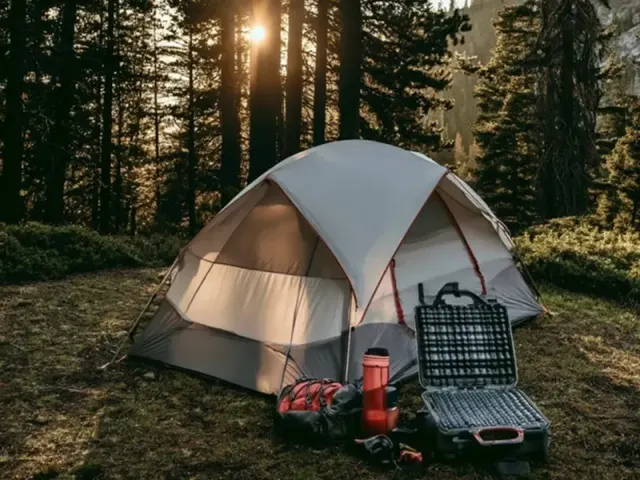
Tent Camping Must Haves: Gear That Actually Matters
The first time I heard rain on a tent fly, I was wedged in a cheap dome with a sagging rainfly that funneled water straight onto my sleeping bag. That night taught me more about tent camping must haves than any list ever could. It's not about buying the most expensive gear—it's about understanding what actually works when the weather turns, the ground is uneven, and you're tired after a long hike.

Start With the Ground: The Footprint
A tent footprint is not optional. It's the single most effective piece of gear for keeping your tent floor dry and puncture-free. But here's the trick: cut your footprint about two inches smaller than the tent floor on all sides. If it sticks out, rain runs off the fly, hits the footprint, and pools under your tent. That's a wet night. I use a cheap polycryo sheet cut to size—it's lightweight and durable. For rocky terrain, upgrade to a thicker ground cloth. Always lay the footprint down first, then pitch your tent on top.
Stakes and Guylines: The Unsung Heroes
Most tents come with cheap wire stakes that bend on the first rocky site. Replace them with lightweight aluminum Y-stakes or heavy-duty steel stakes for hard-packed ground. I carry at least eight stakes for a two-person tent, plus four extra for guylines. Guyline tension is everything in wind. Attach guylines to every loop—not just the ones on the rainfly. Stake them out at a 45-degree angle from the tent. This creates a stable triangle that keeps the tent from flapping. Common mistake: staking guylines straight out from the tent. That pulls the fly too tight and can rip the seams.
Wind Setup Sequence
If wind is forecasted, pitch with the narrow end facing the wind. Stake the windward side first, then the leeward. Tighten guylines after the tent is fully erected. A flapping tent is a noisy tent, but worse, it can collapse in a gust. Safety note: never pitch under a dead tree or near a widowmaker.
Lighting That Actually Works
Headlamps are better than lanterns for hands-free tasks, but a headlamp dangling from the tent peak creates harsh shadows. I bring a small, dimmable LED lantern that hangs from a loop in the tent ceiling. Set it to a warm, low glow—it won't attract bugs and lets you move around without blinding your partner. For reading, a red light mode preserves night vision. Keep a spare headlamp in your cook kit in case the main one dies.
Sleep System: Comfort Is Not a Luxury
Your sleeping pad matters more than your sleeping bag for warmth. The ground sucks heat out of you. A closed-cell foam pad is cheap and indestructible, but an inflatable pad with an R-value of at least 4.0 is better for cold nights. I layer a thin foam pad under an inflatable for extra insulation and puncture protection. For the bag, choose a temperature rating 10 degrees lower than the lowest expected temp. If you sleep cold, wear a base layer and a hat to bed. Never store your sleeping bag compressed—it ruins the loft.
Kitchen Gear: Keep It Simple and Safe
A single-burner camp stove is enough for most trips. Pair it with a 1-liter pot and a lightweight mug. I use a windscreen made from a cut-up aluminum baking sheet—it saves fuel and speeds up boiling. Always cook at least 100 feet from your tent. Food smells attract animals. Store all food, toothpaste, and scented items in a bear-proof canister or hang them in a bear bag 12 feet off the ground and 4 feet from a tree trunk. Never bring food inside the tent. That's the fastest way to wake up with a raccoon chewing through your mesh.
Repair and Emergency Kit
A small repair kit is worth its weight. Include a patch kit for the tent floor and sleeping pad, a needle and thread for rips, and a few feet of duct tape wrapped around a pencil. For emergencies, carry a whistle, a fire starter, and a basic first-aid kit. Know how to use them. Practice pitching your tent in the backyard before you go. It's the best way to spot missing stakes or a broken pole sleeve.
Organization: The Little Things
Use mesh stuff sacks to organize small items: one for toiletries, one for electronics, one for repair gear. Keep your tent footprint, stakes, and rainfly in a single bag so you're not hunting for them in the dark. A small rug or mat at the tent entrance catches dirt and keeps the floor cleaner. I cut a piece of indoor-outdoor carpet to fit the vestibule area—it's a game changer for keeping sand and pine needles out of the sleeping area.
Takeaway
Real tent camping must haves are the ones that keep you dry, warm, and safe. A footprint, quality stakes, a good sleep system, and a smart kitchen setup beat any gadget. Spend time learning how to pitch your tent in wind and rain before you need to. That night of rain taught me that preparation is the only gear that truly matters.
Frequently Asked Questions
What is the most important tent camping must have?
A properly sized tent footprint is often overlooked but critical. It protects your tent floor from abrasion and moisture, extending the life of your tent. Pair it with quality stakes and guylines for a stable setup.
How do I keep my tent dry in rain?
Use a footprint cut slightly smaller than your tent floor to avoid water pooling. Pitch your tent on high ground, and always stake down the rainfly tight. Seal seams annually with a seam sealer for extra protection.
What should I pack for tent camping with kids?
Bring extra stakes and guylines for safety, a headlamp per person, and a simple repair kit. For comfort, pack a small rug or mat for inside the tent to keep dirt out. Always store food in bear-proof containers away from the tent.