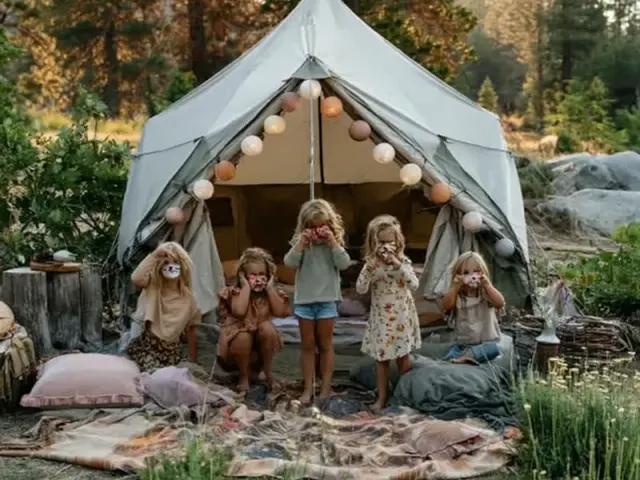
Tent Camping Ideas Kids: 7 Pro Tips for a Smooth Trip
The first time I took kids tent camping, I learned one hard truth: a tent is not a babysitter. You can't just pitch it and hope for the best. Kids need their own space, their own rhythm, and a setup that works with their energy, not against it. After many trips—some smooth, some a muddy mess—I've dialed in a method that keeps everyone sane and actually having fun. Here are seven tent camping ideas for kids that go beyond the obvious.

1. Assign a Kid Zone Inside the Tent
Don't let sleeping bags sprawl everywhere. Pick one side of the tent—the foot-end or a corner—and declare it the kid zone. Lay down a soft, washable rug or a foam playmat (the interlocking puzzle kind, about 2x3 feet). This gives them a defined area for coloring, reading, or playing with small toys. The rest of the tent stays clear for adult gear and walking paths. Common mistake: letting kids pile all their stuff in the middle. You'll trip all night. Instead, give each child a small mesh bag or a plastic bin (the 10-quart size fits under a cot) for their personal items.
2. The Windproof Vestibule Trick
Wind is the enemy of a calm tent. Kids feel it first—cold drafts, flapping fabric, sand in their sleeping bags. Here's a technique that changed everything for me: stake the vestibule before you fully pitch the main tent body. Lay the tent flat, stake the two vestibule corners first, then the back corners, then insert the poles. This locks the tent down against gusts. For extra stability, use 8-inch stakes at a 45-degree angle away from the tent. On a windy afternoon, this keeps the tent from shimmying and scaring little ones.
3. Create a 'Mud-Free' Entry System
Kids track in dirt, pine needles, and morning dew. Instead of fighting it, design a two-step entry. Place a small doormat (a cheap rubber one from the hardware store, 18x30 inches) just outside the tent door. Inside, set a second mat or a large towel. The rule: shoes come off on the outside mat, then feet get wiped on the inside towel. I keep a small plastic tub (like a dishpan) next to the inside mat for wet shoes. This keeps the tent floor dry and reduces cleaning time by half. For rainy trips, add a small tarp under the tent footprint—extend it six inches past the door to catch runoff.
4. The 'Silent Gear' Rule for Sleeping
Kids wake at every crinkle. That means no plastic bags in the tent after bedtime. I repack snacks and toiletries into fabric pouches or silicone bags before the trip. Sleeping bags should be the quiet kind—avoid cheap nylon shells that sound like chip bags. If your kid's bag is noisy, try a fleece liner inside it. Also, use a headlamp with a red light mode for nighttime bathroom trips. White light jolts everyone awake; red light lets them find the zipper without a fuss.
5. Stargazing with a Shelter Mindset
Kids love looking up at stars, but they also need to feel safe. Here's a specific setup: pitch the tent so the door faces the best view (usually south or east, away from campground lights). Leave the rainfly off on clear nights, but keep it within reach in a dry bag. Before dark, show your child how to zip the fly from inside using the pull cord. This way, if clouds roll in or they get spooked, they can close the tent quickly without stepping outside. I always practice this twice in daylight—once with the kid doing it alone.
6. The 'Camper's Kitchen' at Picnic Table Height
Cooking with kids nearby is chaotic unless you organize the space. Set up a camp kitchen on the picnic table, not the ground. Use a folding table (24x48 inches works well) next to the tent for prep. Store all sharp tools, hot pots, and fuel canisters on the left side (if right-handed) or in a closed bin. Kids can help with safe tasks: washing berries in a collapsible sink, tearing lettuce, or stirring cold ingredients. Keep a small trash bag clipped to the table leg with a binder clip—no loose wrappers blowing into the tent.
7. The 'Cozy Corner' for Windy Evenings
When the wind picks up and the temperature drops, kids get restless. Create a cozy corner inside the tent using a string of battery-powered LED fairy lights (the copper wire kind, safe for tents) draped along the ceiling seam. Add a small, soft blanket—not a sleeping bag—for them to wrap around their shoulders. I use a 50x60-inch fleece throw. This gives them a warm spot to read or play a quiet game while you finish dinner. The lights also help them find their way to the door without stumbling over gear.
Takeaway: Camping with kids isn't about perfection—it's about creating small systems that make the tent a comfortable, safe, and fun space. Start with the windproof vestibule trick and the mud-free entry. Those two alone will cut down on frustration and let everyone enjoy the trip. The rest you can add as you go. Happy camping.
Frequently Asked Questions
What is the best tent size for camping with kids?
A 6-person tent works well for a family of four. It gives you room for sleeping bags, a small table, and gear storage. Avoid a 4-person tent—it feels cramped and kids will complain. Always check the floor dimensions, not just the advertised capacity.
How do I keep my kids entertained at the campsite without screens?
Set up a 'nature scavenger hunt' with a printed list of items like a pinecone, a smooth rock, or a yellow leaf. Bring a magnifying glass and a small notebook for drawing. Also, let them help with easy camp tasks like gathering kindling or stirring a pot.
What should I do if it rains while tent camping with kids?
Have a backup plan: a large tarp strung over the picnic table creates a dry hangout. Inside the tent, play card games or read books. Keep a small towel at the door to wipe wet hands and feet. Check all seams and guylines before the trip to avoid leaks.