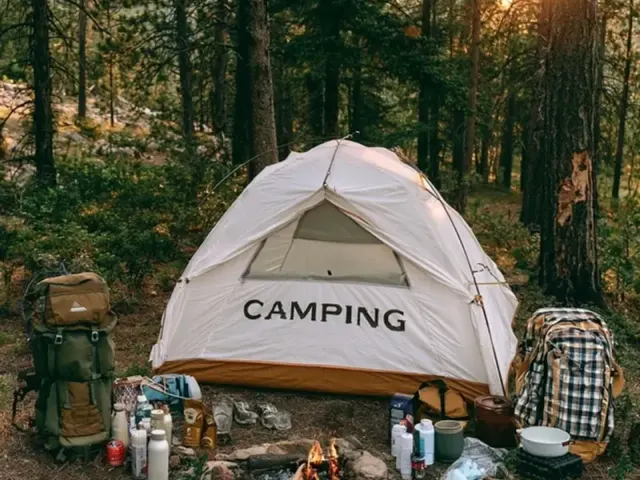
Tent Camping Essentials Packing Lists That Actually Work
The first time I unrolled my sleeping bag on a damp tent floor, I learned the hard way that a groundsheet isn't optional. That cold, miserable night taught me more about packing than any list ever could. A tent camping essentials packing list is only as good as the method behind it. Here's what I've settled on after years of refinement.

The Core Four: Shelter, Sleep, Cook, Light
Start with these four categories, and everything else is a bonus. For shelter, I pack my tent, footprint, rainfly, and stakes in one dedicated stuff sack. I count the stakes before I leave — eight is the minimum for a three-season tent, but I carry twelve for windy terrain. The common mistake is assuming the tent comes with enough stakes. It rarely does for real conditions.
For sleep, I use a three-season sleeping bag rated 10 degrees colder than the forecast low. A sleeping pad with an R-value of at least 4.0 for cold ground, or 2.0 for summer. I pack a small pillow stuff sack that doubles as a laundry bag. The trick here is to inflate your pad at home and let it sit overnight to check for leaks. Do this two days before your trip, not at the trailhead.
Cooking gear means a single-burner stove, one fuel canister, a lightweight pot with a lid, a spork, and a collapsible cup. I pack a small cutting board and a knife with a blade guard. For lighting, I carry one headlamp per person plus a lantern that hangs from the tent peak. I test all batteries at home and pack spares in a ziplock bag.
The Unique Angle: The Three-Bag Method
Here's the specific trick that changed my packing: I use three separate stuff sacks inside my main pack. One for the tent and footprint, one for the sleeping bag and pad, and one for clothes. This way I can set up camp without unpacking everything. I pitch the tent first, then inflate the pad and unroll the bag while the stove boils water. No digging through a messy backpack at dusk.
For the clothes bag, I roll each item tightly and secure it with a rubber band. This saves space and keeps things separate. I include one set of hiking clothes, one set of camp clothes (dry and warm), and an extra pair of socks and underwear for each day. A lightweight down jacket or fleece goes in a separate dry bag at the top of my pack for easy access when the temperature drops.
Weather-Specific Adjustments
For rain, I pack a rainfly that extends beyond the tent footprint by at least six inches on each side. I also bring a small tarp and extra cordage to create a dry cooking area. The mistake is thinking your tent is waterproof. It's not — the rainfly is. I seal the seams on a new tent with seam sealer before the first trip.
For wind, I stake the tent corners first, then the vestibules, and finally use two extra stakes on the windward side at a 45-degree angle. I orient the tent so the narrow end faces the wind. If gusts exceed 30 mph, I lower the tent profile by using shorter trekking poles as ridge poles.
For cold weather, I add a foam pad under my inflatable pad for extra insulation. I pack a Nalgene bottle filled with hot water, wrapped in a sock, and placed in the foot of my sleeping bag. I wear a balaclava and a down hood to sleep. The key is to eat a high-fat snack before bed — it fuels your body's overnight heating.
Safety Notes That Save Trips
Secure your tent against sudden storms by using storm guylines on every loop. Never cook inside your tent — carbon monoxide from stoves is odorless and deadly. Store all food, trash, and scented items in a bear canister or hang it 10 feet off the ground and 4 feet from the tree trunk, depending on local wildlife regulations. Check fire bans before you build any campfire, and fully extinguish fires with water and dirt, stirring until cold.
The Final Check
Before I zip my pack, I do one thing: I shake it. If I hear rattling, something is loose or unsecured. I check that my stove fuel is full, my headlamp works, and my first aid kit has blister treatment and antihistamines. The best packing list is the one you test at home, not the one you read on your phone at the trailhead.
Takeaway: Pack with intention. Use the three-bag method, test your gear before you go, and adapt your list to the weather. Your tent camping essentials packing list should be a living document, not a rigid script. The goal is to be prepared enough to enjoy the quiet moments — the sound of rain on the fly, the warmth of a well-pitched tent, the smell of pine in the morning air.
Frequently Asked Questions
What should I pack for a tent camping trip?
Focus on the big four: shelter (tent with stakes and rainfly), sleep system (sleeping bag, pad, pillow), cooking gear (stove, fuel, pot, utensils), and lighting (lantern, headlamp, extra batteries). Then add layers, first aid, and food storage.
How do I keep my tent organized while camping?
Use color-coded stuff sacks for different categories (sleeping, cooking, clothes). Hang a small mesh organizer inside the tent for phones, glasses, and headlamps. Keep a dry bag for dirty or wet clothes.
What is the most common mistake when packing for tent camping?
Overpacking clothes and underpacking for weather. I always pack one extra layer than I think I need, but I limit clothes to two sets plus a camp outfit. The real mistake is forgetting to test your gear before you leave.