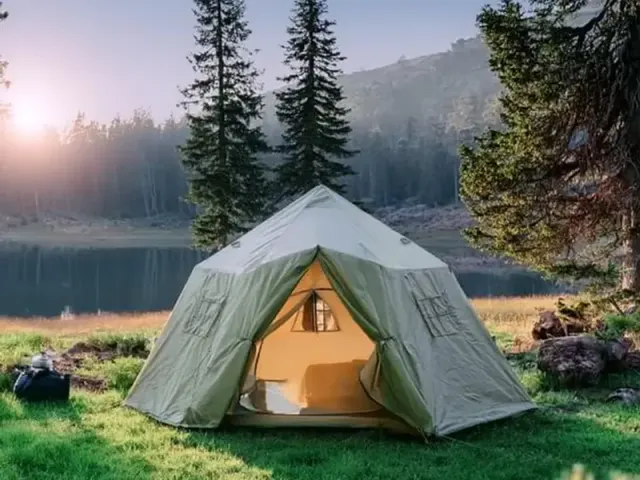
Tent Camping Essentials Glamping: Comfort Without the Weight
There's a particular sound that makes a tent feel like home: the soft patter of rain on the fly, the gentle rustle of fabric in the breeze, and the quiet hiss of a lantern. I've spent countless nights in tents, from minimalist setups to more cushioned ones, and I've learned that true comfort isn't about hauling a mattress from home. It's about choosing the right pieces that work together. Here's how to build a tent camping essentials glamping kit that adds genuine comfort without weighing you down.

The Foundation: Your Sleeping Surface
Forget the flimsy foam pad from the discount store. The ground is a relentless heat thief. Your first upgrade should be a sleeping pad with an R-value of at least 4.5 to 5.0 for three-season use. I prefer a self-inflating pad with a foam core and an air layer—it provides both cushion and insulation. Inflate it fully, then let out just a tiny bit of air so it conforms to your body without bottoming out. That extra half-turn of the valve makes all the difference. Common mistake: not checking the pad's R-value before a cold trip. If the ground is below freezing, you need an R-value of 5.5 or higher. Always test your pad at home for leaks by inflating it and listening near the valve.
Bedding That Works
Skip the bulky comforter. Instead, use a sleeping bag rated 10°F lower than the expected low temperature, then add a lightweight, packable down blanket on top. I layer a fleece liner inside the bag for extra warmth and easy washing. For pillows, a compressible camp pillow is worth the weight—I inflate mine only halfway and stuff it with a spare shirt for adjustable loft. Pro tip: place a closed-cell foam pad under your sleeping pad for an extra insulation layer. It also protects the pad from sharp rocks or roots.
Lighting and Ambiance
Harsh headlamps ruin the mood. I use a warm-toned, dimmable LED lantern hung from the tent's center loop. Place it high to spread light evenly without glare. For reading, a red-light headlamp preserves night vision and won't attract bugs. A string of fairy lights on a thin wire adds a soft glow, but ensure they're battery-powered and rated for indoor use. Never leave them on while you sleep—batteries can overheat. Safety note: always keep a small, separate flashlight within arm's reach in case of emergency.
Organization Without the Clutter
Nothing kills the cozy vibe like tripping over gear. Use a mesh gear loft for small items like glasses, phone, and a book. A hanging organizer with clear pockets keeps toiletries and snacks accessible. I always pack a small, foldable table or a flat rock covered with a cloth for a stable surface. For shoes, a dedicated dry bag outside the tent keeps mud and dew away. The one-item-per-bag rule: each stuff sack holds one category—sleeping gear, clothes, electronics. This makes packing and unpacking quick and prevents that frantic morning search for a missing sock.
Dealing With Weather
Rain is the ultimate test of a glamping setup. Pitch your tent with the door facing away from the prevailing wind. Use a footprint that's slightly smaller than the tent floor—if it sticks out, water will pool underneath. For cold nights, a hot water bottle in a wool sock placed at your feet warms the bag quickly. In heat, open all vents and create cross-breeze by propping the fly door open with a trekking pole. For wind, stake every loop and use additional guylines on the windward side. A taut fly reduces flapping noise and keeps rain out.
Food and Drink Comfort
A warm drink at bedtime is a game-changer. I pre-measure coffee grounds and cocoa mix into small jars. A lightweight stove with a windscreen (use a piece of aluminum foil) boils water fast. Always cook at least 10 feet from the tent—never inside. Store all food in a bear-proof container or hung from a tree away from your sleeping area. A small thermos keeps tea or soup hot for late-night sipping. For a quick breakfast, pre-mix oatmeal with dried fruit in a bag—just add hot water.
Quick Checklist for a Cozy Night
- Sleeping pad with R-value 4.5+
- Sleeping bag rated for lower temps + down blanket
- Dimmable, warm-toned lantern
- Gear loft or hanging organizer
- Hot water bottle (empty, for filling at camp)
- Small thermos for warm drinks
- Stakes and guylines for windy conditions
Takeaway
Glamping in a tent isn't about recreating a bedroom under nylon. It's about thoughtful choices that prioritize insulation, organization, and a bit of warmth. Start with a quality sleeping pad, layer your bedding, control your lighting, and keep gear tidy. Test everything at home first. The goal is a night of deep, uninterrupted sleep that leaves you ready for the trail or the lake the next morning. That's the real luxury.
Frequently Asked Questions
What is the single most important item for tent camping glamping?
A thick, insulated sleeping pad with an R-value of at least 4.5. It provides cushioning and warmth from the cold ground, which is the biggest source of discomfort. Without it, no amount of soft blankets will make up for a chilly, hard surface.
How can I make my tent feel more spacious and organized?
Use a gear loft or mesh pockets to store small items off the floor. A lightweight tarp as a footprint keeps the tent floor clean, and a small rug or mat at the entrance catches dirt and mud. Keep only sleeping gear inside; store food and cooking equipment in a separate bear-proof container away from the tent.
What's a common mistake people make when trying to glamp in a tent?
Overpacking on bulky items like oversized pillows and heavy blankets. Instead, use a compressible down blanket, a camp pillow that packs small, and an inflatable mattress pad. Test your setup at home to ensure everything fits and is comfortable before heading out.
How do I deal with condensation inside the tent while keeping it cozy?
Ventilation is key. Open the tent's top vents and a side window slightly, even in cold weather. Use a breathable groundsheet under the tent, and avoid cooking or boiling water inside. Wipe down interior walls with a cloth each morning to prevent moisture buildup.
Can I use a propane heater in my tent for warmth?
Never use a propane or any fuel-burning heater inside a tent. Carbon monoxide is invisible and deadly. Instead, use a hot water bottle in a cozy sock, a rated sleeping bag, and extra layers. For cold nights, a quality sleeping pad and a proper bag are safer and more effective.