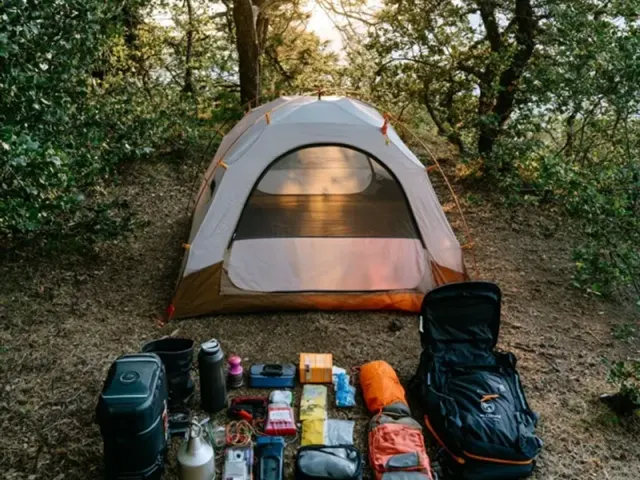
Tent Camping Essentials for Women: Real Gear That Works
The first time I crawled into a tent that smelled of damp nylon and felt like a sauna, I knew something had to change. Tent camping shouldn’t mean sacrificing comfort or safety. Over the years, I’ve dialed in a system that works for women who want to enjoy the outdoors without the guesswork. Here’s what I’ve learned about the essentials that actually matter.

Start With the Shelter: Choosing Your Tent
A tent is your home away from home, so size and weather protection come first. For solo trips, a two-person tent gives you room for gear and moving around. For two people, a three-person tent avoids the “elbow wars.” Look for a tent with a full-coverage rainfly that extends to the ground. That extra inch of fabric keeps wind-driven rain from sneaking in under the fly. I always stake out the corners first, then the vestibule, and finally the guylines. This sequence creates a taut pitch that sheds rain and resists wind. A common mistake is leaving the fly loose—it flaps in the wind and lets moisture inside. Check your tent’s seam sealing before your trip; if the seams look bare, apply a seam sealer yourself.
Sleep System: Warmth Is Non-Negotiable
Cold ground steals heat fast. A sleeping pad with an R-value of at least 4.5 for shoulder-season camping is a game-changer. I use a closed-cell foam pad under an inflatable pad for extra insulation and puncture protection. Your sleeping bag should be rated 10°F lower than the coldest night you expect. For women, a mummy-style bag with a draft collar and a hood that cinches snugly prevents heat loss from your head and shoulders. If you sleep cold, add a fleece liner. One trick I swear by: warm a Nalgene bottle with boiling water, wrap it in a sock, and tuck it into the foot of your bag ten minutes before you climb in. Never bring a camp stove or lantern inside the tent—carbon monoxide is invisible and deadly.
Lighting and Power: See and Stay Connected
A headlamp is the single most useful light source for camping. I choose one with a red light mode—it preserves night vision and doesn’t blind your tentmate. Keep it in the same pocket every time so you can find it in the dark. A small lantern with a dimmable setting creates a cozy glow for reading or playing cards. For power, a 10,000 mAh power bank charges a phone twice and a headlamp once. I store it in a dry bag inside the tent to keep it dust-free. If you’re camping in rain, hang a small LED string light along the tent ridge for ambient light that doesn’t attract bugs.
Clothing Layers: Adapt to the Weather
The key to comfort is layering, not a single heavy coat. Start with a moisture-wicking base layer (merino wool or synthetic, never cotton). Add a mid-layer of fleece or lightweight down. Finish with a waterproof and windproof outer shell. For sleeping, have a dedicated dry set of base layers and thick wool socks. I always pack a buff or gaiter—it works as a hat, neck warmer, or eye mask. In hot weather, swap the mid-layer for a sun shirt and bring a wide-brimmed hat. Avoid cotton entirely; once wet, it stays wet and chills you fast.
Hygiene and Comfort: Small Things, Big Difference
A small toiletry bag with biodegradable soap, a quick-dry towel, hand sanitizer, and a menstrual cup or period underwear saves space and reduces waste. Baby wipes are a lifesaver for a quick refresh when water is scarce. For bathroom needs, a trowel lets you dig a cathole at least 200 feet from water sources, trails, and camp. Pack toilet paper in a zip bag and pack out all used wipes. A camp chair with a low seat back and a cup holder makes sitting around the fire comfortable. I prefer one that packs down to the size of a water bottle. For cooking, a single-burner isobutane stove and a small pot are enough for most meals. Always cook at least 15 feet from your tent and never leave a stove unattended.
Food Storage: Keep Critters Out
Store all food, trash, and scented items (including toothpaste and lip balm) in a bear canister or odor-proof bag. Hang it from a tree branch at least 10 feet off the ground and 4 feet from the trunk, or place it 100 feet downwind from your tent. In areas without bears, a simple dry bag works, but always follow local regulations. I learned the hard way that a raccoon can unzip a tent flap in seconds. Keep your cooking area separate from your sleeping area to avoid attracting animals.
Packing System: The “Three Zones” Method
To avoid digging through your entire pack at midnight, use a three-zone system. Zone one is your sleeping bag, pad, and pillow—these go in a compression sack at the bottom of your pack. Zone two is your clothing and hygiene items, packed in stuff sacks or dry bags. Zone three is your cooking gear and food, stored separately in a bear canister or bag. Inside the tent, use a hanging gear loft for glasses, phone, and headlamp. A small stuff sack becomes a “nightstand” for your water bottle and book. This system keeps everything organized and accessible, even in the dark.
Safety: The Non-Negotiable Basics
Before every trip, check the weather forecast and trail conditions. Pack a first-aid kit with blister care, antihistamines, and pain relievers. Know how to treat hypothermia and heat exhaustion. Always tell someone your itinerary and expected return time. If you’re camping alone, a whistle and a personal locator beacon add peace of mind. And never, ever use a camp stove, heater, or lantern inside your tent—the carbon monoxide risk is real and can be fatal.
Takeaway: A well-chosen tent, a warm sleep system, smart layering, and a simple organization method make tent camping comfortable and safe. Focus on the essentials that solve real problems, and you’ll spend less time fussing and more time enjoying the fire, the stars, and the quiet.
Frequently Asked Questions
What are the most important tent camping essentials for women?
The most important essentials are a properly sized and waterproof tent, a sleeping pad with a high R-value (3.5 or above for three-season use), a sleeping bag rated for the lowest expected temperature, a reliable headlamp, a camp chair, a first-aid kit, and a way to store food safely. Prioritize comfort and safety over extras.
How do I stay warm while tent camping as a woman?
Use a sleeping pad with an R-value of at least 4.5 for cold-weather camping. Layer your clothing: a moisture-wicking base layer, an insulating mid-layer (fleece or down), and a windproof outer layer. Wear a hat and dry socks to bed. Fill a Nalgene bottle with hot water, wrap it in a sock, and place it in your sleeping bag 10 minutes before you get in. Never use a camp stove or lantern inside the tent due to carbon monoxide risk.
What should I pack for hygiene when camping?
Pack a small toiletry bag with biodegradable soap, a quick-dry towel, hand sanitizer, a menstrual cup or period underwear (they save space and reduce waste), a trowel for digging catholes at least 200 feet from water sources, toilet paper in a zip bag, and baby wipes for a quick refresh. Follow Leave No Trace principles.
How do I organize gear inside a tent?
Use a hanging gear loft or mesh pockets for small items like glasses and phone. Keep a dedicated dry bag for clothes. Store food and scented items in a bear canister or odor-proof bag outside the tent, at least 100 feet from your sleeping area. Use a small bin or stuff sack as a nightstand for your headlamp, water bottle, and book. This prevents clutter and keeps essentials within reach.