Tent Camping Essentials Checklist: Gear I Actually Use
The first time I heard rain on a tent fly, I was lying on a thin foam pad, shivering because my sleeping bag was rated for summer only. That night taught me more about camping than any list ever could. A tent camping essentials checklist isn't just about what to bring—it's about bringing the right things and knowing how to use them. Whether you're new to tent camping or just want to refine your setup, this guide covers the gear and techniques that make a real difference.

Shelter and Ground Protection
Your tent is your home away from home, but it's only as good as what's under it. A footprint or ground tarp is non-negotiable. Here's the trick: cut your tarp so it's two inches smaller than your tent floor on every side. If it sticks out, rain runs off the fly, hits the tarp, and pools under your tent. That water seeps up through the floor. I learned this the hard way after a soggy night in a puddle.
When staking your tent, don't just push stakes straight down. Angle them at 45 degrees away from the tent. This gives the stake more holding power in wind and loose soil. Use the guy lines on your rainfly, even if it's not raining. They create tension that keeps the fly off the mesh, which prevents condensation buildup. Condensation is a silent enemy—it soaks your gear from the inside out.
For windy conditions, add extra stakes at every corner and use a taut-line hitch on the guy lines. If you're on sand or snow, use deadman anchors: bury a stuff sack filled with sand or snow, tie your line to it, and cover it up. That holds better than any stake.
Sleep System: Beyond Just a Bag
A sleeping bag alone won't keep you warm if the ground sucks your body heat away. You need insulation underneath. An insulated sleeping pad with an R-value of at least 4.0 for three-season camping is my baseline. For cold weather, I stack a closed-cell foam pad under an inflatable pad. The foam pad adds warmth and acts as a puncture protector.
Your sleeping bag should be rated about 10 degrees lower than the lowest expected temperature. If it's going to be 40°F at night, bring a 30°F bag. And always store your bag loose in a large cotton sack when not in use—compressing it for weeks ruins the loft. A silk or fleece liner adds warmth and keeps the bag cleaner longer.
One hack I swear by: warm a Nalgene bottle with boiling water, wrap it in a sock, and tuck it into your sleeping bag 15 minutes before you climb in. That takes the chill off without any electronics. Just make sure the bottle is sealed tight.
Cooking and Food Storage
A camp stove is safer than an open fire for cooking, especially in dry conditions. Use a single-burner propane stove for simplicity, or a two-burner for group meals. Always cook outside your tent, at least 10 feet away. Carbon monoxide from stoves is odorless and deadly inside an enclosed space.
Store all food, toiletries, and scented items in a bear canister or a bear bag hung at least 10 feet up and 4 feet from the tree trunk. This isn't just for bear country—raccoons and mice are just as determined. I use a dry bag inside my canister to keep everything dry and organized.
For water, carry at least one gallon per person per day. A portable water filter or purification tablets are essential if you're near a stream or lake. Boiling water for one minute is also effective, but filter first to remove sediment.
Lighting and Power
A headlamp is more useful than a lantern because it frees your hands. Bring one per person, plus extra batteries. For tent lighting, a small LED lantern with a dimmer setting creates a cozy glow without blinding you. I hang mine from the tent's center loop using a carabiner.
Bring a portable power bank to recharge phones and GPS devices. Solar panels work well if you're out for several days, but they need direct sunlight. A 10,000 mAh bank usually lasts three days for basic charging. Keep electronics in a zip-top bag to protect from condensation.
Clothing and Comfort
Layering is key, not just for warmth but for adjusting to changing weather. Start with a moisture-wicking base layer—cotton is dangerous because it stays wet and chills you. Add a fleece or wool mid-layer, and a waterproof shell. Always bring a warm hat and gloves, even in summer. Mountain nights can drop 30 degrees from daytime highs.
For sleeping, wear clean, dry clothes. Change out of the day's sweaty layers before bed. A pair of camp socks (wool or synthetic) kept in your sleeping bag will feel like a luxury after a long hike.
First Aid and Safety
Your first-aid kit should include blister treatment, antiseptic wipes, bandages, pain relievers, and any personal medications. Add a small repair kit for gear: duct tape wrapped around a pencil, a needle and thread, and a spare tent pole splint. A multi-tool is worth its weight in ounces.
Know the signs of hypothermia: shivering, confusion, slurred speech. If someone gets wet and cold, get them into dry clothes and a warm sleeping bag immediately. Never use a camp stove inside the tent to warm up—that's how carbon monoxide poisoning happens.
Final Setup Sequence for a Stress-Free Trip
When you arrive, scout your site before you unpack. Look for high ground, natural windbreaks like trees or rocks, and soft, level soil. Clear the area of rocks and sticks. Lay your footprint, then pitch the tent with the door away from the prevailing wind. Stake the corners first, then the sides, and finally the guy lines. Adjust the rainfly so it's taut but not touching the mesh.
Unpack gear into designated zones: sleep area, cooking area (outside), and storage area. Keep the tent door clear for easy exit in case of emergencies. Before you leave, double-check that no food or scented items are left in the tent—wildlife will smell it and may damage your gear to get it.
A tent camping essentials checklist is only as good as the knowledge behind it. The gear matters, but the technique matters more. Pack smart, set up right, and the outdoors will feel like home.
Frequently Asked Questions
What is the single most overlooked tent camping essential?
A ground tarp or footprint that is slightly smaller than your tent floor. If it sticks out, rain pools under the tent and wicks moisture up through the floor. I cut mine to be two inches inside the tent edges on all sides.
How do I keep my tent dry inside during rain?
First, pitch your tent on high ground, not in a low spot. Second, use a rainfly that extends past the tent body by at least six inches on all sides. Third, never let the tent walls touch the inner mesh—use the fly's tensioners to keep an air gap. That gap prevents condensation and keeps you dry.
What is the best way to organize gear inside a tent?
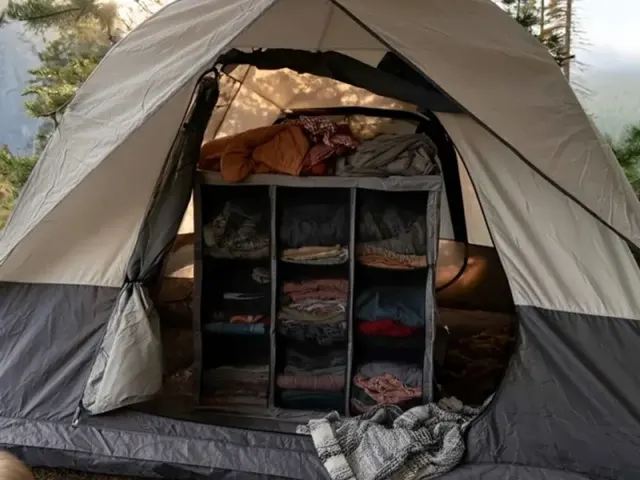
Use a hanging organizer or mesh pockets for small items like headlamps, phones, and glasses. Keep a dedicated 'wet zone' near the door for muddy boots and rain gear. I use a small plastic bin for cooking gear and another for clothes—this keeps everything off the ground and easy to find in the dark.