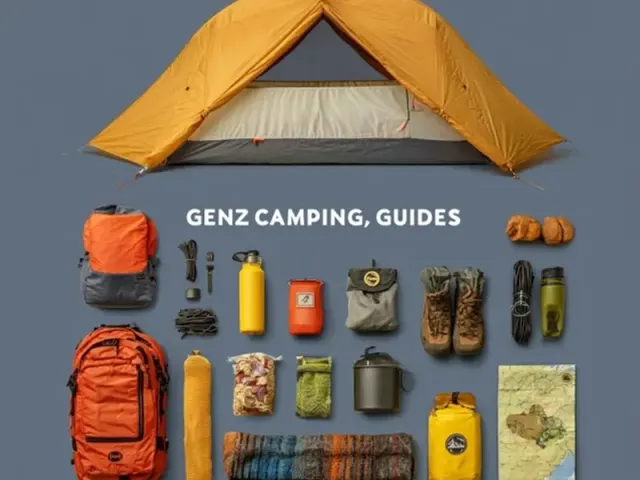
Tent Camping Essentials: 11 Items You Actually Need
Rain tapping on the fly. The earthy smell of nylon and pine needles. A well-pitched tent feels like coming home. But that feeling vanishes fast when you realize you forgot the one thing that makes camping comfortable.

I’ve spent enough nights in tents to know that most “essential” lists are padded with items you’ll never use. So here’s a lean, real-world list of tent camping essentials—the stuff that actually matters when you’re setting up in the dark, in the rain, or with tired kids.
1. A Tent Footprint That’s Cut Smaller Than Your Tent
This is the number one mistake I see. People buy a footprint that matches the tent floor exactly, or worse, is bigger. A footprint that extends beyond the tent edge catches rainwater and channels it right under your tent. You wake up in a puddle.
Cut your footprint two inches smaller than the tent floor on all sides. If you don’t have a custom one, use a sheet of polycro or Tyvek and trim it. The footprint protects the floor from punctures and keeps moisture out—but only if it’s the right size.
2. Stakes That Match the Ground
The stakes that come with most tents are fine for soft soil. They’re useless in sand, gravel, or hard-packed dirt. I carry three types:
- Lightweight aluminum V-stakes for general soil
- Longer, thicker stakes for loose sand or snow (I use 8-inch sand stakes)
- Heavy-duty titanium or steel hook stakes for rocky or hard ground
Drive each stake at a 45-degree angle away from the tent. That gives the best holding power. For windy sites, stake out every loop and guyline—don’t skip the ones you think are optional.
3. A Sleeping Pad With Actual Insulation
An air mattress without insulation is a cold trap. The ground saps your body heat all night. I use a closed-cell foam pad under an insulated inflatable pad. The foam adds warmth and protects the inflatable from punctures.
Look at the R-value: 1-2 for summer, 3-4 for three-season use, 5+ for cold weather. And always inflate the pad fully—a half-deflated pad lets your hips touch the cold ground.
4. A Headlamp With a Red Light Mode
Nothing ruins tent ambiance like a bright white light blasting everyone’s eyes. A headlamp with a red mode lets you see inside the tent without blinding your tentmates. It also preserves your night vision for midnight bathroom trips.
I keep my headlamp clipped to the tent’s ceiling loop so I can find it in the dark. Bonus: wrap a strip of reflective tape around the strap for easy locating.
5. A Dry Bag for Clothes and Electronics
Even in a waterproof tent, condensation builds up on the walls overnight. If your sleeping bag touches the wall, it wicks moisture. Same goes for your clothes bag. I use a lightweight 10-liter dry bag for my sleep clothes, phone, and power bank.
Keep the dry bag inside your sleeping bag at night—it keeps electronics warm (batteries drain faster when cold) and gives you a soft pillow.
6. A Small Microfiber Towel
Condensation is inevitable. A small microfiber towel (the size of a bandana) lets you wipe down the tent walls before packing up. This prevents mildew and keeps your tent dry for the next trip. It’s also handy for drying hands before you touch your sleeping bag.
7. A Guyline Kit With Reflective Cord
Most tents come with thin, non-reflective guylines. Replace them with reflective cord. You’ll thank yourself when you stumble out at 2 a.m. and don’t trip over a line.
I carry a 50-foot spool and pre-cut 6-foot lengths with a taut-line hitch tied at one end. That way I can add extra guylines if the wind picks up. The taut-line hitch lets you tighten the line without retying it.
8. A Small Repair Kit
A punctured sleeping pad or broken pole can ruin a trip. My repair kit fits in a sandwich bag:
- Tenacious Tape or gear repair patches
- A pole splint (a short section of aluminum tube or a tent pole repair sleeve)
- A needle and heavy thread
- Spare cord locks and a few feet of guyline
Test the patches at home first—some don’t stick well to certain fabrics.
9. A Ground-Level Windbreak
Wind under your tent fly can steal warmth fast. On exposed sites, I build a low windbreak using logs, rocks, or a rolled-up tarp placed along the windward side of the tent. Keep it at least two feet from the tent to avoid moisture wicking.
Safety note: never use a camp stove or lantern inside your tent. Carbon monoxide builds up quickly and is deadly. Always cook outside and well away from the tent.
10. A Simple Tent Organization System
Mess creates stress. I use three small mesh bags (the kind that come with some tents, or repurposed stuff sacks):
- One for headlamp, phone, and glasses (hangs from the ceiling)
- One for snacks and a water bottle (keeps food off the floor—important in bear country)
- One for toiletries and a change of socks
This keeps everything off the floor and easy to find. For food storage, always follow local wildlife regulations. In bear country, store all food, toiletries, and trash in a bear canister or bear bag at least 100 feet from your tent.
11. A Set of Spare Batteries or a Power Bank
Cold drains batteries fast. A power bank (10,000 mAh is plenty for a weekend) keeps your phone charged for maps and emergencies. Keep it in your sleeping bag at night to preserve its charge. And bring spare AAA batteries for your headlamp.
One more thing: practice setting up your tent at home before you go. Do it in your backyard or living room. That way, when you arrive at a dark, rainy campsite, you’re not fumbling with unfamiliar clips and poles.
Takeaway
You don’t need a truckload of gear to camp comfortably. Focus on the essentials that handle weather, protect your sleep system, and keep your gear dry. A well-chosen set of items—used correctly—makes tent camping a joy instead of a chore.
Now go stake out your spot. And cut that footprint smaller.
Frequently Asked Questions
What is the single most overlooked tent camping essential?
A ground cloth or footprint that is cut slightly smaller than your tent floor. Many people use one that is too large, which collects rainwater and channels it under the tent. Cut it two inches smaller than the tent on all sides.
Do I really need a sleeping pad, or can I just use blankets?
A sleeping pad is essential for both comfort and warmth. The ground conducts heat away from your body rapidly. Even a closed-cell foam pad provides insulation and a barrier from cold, uneven ground. Air mattresses without insulation can leave you cold.
How do I keep gear dry inside a tent when it rains?
Use a dry bag or a dedicated waterproof stuff sack for clothes and electronics. Keep a small microfiber towel inside to wipe condensation off the tent walls. Never store gear against the tent wall—it will wick moisture through.
What should I do if I forget a tent stake?
You can use a heavy rock, a thick stick, or even a carabiner clipped to the guyline and weighted with a rock. But for windy conditions, nothing beats a proper stake driven at a 45-degree angle.
Is a tent footprint necessary if my tent floor is already waterproof?
Yes. A footprint protects the tent floor from abrasion from rocks, sticks, and dirt. It also keeps the bottom clean and dry. Without one, tiny punctures can develop over time, especially on gravel or pine needle-covered ground.