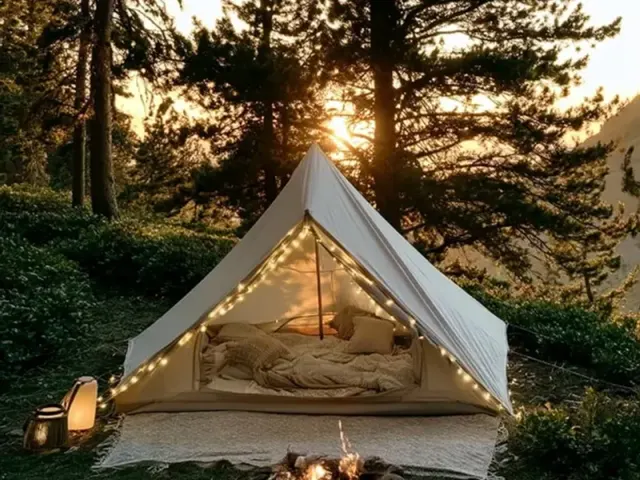
Tent Camping Aesthetic Quotes for a Cozy Setup
There's a particular stillness that settles over a tent just after dusk. The light fades to a deep blue, and the first stars prick through the canopy. Inside, the soft glow of a lantern casts long shadows on the nylon walls. It's in these quiet moments that a well-pitched tent feels less like a shelter and more like a small, intentional home. A tent camping aesthetic isn't about perfection—it's about creating a space that feels good to be in, where every item has a purpose and a place.

Setting the Scene: The Foundation of an Aesthetic Tent
Before you even think about quotes or decor, the tent itself needs to be pitched with care. A sagging tent with uneven tension wrinkles the fabric and creates a sloppy look. More importantly, a poorly pitched tent can flap in the wind or collect water on the roof. I always stake the corners first, pulling each one taut at a 45-degree angle from the tent body. Then I adjust the guylines—not too tight, but with enough tension to keep the fly smooth. A taut, symmetrical tent instantly looks more polished and performs better in rain or wind.
For a cohesive aesthetic, choose a tent color that blends with the environment. Earth tones—olive, tan, slate gray—tend to look more natural than bright oranges or blues. If your tent is a bright color, you can still create a calm interior by using a darker fly or adding a lightweight inner liner. The goal is to reduce visual noise inside the tent so the focus stays on the experience, not the gear.
Lighting: The Quickest Way to Transform Your Tent
Lighting is the single most impactful element for tent camping aesthetic quotes or any cozy setup. A single bright lantern creates harsh shadows and feels like a hospital waiting room. Instead, use multiple low-level light sources. I bring two small battery-powered string lights (about 10 feet each) and drape them along the tent ceiling ridge. They weigh almost nothing and can be hung with tiny carabiners or adhesive hooks designed for tents.
Place a warm-toned lantern on a low gear table or directly on the tent floor near the entrance. Avoid hanging anything directly above your sleeping area—it can cast odd shadows and be a tripping hazard in the dark. A common mistake is using lights that are too bright. Look for lights with a color temperature around 2700K to 3000K, which mimics candlelight. Dimmer switches or multiple brightness settings let you adjust for reading or winding down.
Bringing in Quotes Without Clutter
Quotes can add a personal touch, but they need to be practical for outdoor conditions. I print short quotes—one or two lines—on waterproof paper using a laser printer. Then I slide them into a small plastic sleeve or laminate them. I clip the sleeve to a gear loop near the tent door or prop it on a small easel made from a folded map. The quote becomes a subtle accent, not a focal point.
Choose quotes that resonate with the camping experience—lines about stillness, simplicity, or the night sky. Avoid long passages that are hard to read in low light. A favorite of mine is a single line about “finding home in a patch of earth.” It’s short, meaningful, and fits on a 3x5 card. If you don’t want to bring paper, you can write a quote on a small chalkboard or use a dry-erase marker on a smooth stone. Just be sure to pack out everything you bring in.
Organizing for Function and Flow
An aesthetic tent is an organized tent. Gear strewn across the floor creates a chaotic feel and makes it hard to move around. I use mesh pockets on the tent walls for small items—headlamp, phone, glasses, a book. For larger gear, I use a single clear plastic bin (about 12x12x8 inches) that slides under the foot end of my sleeping pad. It keeps clothes and cooking gear contained and doubles as a seat.
Keep the center of the tent floor clear. That open space is for changing, stretching, or sitting cross-legged. If you’re camping with children, designate a “quiet corner” with a small soft mat and a few toys. This prevents the tent from becoming a jumble of loose items. A tidy tent not only looks better but also reduces the chance of losing something important in the dark.
Weather and Terrain Adaptations
An aesthetic setup needs to hold up in real conditions. In windy weather, secure all loose items inside the tent before you zip up. A gust can knock over a lantern or scatter paper quotes. Use stakes with reflective tabs on guylines so you can see them at night without a headlamp. In rain, keep a small towel near the door to wipe down wet gear before bringing it inside. Wet fabric against the tent wall can lead to condensation and a damp interior.
On hot nights, open the tent vents and use a mesh inner tent to allow airflow while keeping bugs out. A stuff sack filled with air can serve as a breathable pillow. In cold weather, add a closed-cell foam pad under your sleeping pad for insulation. A thin fleece blanket over the sleeping bag adds warmth and a layer of texture. Always check local weather before you go, and adjust your setup accordingly. A beautiful tent is one that keeps you comfortable and safe.
Safety Notes for a Cozy Setup
Never use a camp stove, heater, or fuel-burning lantern inside a tent. Carbon monoxide is odorless and can be fatal. Keep all flames—including candles—outside and away from tent fabric. Use only battery-powered lights inside. Store food in a bear-proof container or hang it from a tree at least 100 feet from your tent, following local regulations. A clean campsite is not only more aesthetic but also safer for wildlife and yourself.
A Final Thought
The best tent camping aesthetic quotes are the ones that remind you why you came outside. The quotes you bring are just prompts—the real story is the quiet morning coffee, the sound of rain on the fly, the smell of pine after a shower. Focus on creating a space that supports those moments, and the aesthetic will follow naturally. Keep it simple, keep it safe, and let the outdoors do the rest.
Frequently Asked Questions
What makes a tent camping setup look aesthetic?
Aesthetic tent camping focuses on intentional arrangement and soft lighting. Use string lights or a warm lantern, keep gear organized in clear bins or mesh pockets, and choose neutral or earthy-toned bedding and rugs. A tidy, minimal layout with a few personal touches—like a small plant or a favorite book—creates a cozy, photo-worthy space.
Can I use quotes as part of my tent decor?
Yes, but keep it practical. Print a short quote on waterproof paper or write it on a small chalkboard sign and place it near your tent entrance or on a gear table. It adds personality without clutter. Avoid paper that can get damp or blow away—laminate or use a plastic sleeve.
How do I make a tent feel cozy without adding weight?
Focus on lightweight, multi-use items. A compact string light (battery-powered) adds warmth. A thin, foldable foam mat under your sleeping pad adds insulation and a finished look. Use a stuff sack as a pillow cover. Choose a tent with a dark interior or add a lightweight liner to block light and retain heat.
What are common mistakes when trying to make a tent look aesthetic?
Overcrowding is the biggest mistake. Too many items make the tent feel cramped and messy. Another is using heavy or bulky decor that takes up pack space. Also, neglecting weatherproofing—wind can knock over lightweight decor, and rain can ruin paper or fabric items. Secure everything and keep it minimal.