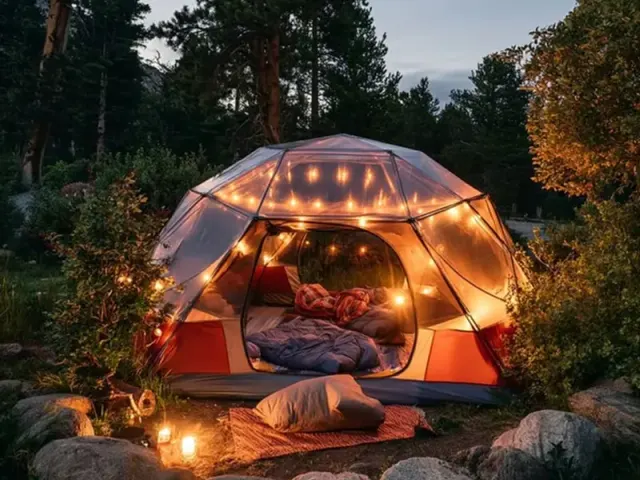
Tent Camping Aesthetic Night: Create a Warm Glow After Dark
The last zipper pulls closed, and the world outside goes quiet. Inside your tent, the fabric walls glow softly—amber, golden, warm. This is the tent camping aesthetic night. It is not about perfection. It is about creating a space that feels good to be in after the sun drops behind the trees. A space that invites you to sit up, read a page, sip something warm, and breathe.

I have spent many nights dialing in the balance between functional and beautiful. The goal is a setup that works for real camping—not a photoshoot that collapses at the first gust of wind. Here is how to build an aesthetic night camp that is safe, simple, and genuinely cozy.
Start With the Right Light Source
Light is the backbone of any nighttime aesthetic. But not all light is equal. The common mistake is using a single, bare-bulb lantern right in the middle of the tent. That creates harsh shadows and a glare that makes everyone squint. Instead, aim for diffused, layered light.
I use a dimmable LED lantern rated for at least 200 lumens, set to its warmest color temperature (around 2700K). Place it on a flat gear bin or a small camp table near the tent door, not on the sleeping pad. This keeps the light source off the ground and spreads the glow evenly. For extra softness, drape a thin bandana or a white cotton sock over the lantern—instant diffuser. Just make sure the fabric does not cover any vents or touch a hot bulb (LEDs stay cool, but check the manual).
The String Light Trick
String lights get a lot of hype, and for good reason. But hanging them wrong turns your tent into a tangled mess. Use a strand of 10 to 20 warm white LED fairy lights on a thin copper wire. Attach them to the tent poles with small binder clips—the kind you find at an office supply store. Clip the lights along the ridge pole, letting them droop slightly in a gentle curve. This creates a ceiling of soft light without pulling on the tent fabric.
Never use tape, pins, or staples. They can puncture the rainfly or create stress points that leak in rain. Also, keep the battery pack outside the tent in a dry bag if there is any chance of moisture. Condensation inside a tent can ruin electronics.
Layer Your Lighting Zones
One light source is never enough. You need three zones: ambient, task, and accent. Ambient light is the main glow—your diffused lantern or string lights. Task light is for reading, cooking inside the vestibule, or finding gear. Use a headlamp with a red light mode. Red light preserves night vision and does not attract bugs. Hang it from a loop at the tent peak for hands-free reading.
Accent light is the secret to the aesthetic. Place a small, flickering LED candle on a stable surface—a flat rock or a camp stool—just outside the tent door. This creates a welcoming glow that extends the cozy feeling beyond the tent walls. Make sure it is battery-operated and rated for outdoor use. Real candles are never safe inside a tent or near synthetic fabrics.
Cozy Layers for Warmth and Texture
An aesthetic night camp is not just about light. Texture matters. A fleece blanket draped over the foot of your sleeping bag adds visual warmth. A wool beanie or a flannel shirt hung from a gear loop gives the space a lived-in feel. But keep it functional. Every extra item must earn its place in your pack.
I use a closed-cell foam mat under my sleeping pad. It adds insulation and creates a clean, flat surface that looks tidy. On cold nights, I lay a microfiber towel over the mat to catch condensation and add a soft layer underfoot. The towel doubles as a drying cloth for wet gear. Multipurpose items keep the aesthetic clean without clutter.
Manage the Mess
Nothing kills the vibe faster than gear scattered everywhere. Use a small stuff sack for shoes and a mesh bag for dirty clothes. Keep these near the door, not in the sleeping area. A clear plastic bin (the size of a shoebox) holds your evening essentials: headlamp, book, water bottle, snacks. Stack it in a corner. This keeps the tent floor clear and the glow uninterrupted.
I also hang a small gear loft from the tent ceiling. It holds glasses, a phone, and a pocket knife within reach. No digging around in the dark. The loft keeps the sleeping pad free of hard objects that can puncture it.
Weather and Site Considerations
Wind is the enemy of an aesthetic night setup. A gust can knock over a lantern or blow out a candle (even an LED one can roll). Always stake down your tent properly—corner stakes first, then the vestibule. Use the gustbuster knot: a taut-line hitch on the guylines. It holds firm in wind but releases easily.
If rain is forecast, keep all electronics and battery packs off the tent floor. Condensation will form on the fly and drip. I place a small waterproof mat (a cut piece of Tyvek or a cheap shower curtain liner) under the sleeping pad. It keeps moisture away from gear and reflects a bit of light for a softer glow.
For cold nights, the aesthetic is about warmth. Layer your sleeping bag with a quilt or a liner. A hot water bottle in a wool sock at the foot of the bag adds heat and looks charming in photos. Just make sure the bottle is sealed tight and wrapped to prevent burns.
Safety First, Always
An aesthetic night camp is only beautiful if it is safe. Never use propane stoves, heaters, or any fuel-burning device inside a tent. Carbon monoxide is odorless and deadly. Cook outside, and store food in a bear-proof canister or a hanging bag at least 100 feet from your tent. The glow of your lights may attract animals, so keep all scented items sealed.
Check your local fire regulations before using any campfire. Fully extinguish fires with water and dirt, stirring until cool to the touch. A glowing ember can reignite hours later.
Takeaway
Building a tent camping aesthetic night is about intention, not stuff. Choose warm, diffused light. Layer your sources for function and mood. Keep the tent tidy and every item purposeful. Adapt to the weather with proper staking and moisture management. The result is a space that feels like a small, safe sanctuary—a place to rest, read, and watch the shadows flicker against the fabric walls. That is the real glow of a night well spent outdoors.
Frequently Asked Questions
What is the best type of light for a tent camping aesthetic night?
Warm white LED string lights or a dimmable lantern with a diffuser work best. They create a soft, golden glow without harsh shadows. Avoid cool white lights—they feel sterile. Use a red light mode on a headlamp for inside the tent to preserve night vision and keep the mood cozy.
How do I set up lights in a tent without damaging the fabric?
Use small binder clips or magnetic hooks (on metal poles only) to attach lights to the tent ceiling or poles. Never use tape, pins, or staples—they can tear the fabric or create leaks. Run the lights along the ridge pole for even distribution. Keep all cords away from the sleeping area to prevent tripping.
Can I use candles inside a tent for ambiance?
No. Open flames inside a tent are a serious fire hazard and create carbon monoxide risk. Use battery-operated LED candles with flickering flames instead. They look realistic and are completely safe. Place them on a flat, stable surface away from sleeping bags and gear.
What colors work best for tent camping aesthetic night?
Stick to warm whites, amber, or soft gold. These colors mimic firelight and feel natural. Avoid bright blue, green, or red lights inside—they can feel harsh and disrupt sleep. For a pop of color, use a single colored lantern outside the tent, like a warm orange or deep purple.