Tent Camping Aesthetic Caption: 5 Photo-Worthy Setup Tricks
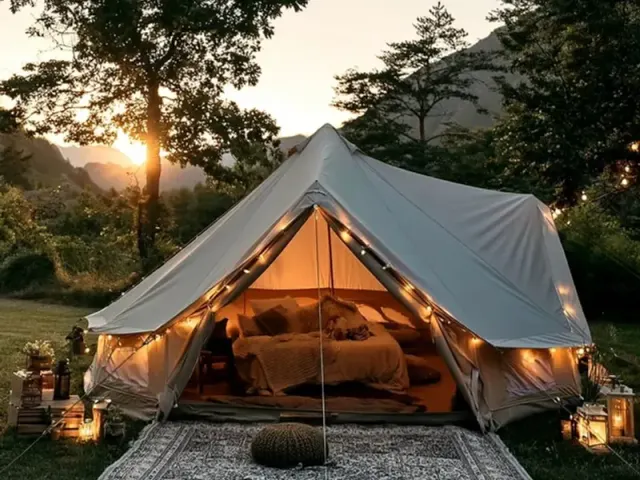
The first thing I notice in a tent camping photo isn't the tent itself. It's the light. A soft, warm glow that makes the nylon walls feel like a cocoon. That's the difference between a snapshot and a photo you actually want to caption. You don't need fancy gear or a professional camera. You just need a few intentional setup choices. Here's how I approach it—no filter required.

Start with the Tent Setup, Not the Caption
Before you even think about a caption, look at your tent. Is it pitched cleanly? A sagging rainfly or crooked poles will distract in every photo. I always stake the corners first, pulling each stake at a 45-degree angle away from the tent. Then I tighten the rainfly so it's drum-taut—no wrinkles, no flapping. This isn't just for photos; a properly pitched tent sheds wind and rain better. Common mistake: staking the rainfly too loose. That creates a saggy look and lets water pool on top. After staking, check the interior. I fold my sleeping bag flat on the sleeping pad, not stuffed into a ball. I tuck extra clothes into a stuff sack and put it in a corner. Clutter kills the aesthetic faster than bad lighting.
Lighting: The Real Secret to an Aesthetic Caption
Lighting makes or breaks the mood. For interior shots, I use a single warm-toned lantern placed on a small stool or camp table at the foot of the sleeping pad. Avoid overhead tent lights—they cast harsh shadows on your face. Instead, set the lantern low and to the side. If you have string lights, drape them along the tent's center ridge, not around the edges. That creates a soft halo effect. For exterior shots, golden hour (about 30 minutes before sunset) is your best friend. Position the tent so the sun hits the side, not the front. That gives you warm, even light on the tent fabric. If it's overcast, that's fine—clouds act like a giant softbox. Just don't shoot in direct midday sun; it washes out colors and creates harsh shadows.
Styling the Scene Without Overdoing It
Less is more. I place one camp chair in front of the tent, angled slightly toward the entrance. A small camp table with a single mug or a book adds a human touch. But never stage food that you wouldn't actually eat there—it looks fake. If you have a dog, let them sit naturally nearby. If you're alone, prop your phone on a water bottle and use a timer for a self-timed shot. The goal is to show a real moment, not a catalog spread. One trick I use: leave the tent door half-open. That invites the viewer's eye inside and creates depth. Close the door completely and the photo feels flat.
Writing the Caption: Sensory and Specific
Now the caption itself. I avoid generic phrases like 'Nature is healing' or 'Find your peace.' Instead, I pick one sensory detail from the photo. For example: 'The sound of rain on the fly, tea cooling in my hands.' Or: 'Waking up to condensation on the mesh, but the coffee is hot.' Keep it under three lines for social media. If you're posting a photo of the tent interior, mention something tactile: the feel of the sleeping bag fabric, the weight of the sleeping pad. If it's an exterior shot, describe the light or the air temperature. A good caption makes the viewer feel like they're there. It doesn't need to be poetic—just honest.
What About Weather and Kids?
Weather changes everything. For rainy shots, I embrace the wet look. A rainfly with water beading on it can be beautiful if you shoot from a low angle. I wipe the lens with a microfiber cloth to avoid water spots. If it's windy, I stake the tent with extra guylines—four points minimum—and use reflective cord for safety. For cold weather, I use a thicker sleeping bag and a foam pad underneath for insulation. The photo might show a frosty tent interior, which has its own aesthetic. With kids, I keep the setup simple: a clean sleeping bag, a favorite stuffed animal, and a small lantern. Let them help with the photo—their genuine smile beats any staged pose.
Safety Note: Never Use Open Flames Inside a Tent
This is non-negotiable. No candles, no camp stoves, no propane heaters inside a tent. Carbon monoxide is invisible and deadly. For lighting, stick to battery-operated lanterns and LED string lights. If you want a candle-like glow, use a flameless LED candle. For exterior photos, keep campfires at least 10 feet from the tent. Always fully extinguish fires before sleeping or leaving the site. Check local fire regulations before you light anything.
Final Takeaway
A tent camping aesthetic caption starts with the setup, not the words. Pitch the tent cleanly, light it warmly, and style it minimally. Then write a caption that captures one real sensation—the sound, the feel, the smell. That's what makes a photo worth sharing. No filter needed.
Frequently Asked Questions
What makes a tent camping photo look aesthetic?
Aesthetic tent photos rely on three things: soft, warm lighting (like string lights or a lantern on low), a clean tent interior (no clutter, sleeping bag laid flat), and a natural setting (avoiding man-made clutter in the frame). The caption should match the mood—short, sensory, and genuine, like 'Rain tapping the fly, tea in hand.'
How do I take good photos inside a tent?
Shoot during golden hour or use a warm-toned lantern placed off-camera. Avoid direct flash—it flattens shadows and makes the tent look harsh. Prop your phone on a water bottle or small tripod for stability. Keep the tent interior tidy: fold extra gear into a stuff sack and tuck it in a corner out of frame.
What should I caption a tent camping photo?
Write a caption that evokes a single sensory detail: the feel of the sleeping pad, the sound of wind against the fly, the smell of pine. Avoid generic phrases like 'Nature is healing.' Try: 'The zipper sound at 2 a.m. when you finally find the flashlight.' Or: 'Sleeping bag still warm from the dog.' Keep it under three lines for Instagram.