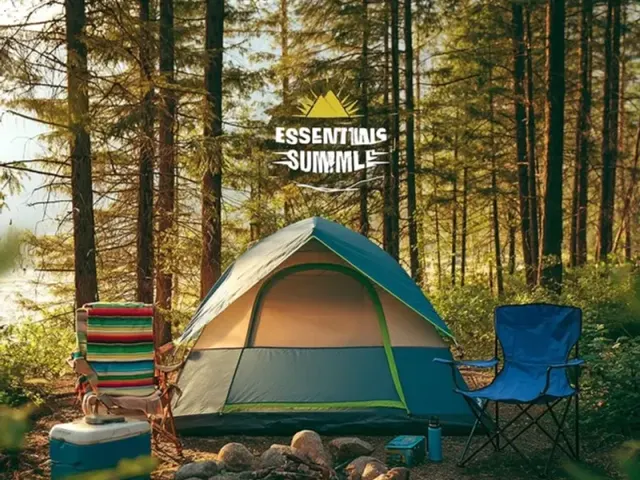
Summer Tent Camping Essentials: My Gear List & Tips
The first thing you notice when you unzip the tent on a July morning is the weight of the heat. It hits you like a wall, thick and damp, carrying the smell of pine needles and warm nylon. Summer camping is glorious, but it demands a different mindset than spring or fall. You aren't fighting cold — you're fighting sun, bugs, and your own sweat. Here's my summer tent camping essentials list, built from years of learning the hard way.

Water: More Than You Think
Bring at least one gallon per person per day. That sounds like a lot, but you'll drink it, cook with it, and use it to cool off. I pack two 1-gallon collapsible jugs and a reusable bottle with a built-in filter. For longer trips, a lightweight gravity water filter (like those that hang from a tree) saves weight and time. The common mistake: relying on a single bottle. On a hot afternoon, you'll be grateful for the extra.
The Tent: Ventilation Is Everything
Your tent should breathe. Look for a model with large mesh panels and a rainfly that can be staked out as an awning rather than fully closed. I always pitch my tent with the door facing the prevailing breeze — check the wind direction by looking at treetops or feeling the air on your cheek. Then I stake out the rainfly on the windward side to create a gap, letting air flow under it. That gap is crucial; closing the fly tight turns your tent into a greenhouse.
A Unique Cooling Trick
Here's something you won't see on most lists: take a reflective emergency blanket (the kind sold near camping stoves) and lay it over the rainfly, shiny side up, securing it with clothespins or guy lines. This reflects a surprising amount of solar radiation, dropping the inside temperature by several degrees. It looks a little silly, but on a scorching afternoon, you'll be the only one napping comfortably in your tent.
Sleep System: Light and Breathable
Swap your cold-weather sleeping bag for a lightweight quilt or a sheet sleeping bag liner. I use a 50°F (10°C) quilt and pair it with a sleeping pad that has a reflective layer underneath — that stops ground heat from seeping up. The mistake people make: using a thick, insulated pad. That traps body heat. A simple air pad with a low R-value (around 2) is better for summer.
Bug Protection: Layers, Not Just Spray
Mosquitoes are the bane of summer camping. I carry a head net (costs a couple dollars, weighs nothing) and a small bottle of picaridin-based repellent — it doesn't damage gear like DEET can. For the tent, I keep a small patch of duct tape handy to seal any tiny holes in the mesh. And I always zip the tent fully before turning on a headlamp; light attracts every insect within 50 feet.
Sun and Shade: Your Outdoor Living Room
A tarp and some paracord are non-negotiable. I set up a shade tarp over the picnic table and cooking area, using a taut-line hitch on the corners so I can adjust tension as the sun moves. The specific trick: angle the tarp so it blocks the afternoon sun (usually from the southwest) but lets in morning light. That keeps the site cool for dinner prep. A wide-brimmed hat and a long-sleeved, light-colored shirt also beat sunscreen for all-day wear.
Cooking: Keep It Simple and Cool
I avoid cooking over a fire during peak heat — it's miserable and attracts flies. Instead, I use a single-burner camp stove for quick meals like pasta or rice with pre-cooked protein pouches. Cold meals (tortillas with hummus, pre-washed salad greens, and canned beans) are even better. The safety note: never cook inside your tent. Carbon monoxide from a stove or lantern is invisible and deadly. Always cook outside, at least 10 feet from the tent entrance.
Navigation and Lighting
A headlamp with a red-light mode is essential. Red light doesn't attract bugs and preserves your night vision. I also carry a small, rechargeable lantern that hangs from the tent's ceiling loop — it creates a cozy glow and lets me read without blinding my tent mate. For navigation, bring a paper map of the area and a compass, even if you have a phone. Batteries die, and service is spotty.
Wildlife-Safe Food Storage
In summer, raccoons and bears are active. Store all food, trash, and scented items (toothpaste, sunscreen) in a bear canister or a bear-proof cooler at least 100 feet from your tent. Never store anything with a smell inside your tent — I've seen mice chew through a backpack for a single granola bar wrapper. Tie the canister to a tree if the site has no bear pole.
One Final Tip: The Cooler Strategy
Pack your cooler with two separate ice sources: a block of ice for the bottom (lasts longer) and loose ice on top for quick access. Drain melted water daily to keep food dry. And pre-chill everything — a warm can of soda warms the whole cooler. This simple step buys you an extra day of cold food.
Takeaway
Summer tent camping is about working with the heat, not against it. Focus on airflow, hydration, and shade. Skip the heavy gear. Add that reflective blanket trick. And always, always store food safely. The reward is a long, golden evening with a cool breeze through the mesh, the sound of crickets, and the satisfaction of a campsite that feels like home.
Frequently Asked Questions
What is the most important summer tent camping essential?
Water and a way to carry it. Dehydration hits fast in heat. Bring at least one gallon per person per day, plus a reusable bottle and a lightweight water filter or purification tablets for refills from natural sources.
Do I need a special tent for summer camping?
Not necessarily, but you want a tent with good mesh panels for airflow. A double-wall tent with a rainfly that can be staked out as an awning (not fully closed) helps a lot. Avoid dark-colored tents that absorb heat.
How do I keep my tent cool in summer?
Pitch in the shade if possible. Use a reflective emergency blanket under the rainfly (shiny side up) to deflect heat. Open all vents and mesh windows. A battery-powered clip-on fan inside the tent makes a huge difference.
What should I pack for summer tent camping with kids?
Extra water, electrolyte packets, sun hats, high-SPF sunscreen, and a light-colored pop-up shade tent. Also bring a small misting bottle and cooling towels. Keep meals simple to avoid cooking in peak heat.
How do I keep food safe from wildlife in summer?
Store all food, trash, and scented items in a bear canister or a bear-proof cooler at least 100 feet from your tent. Never leave food inside the tent. In summer, ants and raccoons are active even where bears aren't a concern.