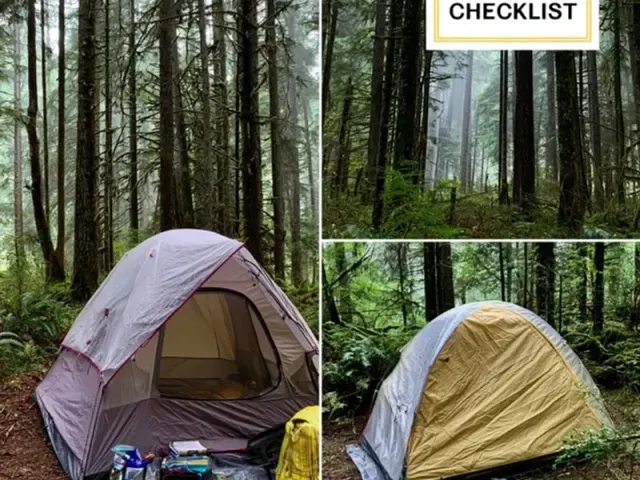
Primitive Tent Camping Checklist: Pack Light, Stay Safe
The first time I tried primitive tent camping, I packed like I was moving into a studio apartment. By the second night, I was eating cold beans from the can because my stove fuel ran out—and I’d forgotten a spoon. That trip taught me one thing: primitive camping isn’t about bringing everything. It’s about bringing the right things, and knowing how to use them.

Primitive tent camping means no electric hookups, no water spigots, no picnic tables. Just you, your gear, and the land. This checklist is built from hard-won experience—the kind that comes from packing too much and then too little, from shivering through a windy night and from waking up to a tent flooded by unexpected rain. I’ll give you the specific method I use to pack for a 3-day trip, plus the one trick that saves me every time.
The Shelter System: Your Home Away from Home
Your tent is your lifeline. But for primitive camping, lighter is better. I use a 2-person, 3-season tent that weighs under 4 pounds. But the tent itself isn’t enough. Here’s the setup sequence I use to avoid a saggy, leaky mess:
1. The Ground Sheet
Cut a piece of polycryo or Tyvek to exactly the footprint of your tent floor—no bigger. If it sticks out, rain will pool under it and soak your tent. I stake the ground sheet first, then pitch the tent on top.
2. Staking Order
Start with the corners. Stake one corner, then the opposite corner, pulling the tent body taut. Then stake the remaining two corners. This prevents the fabric from bunching. For windy conditions, use all 6-8 stakes and add guylines. I always pack 4 extra stakes and 20 feet of reflective guyline—they weigh almost nothing.
3. The Rain Fly
In dry weather, I pitch the fly loose for ventilation. If rain is forecast, I pull it tight and stake the fly’s corners separately. The common mistake? Not leaving a gap between fly and tent body. That gap lets moisture wick away instead of condensing on your sleeping bag.
Sleep System: Warmth Without Weight
Your sleeping bag is only part of the equation. The ground sucks heat from your body faster than air. I use an insulated sleeping pad with an R-value of 4.5 for 3-season camping. For cold nights, I add a closed-cell foam pad underneath—it adds 0.5 R-value and protects against punctures.
My specific trick: inflate your pad to about 80% firmness. Too firm and you’ll roll off; too soft and you’ll feel every root. Test it at home before you go.
For the bag, I choose a 20°F down quilt instead of a mummy bag. It saves weight and lets me sleep on my side. But if you’re a cold sleeper, a mummy bag with a draft collar is better. Always store your bag loose in a large stuff sack—never compressed long-term.
Water and Hydration: The Critical System
You cannot carry enough water for three days. You must treat what you find. I use a lightweight pump filter (about 8 ounces) for lakes and streams, and iodine tablets as backup. The method: filter water into a clean 2-liter bladder, then treat with a single tablet if I’m unsure about viruses. Wait 30 minutes before drinking.
Common mistake: filtering from a stagnant pool. Always collect water from moving streams or clear lakes. If you must use still water, let it settle for an hour, then filter through a bandana first.
I carry two 1-liter bottles—one for drinking, one for cooking. At camp, I fill both and keep one in my tent for nighttime thirst.
Food and Cooking: Simple, Hot, Safe
Primitive camping means no refrigeration. I plan meals that don’t need cold storage. My go-to: instant oatmeal, peanut butter tortillas, dehydrated meals, and trail mix. For cooking, I use a 1-liter titanium pot with a canister stove. The trick: bring a small plastic lid for the pot—it cuts boil time by 20% and saves fuel.
Safety note: never cook inside your tent. Carbon monoxide from a stove can kill you. Cook 50 feet downwind of your tent. Store all food and scented items (toothpaste, deodorant) in a bear canister or a bear bag hung 10 feet off the ground and 4 feet from a tree trunk.
My unique tip: pack a small piece of aluminum foil (folded flat) for a windscreen. It saves fuel on breezy days. Just don’t block the stove’s ventilation.
Tools and Navigation: Know Before You Go
I never rely on my phone alone. Batteries die, screens crack. I carry a paper map in a waterproof case and a baseplate compass. I practice using them at home before each trip. The method: orient the map to north using the compass, then identify your start point and destination. Check your bearing every hour.
My essential tool kit: a multi-tool with pliers, a small folding saw (for deadfall only—never cut live trees), and a headlamp with fresh batteries. I pack a second headlamp for backup—it weighs 2 ounces.
For fire: bring a ferro rod and a mini Bic lighter. Practice starting a fire in wet conditions at home. I pack a few cotton balls coated in petroleum jelly in a pill bottle—they catch a spark even in rain.
Clothing and Layers: The System That Works
Primitive camping means you carry every layer. I follow the three-layer system: a merino wool base (wicks sweat), a fleece mid-layer (insulates), and a rain jacket (blocks wind and wet). I bring one extra pair of socks in a waterproof bag. Cotton is a mistake—it stays wet and chills you.
My trick for wet weather: bring a lightweight pack cover and a dry bag for your sleeping bag. Even if your tent leaks, your sleep system stays dry.
For sun protection: a wide-brim hat and long-sleeve sun shirt. Sunburn at altitude is brutal.
The One Trick That Changes Everything
Here’s the specific tip I’ve never seen elsewhere: before you pack, lay everything on a tarp and photograph it. Then, when you unpack at camp, you’ll know exactly where each item goes. This saves 30 minutes of frantic searching. I also pack a small zippered pouch with repair items: a needle and thread, a patch kit for the pad, and duct tape wrapped around a pencil.
Primitive tent camping is about freedom—the freedom to sleep under stars without the hum of a generator. But that freedom only feels good when you’re warm, fed, and safe. Use this checklist as your starting point, then adjust for your terrain, weather, and trip length. The goal isn’t perfection—it’s being prepared enough to enjoy the quiet.
Takeaway: Pack light, but pack smart. Test every piece of gear before you go. And always leave your campsite cleaner than you found it. That’s the real art of primitive tent camping.
Frequently Asked Questions
What is primitive tent camping?
Primitive tent camping means camping without modern amenities like running water, electricity, or designated campsites with hookups. You carry everything you need and set up in natural, undeveloped areas.
How do I stay safe while primitive camping?
Always tell someone your itinerary and expected return. Check weather and fire danger before you go. Store food in a bear canister or hang it properly away from camp. Keep a first aid kit and know basic wilderness first aid.
What are the absolute essentials for primitive camping?
Shelter (tent, stakes, guylines), sleep system (pad, bag, or quilt), water (filter or purification tablets), food (no-cook or simple cook), a stove and fuel, a headlamp, a first aid kit, a map and compass, and a fire starter.